Professional Subscribers can watch their short film JUGGERNAUT, which appears on T-Port courtesy of our partners at AG Kurzfilm.
Hi NEOZOON! Would you firstly Introduce yourself in a few lines?
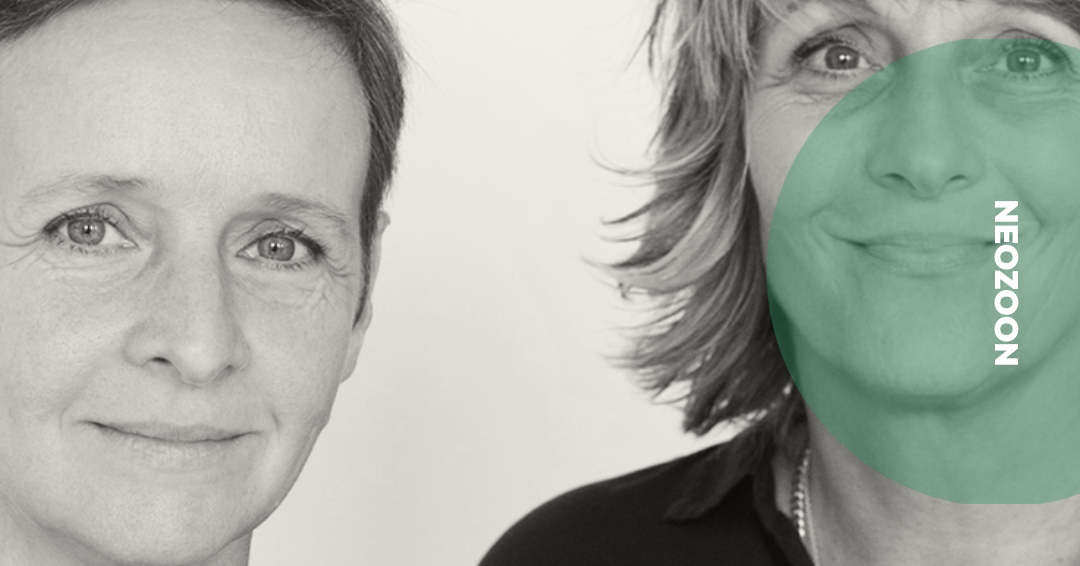
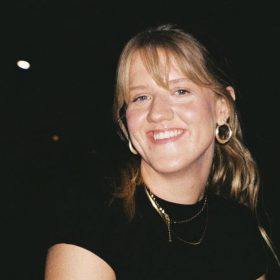
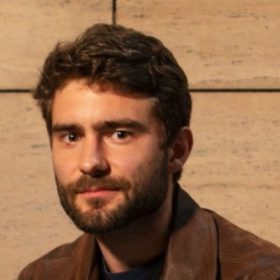
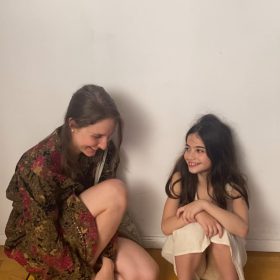
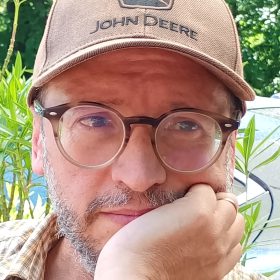
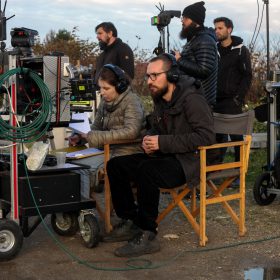
We are a German artist duo who have been working together since 2009 and making films together since 2010. Our experimental found-footage practice has produced 5 multi-channel video installations and 14 short films to date. We are currently at work on our first two feature-length found-footage films.
Why did you choose film as your medium? Is it your only artistic outlet or do you have others?
We love working with found material. Collage is our means of expression. We’re also interested in examining the human species, and archival material lends itself wonderfully to that, which is why film works so well for us. But we also work in other forms, such as still-image collages and installations.
Do you have a philosophy behind your filmmaking?
Our philosophy is to expose and question human behavior through our collage technique — always with humor.
If you could watch one film on a loop forever, what would it be?
I, Michaela, would prefer not to watch a film loop endlessly myself. I’d rather sit out in nature instead 😉
Tell us about your film that’s on T-Port. What is it about? How did you choose to tell its story?
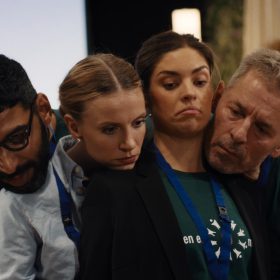
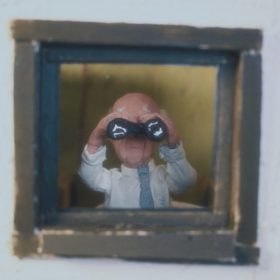
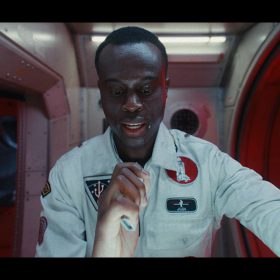
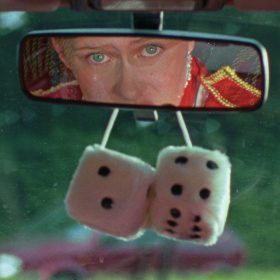
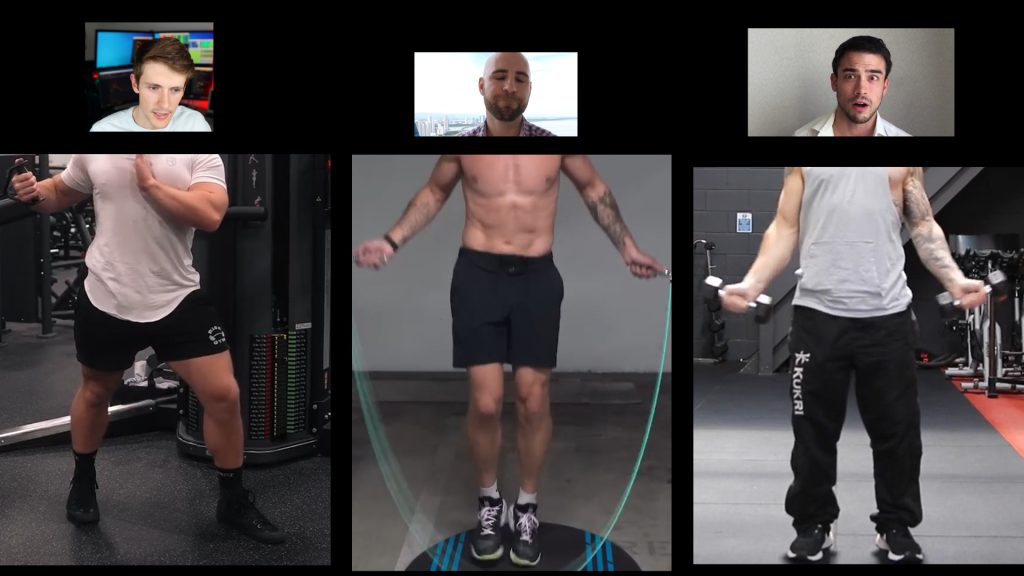
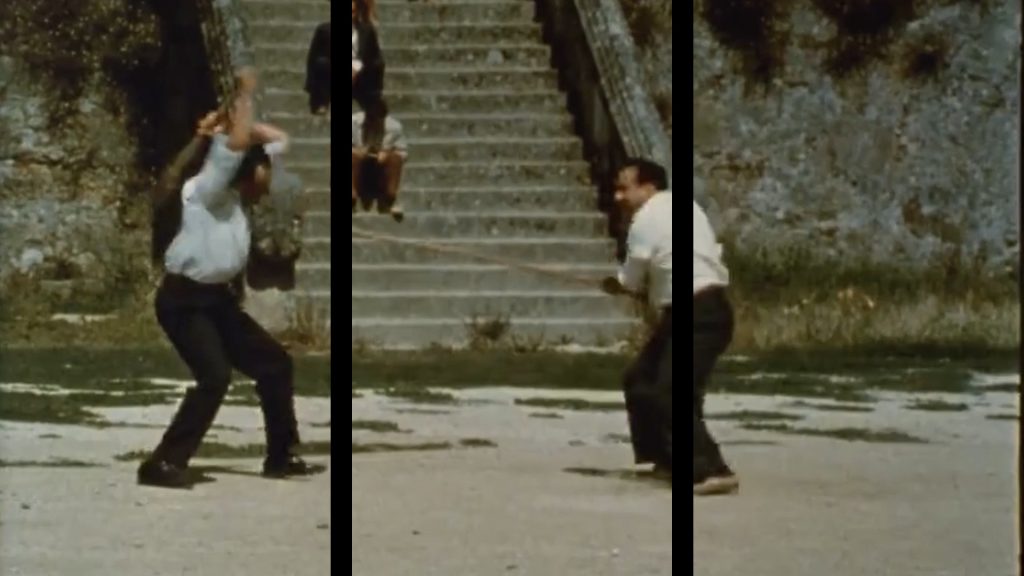
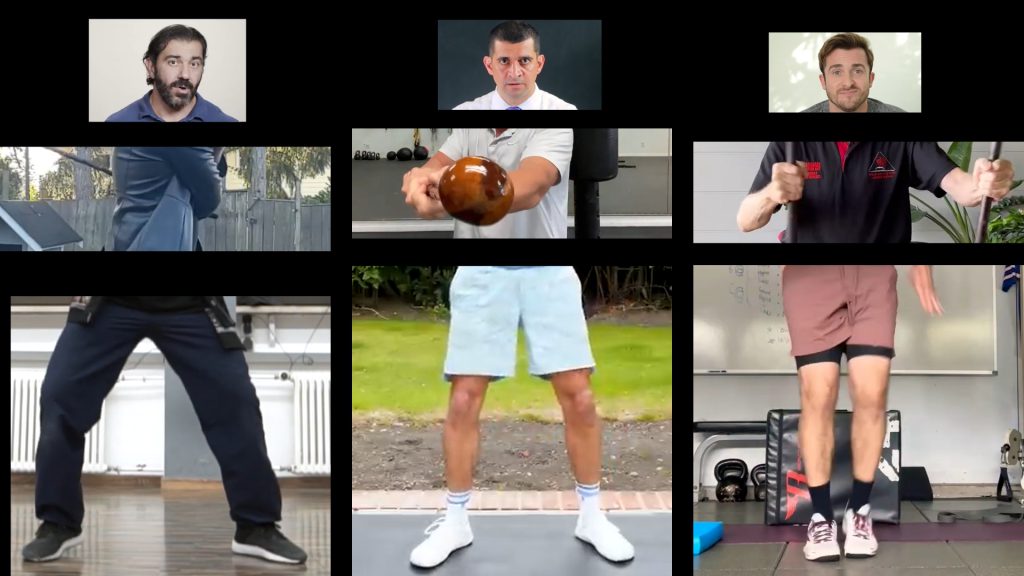
JUGGERNAUT looks at competitive, patriarchal behavior in our society. The relentless drive to always be “the best.” We built it entirely from found footage: 1950s documentaries praising capitalism, spliced together with a flood of YouTube videos where men reveal their secrets to getting rich. We chose collage as our storytelling method because it lets us hold up society’s own material and question it from within. Always with humor, rather than lecturing from the outside.
Tell us about the production process on that film, what did you learn? Which parts did you enjoy?
We always start by researching and collecting extensively around a topic, and then comes the difficult but also very rewarding process of working the found-footage film material like a piece of clay. Extracting the right fragments from existing footage and bringing them into combination with other film material to allow an unfamiliar perspective on things. That’s our work. And surprising moments in this recombination keep arising for us along the way, too.
What challenges have you encountered while embarking on your film project? How did you seek to overcome them?
The biggest challenge was committing to a specific formal language. It quickly became clear to us that we wanted to work with fragmented, assembled figures. Bringing these together with full-frame passages was definitely a major challenge.
How was it to collaborate with your cast and crew?
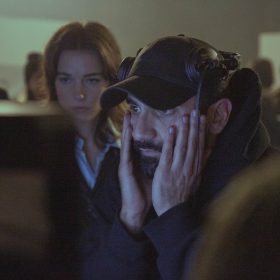
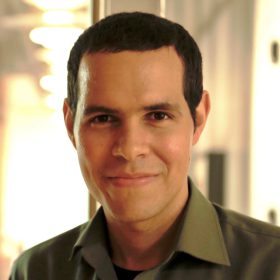
As with several previous projects, we worked together with our dramaturg Janina Herhoffer. She’s able to respond to our films very quickly and precisely — it’s always a wonderful collaboration with her. It’s also a lot of fun working with Dustin Iwen, our composer. For this project, we sent him small sound snippets that he then composed into an instrumental piece in a particular musical style and melody. We’re on the same wavelength, and he understands very quickly how a piece of music can work well for our film.
Can you share the most important lessons you learned through the process of making your film?
The lesson we carry through every film project is the need for staying power. Working as a duo helps enormously with this: there’s always one person not sitting in the edit who can look at the project with a more open perspective. And of course, it also means we can search for solutions together and go into the research together.
If you could go back in time to pre-production and give yourself one piece of advice, what would it be?
You should follow your first instincts much more often, and not let yourself get distracted.
If you’ve been filmmaking for a while – what have you learned about yourself if you look back on your body of work? Are there any surprises from your subconscious?
We started making films as career changers, coming to it from outside the field. Looking back, I think that’s sometimes why we don’t quite trust ourselves as much as we could. But the past has shown that our maybe unconventional approach can more than hold its own in the film business. That’s why we’re now finally taking on our first feature-length film projects.
How have you found working within the film industry where you are as now? What have you found to be the biggest challenges in building your career?
Coming from the art world, we’ve noticed that the short film world is very open and warm. It’s fun working with people and meeting colleagues at festivals. In the art world, in our opinion, there’s a much icier wind blowing.
Is there anything else you would like to mention?
Thank you for showing our films on your platform.