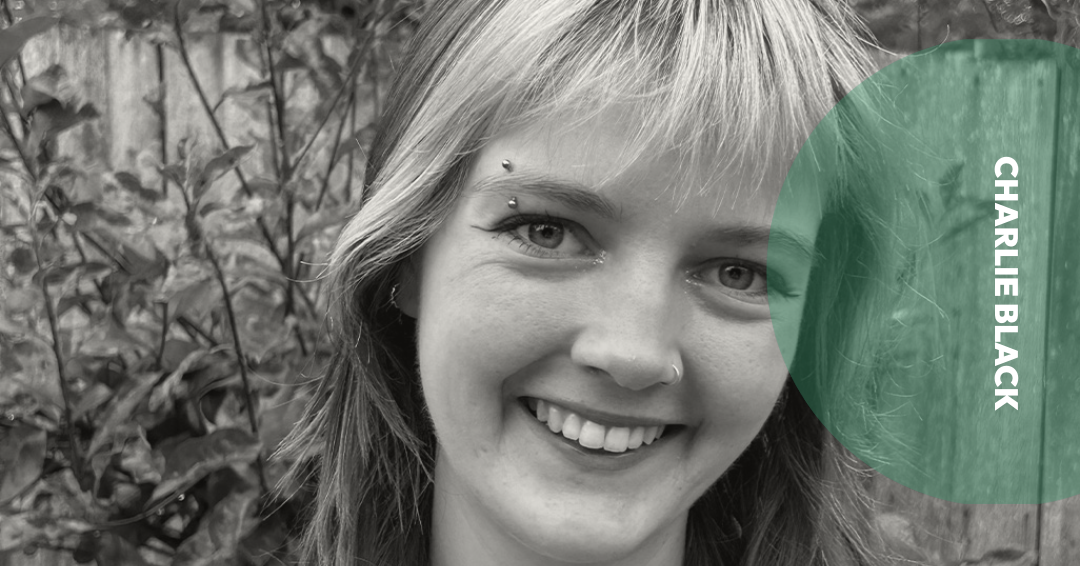
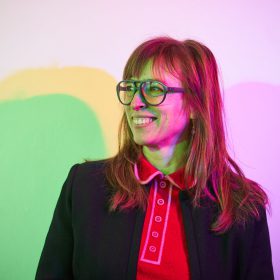
Meet moving image artist and designer Charlie Black (she/her), who recently completed her masters in creative film production with our partners Catalyst Institute for Creative Arts. Her experimental film LOSING TOUCH is available for Professional Subscribers to watch now.
We caught up with her to chat about her move from illustration to film, how writing a manifesto helped her find her voice, and the power of creativity to change the world.
Hi Charlie! Welcome to the T-Blog, could you please introduce yourself in a few lines?
I am a moving image artist and designer from the UK, currently based in Manchester. Having first studied Illustration with Animation at Manchester School of Art, I became enamored with the moving image and discovered film through an animatic perspective, blending alternative methods of recordings with video, such as printmaking or observational drawings. I have since completed my Master’s in Creative Film Production at Catalyst University, Berlin, and have produced & directed 7 short films alongside working on the animation and post production of other directors’ work.
Why did you choose film as your medium? Is it your only artistic outlet or do you have others?
My creative practice is expansive. With my background I continue to create and work as an illustrator and designer, with a particular focus on communications for social and ecological issues. I have also recently discovered puppet making from my involvement in the Herds Project by the Walk Productions. The moving image, however, remains my most important outlet. I love its ability to make an audience surrender themselves to an alternative perspective and lead them through a journey of emotions.
Working with time allows you to explore deeper, more complicated ideas than a single image, and I find it reflects the complexities of life. Also, there is no greater excitement than the magic of a few images coming together into a living creature. I can relate to Frankenstein’s obsessions.
Do you have a philosophy behind your filmmaking? Or do you feel like you belong to a particular artistic movement from the present day or past?
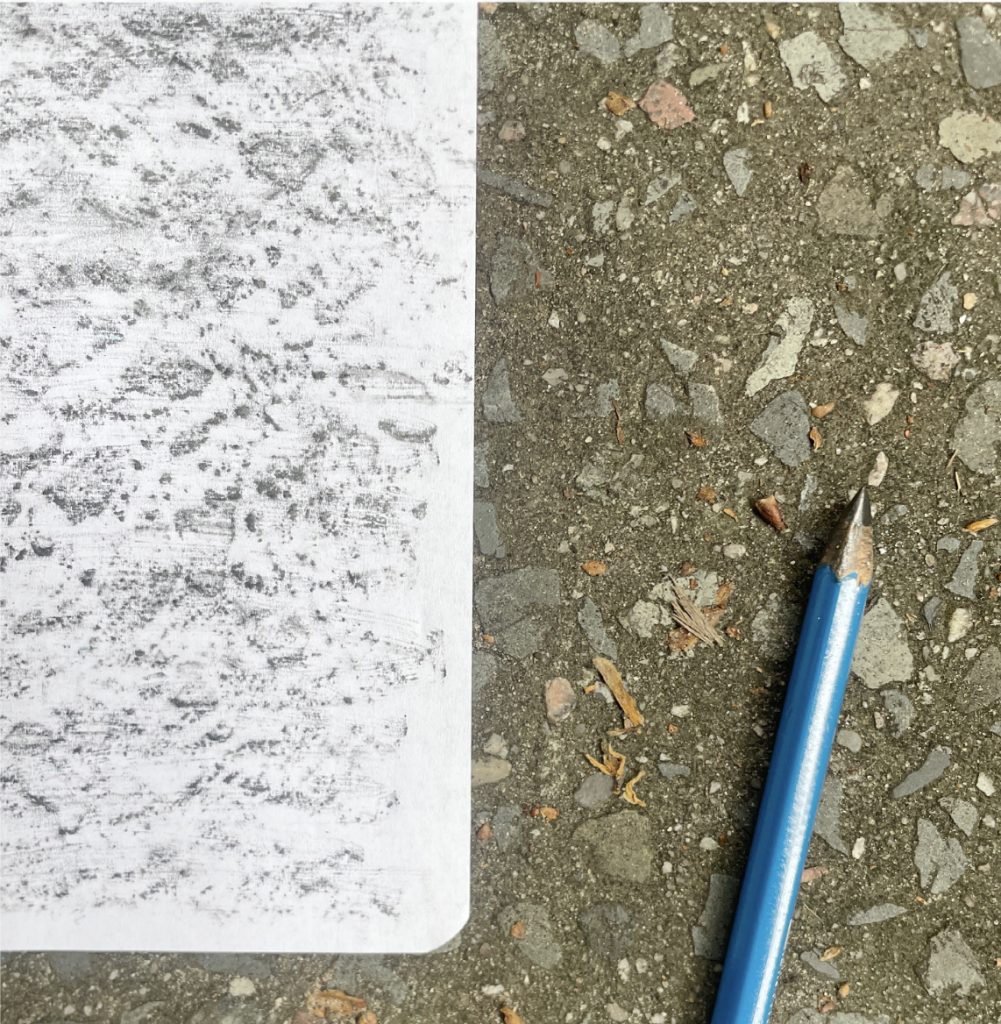
I treat filmmaking as animation. This has led to my work emphasising physical or material processes, for example I have started working with Super 8 because you can touch the illusion of moving image – a series of photos – that you can break down and play with. I enjoy breaking down the machine of moving image, the mechanisms and its construction, including its inherent biases and aggrandizement of reality.
In terms of subject, my work often focuses on exploring modern relationships between humans and the rest of nature in the global North. Stemming from my own fears of the climate crisis and the comfort I find from natural landscapes, I look to explore the conflict and absurdity that we both idolize and disregard nature’s inherent value. Philosophical movements like Deep Ecology, which highlights that emotional relationships are crucial for engaging with our landscape, drive my process and perspective.
I have taken great influence from the Fluxus movement and 1960s experimental video art, like Nam June Paik, as well as other avant garde filmmakers who explore ecological themes like Rose Lowder. With the extent of technologies that influence and alter our perspective nowadays, in particular the amount of media we consume, I think it’s good to continue to question the fabricated reality of video and images.
If you could watch one film on a loop forever, what would it be?
Ponyo. The animation is so beautiful and I could watch the sequences in the sea for eternity.
Tell us about your film that’s on T-Port. What is it about? How did you choose to tell its story?
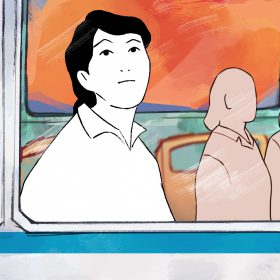
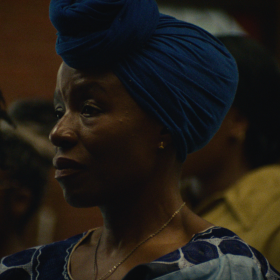
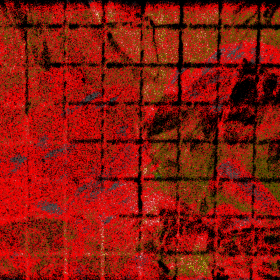
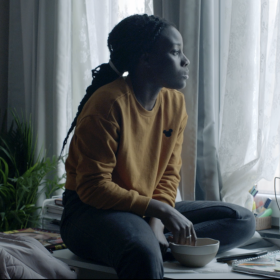
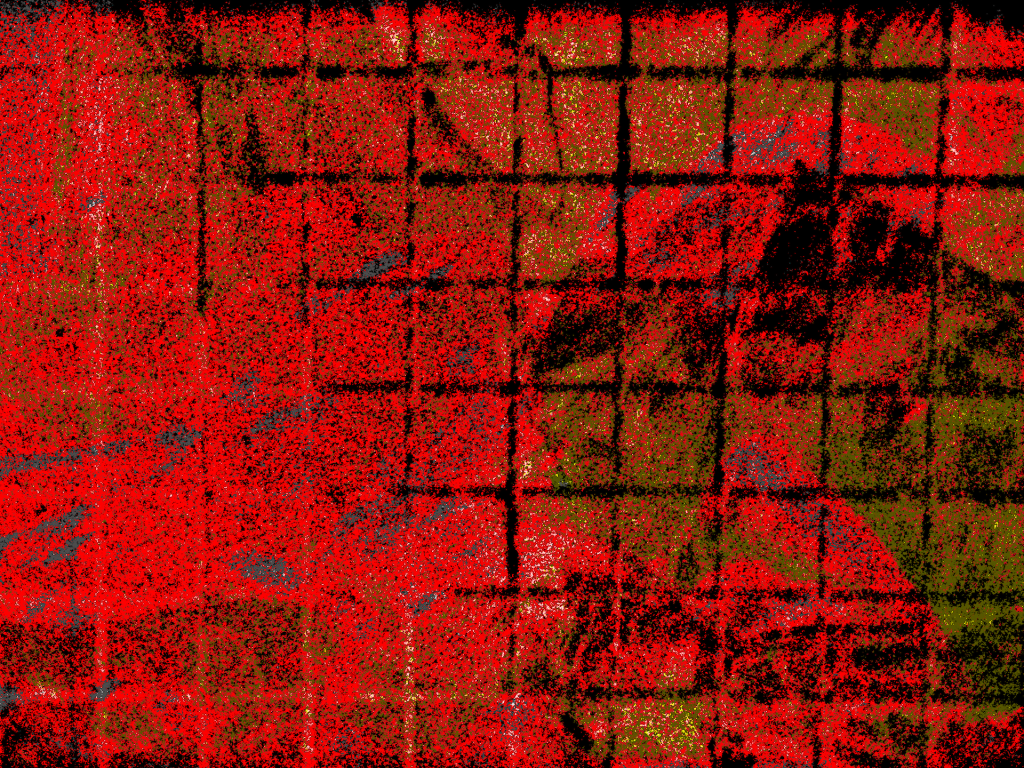
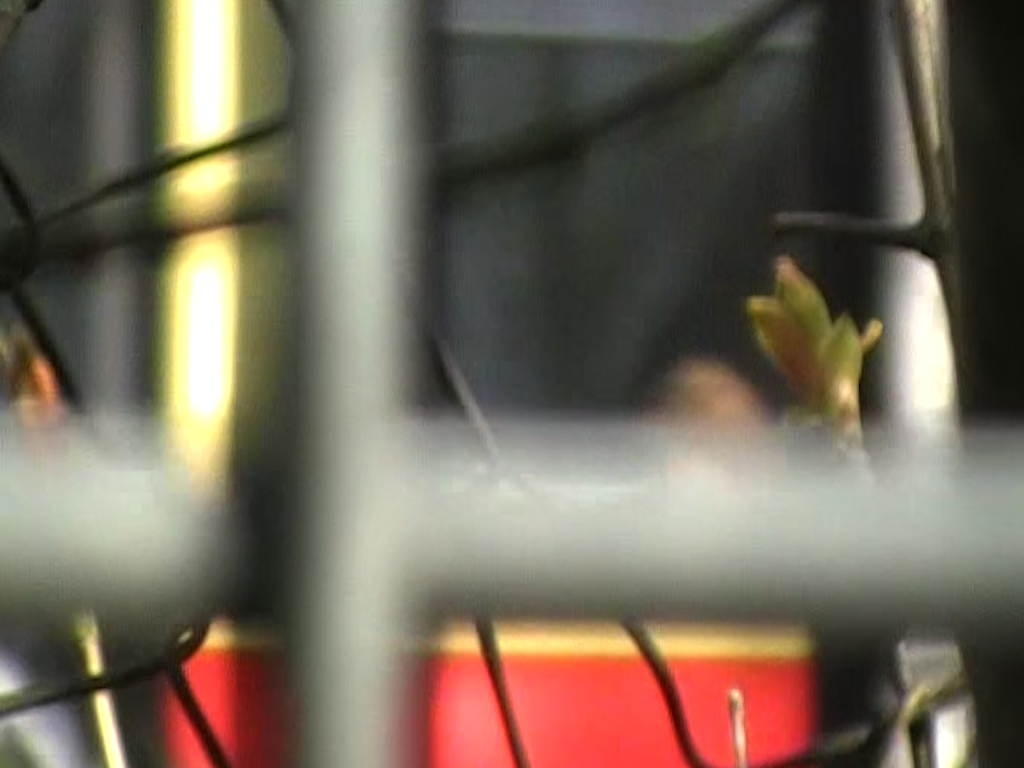
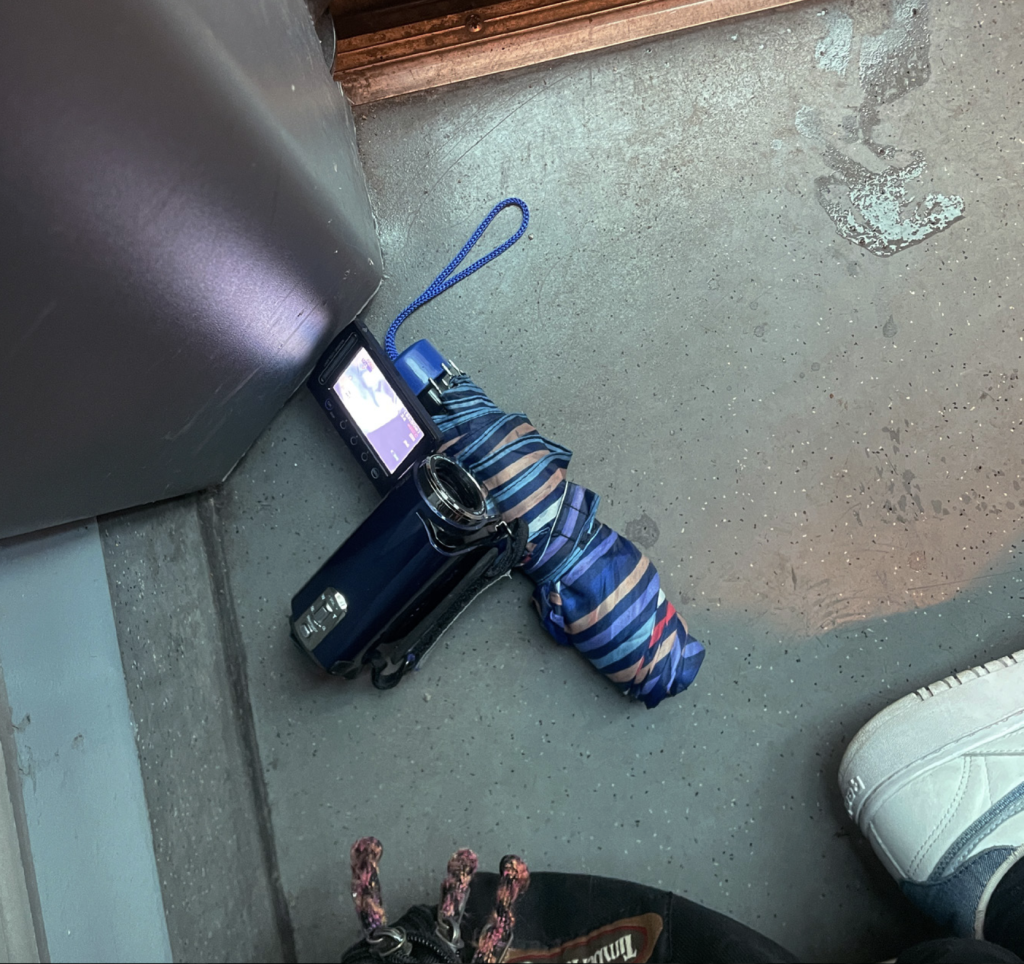
LOSING TOUCH is one of my final outcomes from my Master’s studies in Creative Film Production. Searching for life in daily rituals, Losing Touch presents the city as an ugly yet ecologically rich landscape. The film depicts the internal dialogue on coping with the grief of ecological degradation. As the body and mind wander through the streets of Berlin, encounters over 24 hours depict a sensational, overstimulating cityscape. With multimedia recordings from a camcorder, beer developed film, and cyanotype, metal and flesh entangle themselves within and between the frames.
Overall, my film is an alternative approach to traditional environmental documentary.
My masters studies focused on ecological filmmaking through both production and subject, in particular highlighting the strengths of experimental methods to depict and engage audiences with the landscape by entangling the film’s production into the final image. Traditional documentaries often treat nature as a spectacle, highlighting the extreme moments of beauty and violence, where filmmakers enter a space and try to hide the camera’s presence from the subject and audience. I find this approach leads to an exaggerated, limited presentation of our landscapes, an issue which is increasingly influential as we engage with the world increasingly through media and image.
Also, often far off landscapes are documented, making nature seem like an even more distant place. I wanted to reveal the nature on our city doorsteps and keep the camera an active participant in the frame, using a blend of recording methods that reveal disregarded or unseen presences.
Tell us about the production process on that film, what did you learn? Which parts did you enjoy?
As it’s an experimental documentary, my approach focused on instinct and emotions to guide the shoot. I didn’t want the film to try to have an objective perspective, as I don’t think it’s possible, so I tried to let myself react as much to what was around me rather than having an extensive shot list, almost like recording a home video. I would go out a few times a week at all hours of the day from February to June, as Winter turns into Spring and Summer, documenting the mundane happenings or unseen details on the streets that I would travel through everyday.
I created a manifesto which outlined my methodology for ecological filmmaking and gave me some structure, like having games to notice my surroundings and certain materials to record it. I emphasised play, interaction and imagination over distant observation, which I believe creates an arguably more truthful documentary. At least, more emotionally true.
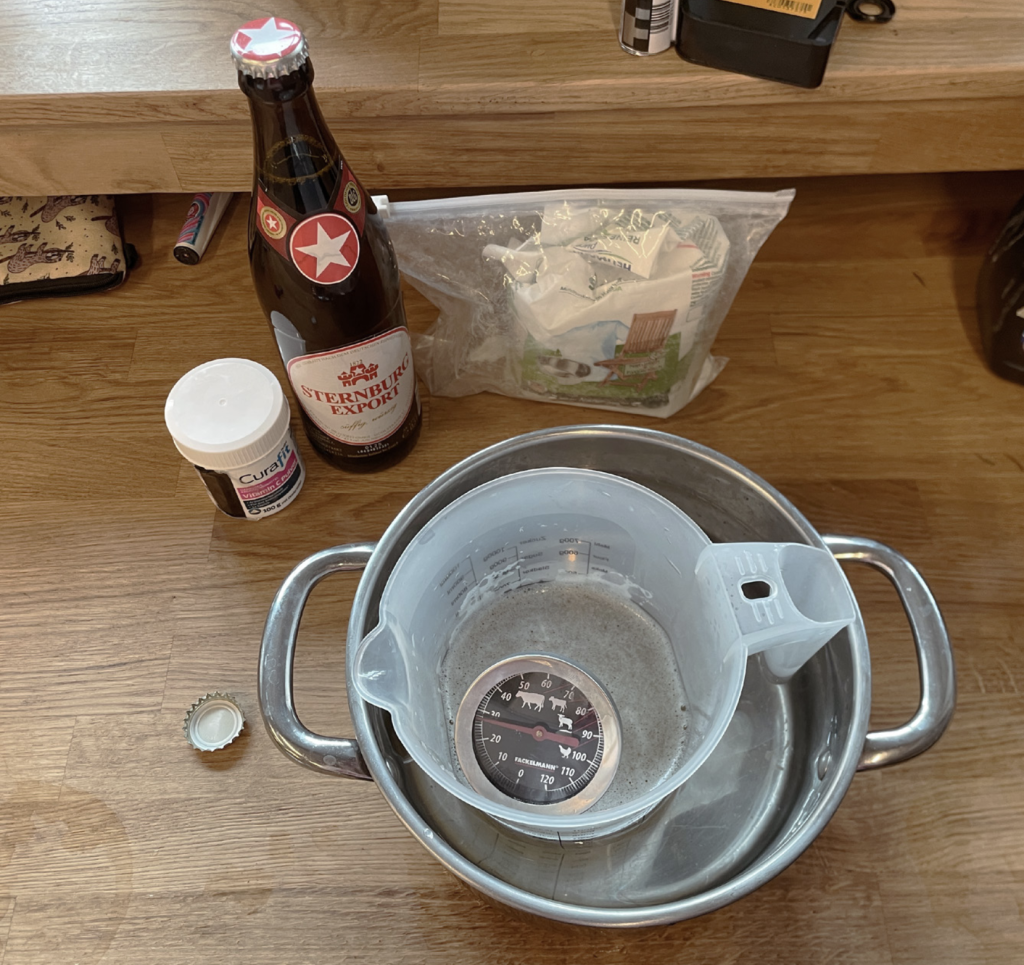
I really enjoyed developing my documentary approach and discovering new ways of image making. I discovered non-toxic film developing, using beer, coffee and other plant materials to develop 35mm and Super 8. It’s great to have such a physical connection to moving image and let the materials do some of the work.
What challenges have you encountered while embarking on your film project? How did you seek to overcome them?
As this is my longest run length and largest archives I’ve created for a film to date, file management was crucial. It’s a bit boring, but I really appreciated it once I got to the editing room! Post-production was the major stage of the film and it was a fun challenge to tie the footage into one journey. Once you’ve been editing for so long and watched your film 50+ times it’s hard to know what you’re seeing any more, so I would often have friends and colleagues watch edits to get out of my head.
How was it to collaborate with your cast and crew? Do you work with “regulars”, or are you trying something new?
I worked with brand new people for this project. As this was produced during my studies there was a lot of input from my tutors and course mates. They were crucial for bouncing ideas, testing shots and giving feedback towards the final edits.
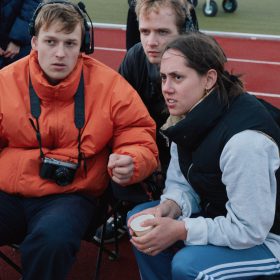
I had a tiny crew, mostly shooting and editing alone since the film focused on quiet moments and had a very personal perspective. That said, I had some help with the Super 8 shots, which were recorded and acted with Isabel Villalonga Ortiz & Carlota, as well as having the talented Lucas < FleurVil > Hochar produce Sound Design. Despite only knowing each other for a few months, they were all so open and interested with the film and supporting its development. I also must shout out the performers in my film, the pigeons, the rats and all the other creatures of the city. Whether they knew I was recording is unsure, but they gave a brilliant performance.
Can you share the most important lessons you learned through the process of making your film?
One of the most crucial lessons was to create structure amongst chaos. Through this film, I grew confidence for my more unconventional method of documentary filmmaking and created a new methodology that I will bring to future work. I love the unexpected nature of documentary and accidents from material-heavy image making, but I have become far more disciplined with the production, so a film gets made by the end of it!
If you could go back in time to pre-production and give yourself one piece of advice, what would it be?
Trust your gut and keep playing! The preproduction led me down a rabbit hole of research into ecological filmmaking, and I almost forgot that there was a film going to be made. Eventually, I got back to experimenting with video and audio and soon got myself back on track.
If you’ve been filmmaking for a while – what have you learned about yourself if you look back on your body of work? Are there any surprises from your subconscious?
I’ve found a common thread in my films which often is a far more unnerving and sinister mood than I initially intend. It’s likely some anxieties releasing themselves from the depths of my mind. I think I need to channel this into a fully-fledged horror film.
How have T-Port helped you in your film career so far? Or if you’re new, what are your expectations from T-Port?
This is my first time using T-Port, so I am excited to expand my networks of filmmakers and discover some amazing talent from other early career filmmakers. I hope anyone interested in screening ‘Losing Touch’ or collaborating on future projects does not hesitate to reach out.