Read the T-Port Lighthouse 2026/7 Curator Statements in Full
From Guest Curators Anne Gaschütz and Ben ThompsonDate: November 16, 2026
Posted by: Jess Sweetman
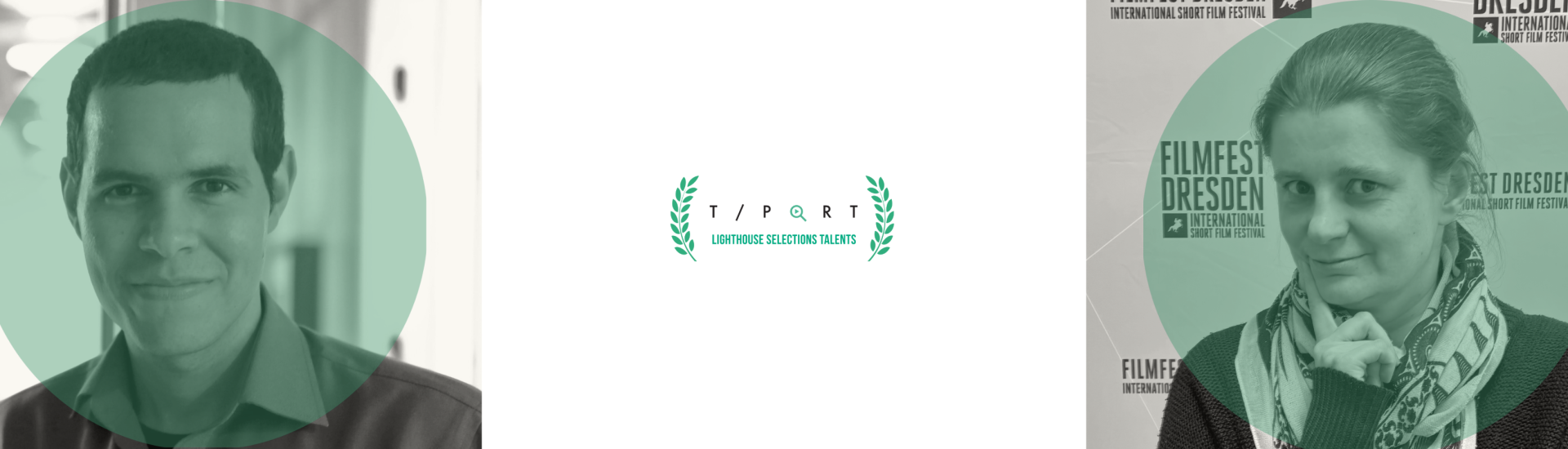
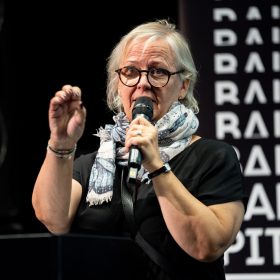
Read the full statements accompanying the 2ß26/7 Lighthouse Selections from guest curators Ben Thompson (Tribeca Film Festival) and Anne Gaschütz (Filmfest Dresden, Filmfest Locarno).
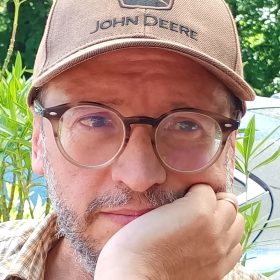
Anne Gaschütz

We live in uncertain times, to say the least. The world is on fire, both literally and metaphorically speaking. It may come as no surprise, then, that all the filmmakers in this selection are searching for something: a home, a place of belonging, another person, or themselves. Short film has always been one of the most immediate forms of filmmaking, able to react directly to the state of our world. The films gathered here are political, personal and poetic, asking what it means to belong at a time when places, identities and certainties seem increasingly unstable.
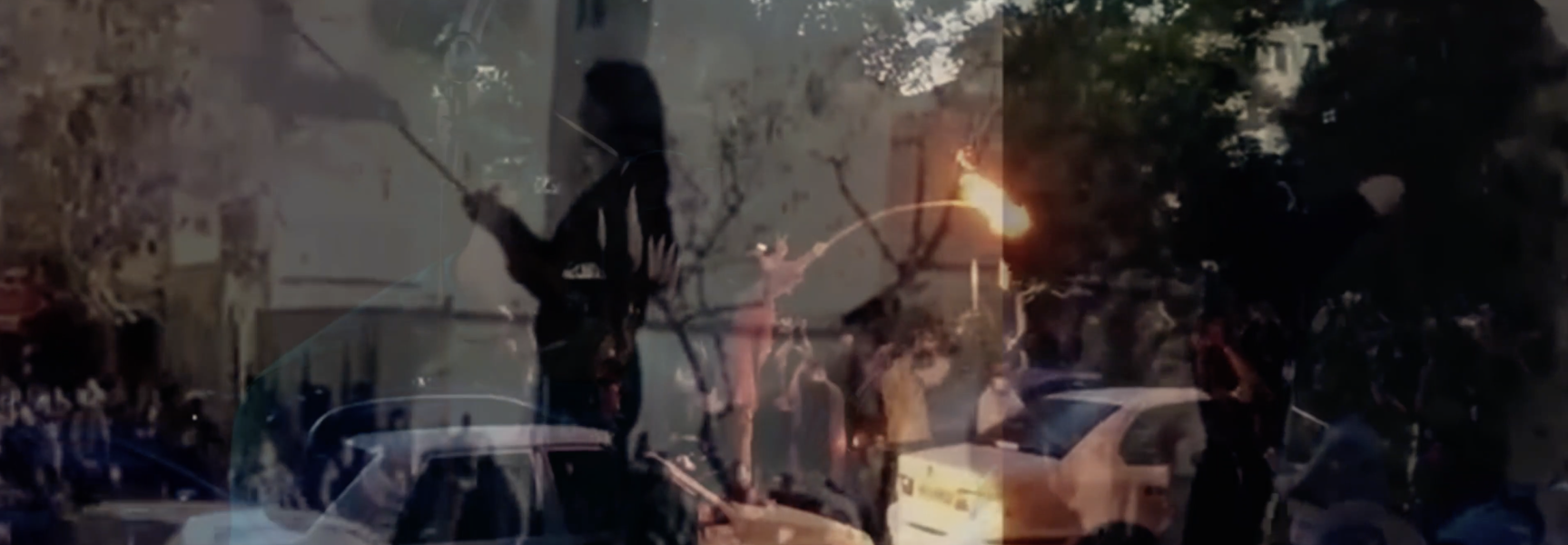
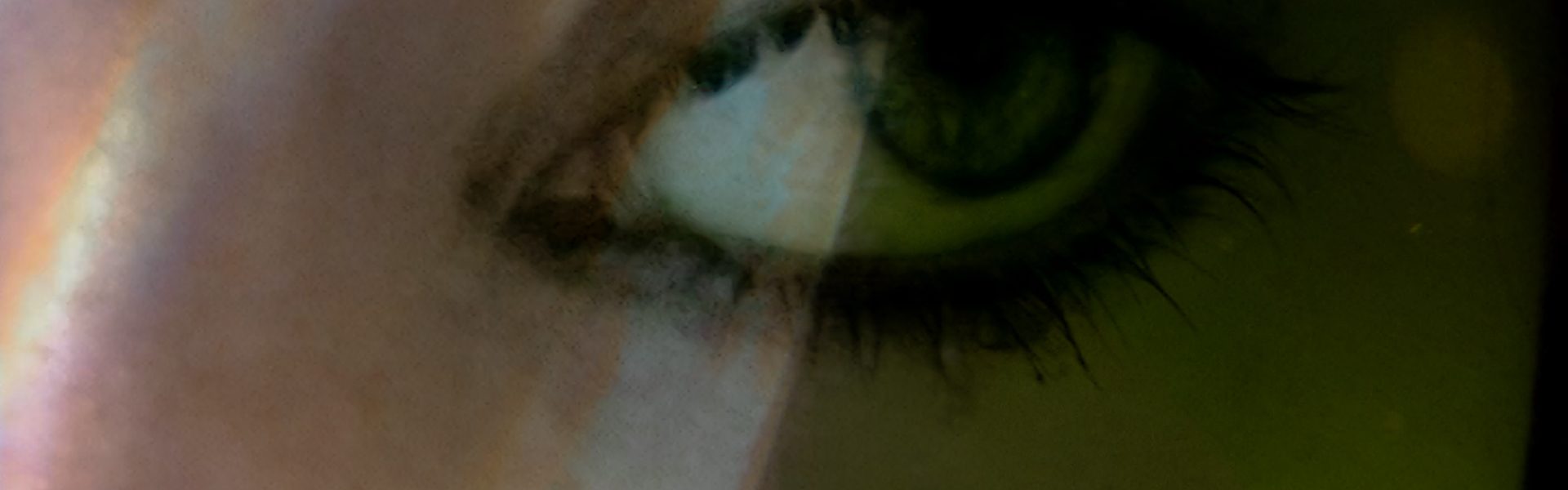
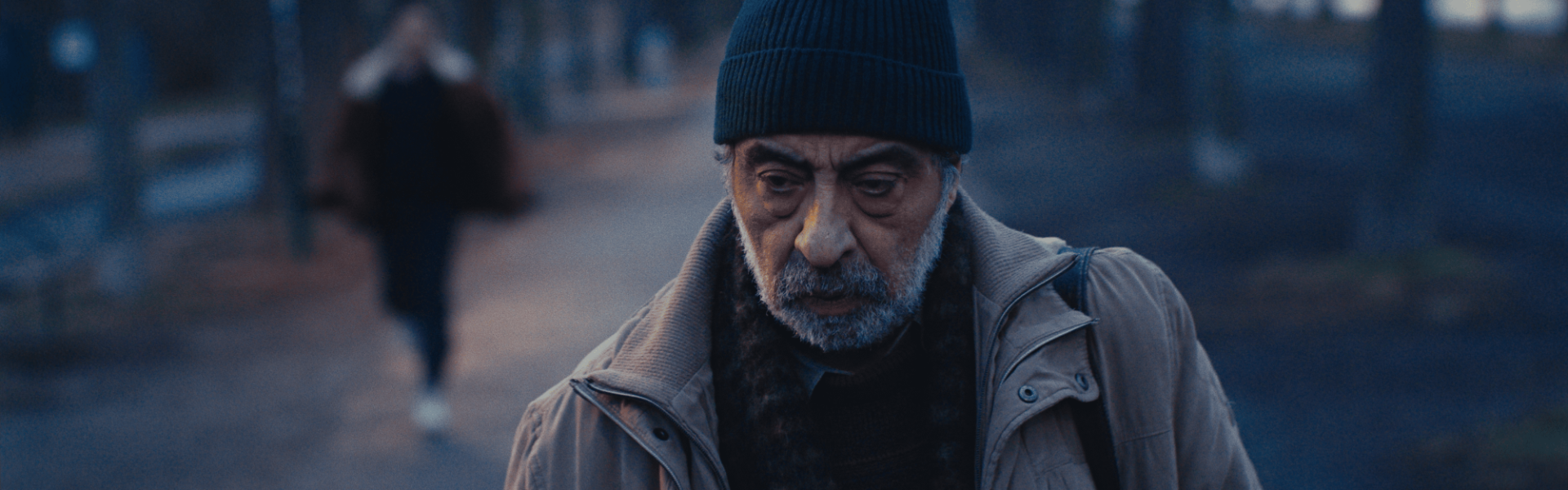
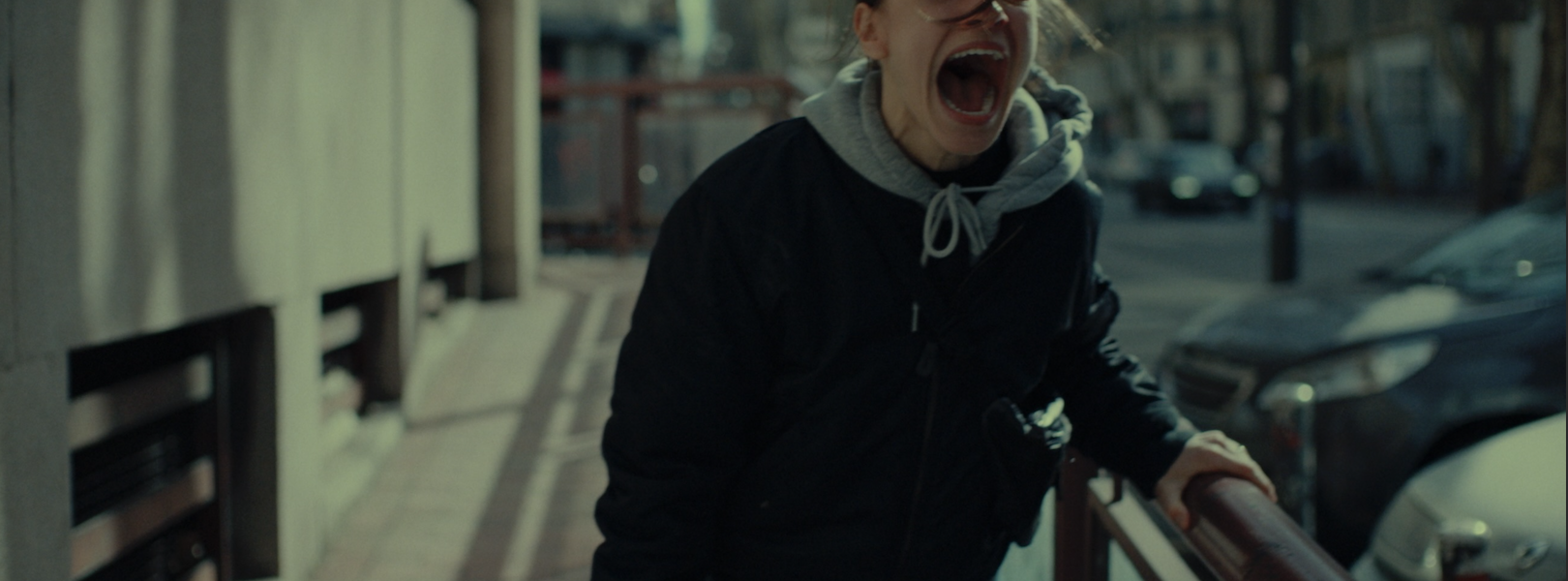
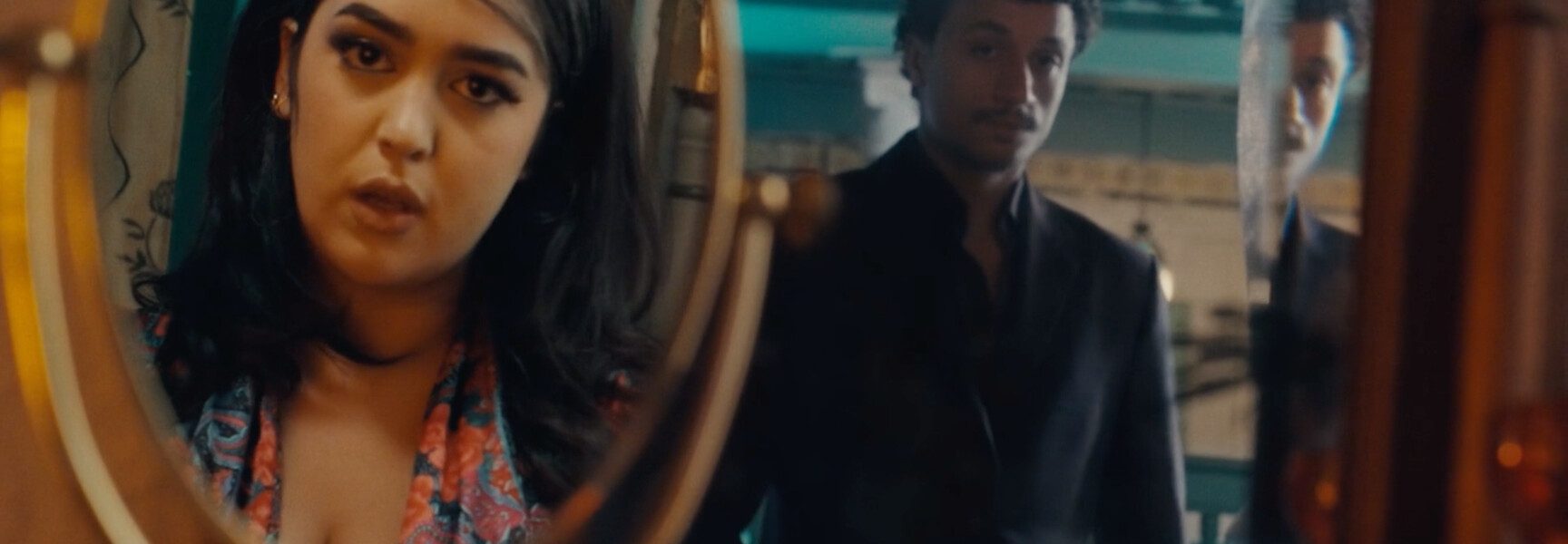
In BLIND, INTO THE EYE by Atefeh Kheirabadi and Mehrad Sepahnia, we witness the Iranian protests from a diasporic point of view: how does one cope with violence unfolding in a country one calls home but cannot return to? In MISSED CONNECTION by Jawad Lasfar, meanwhile, a filmmaker does return to his home country. But what does returning home even mean when places change, people leave and memory becomes perhaps the most reliable, if imperfect, source of truth?
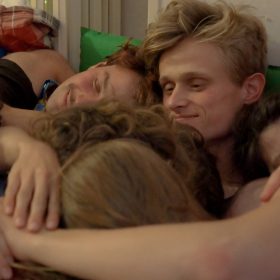
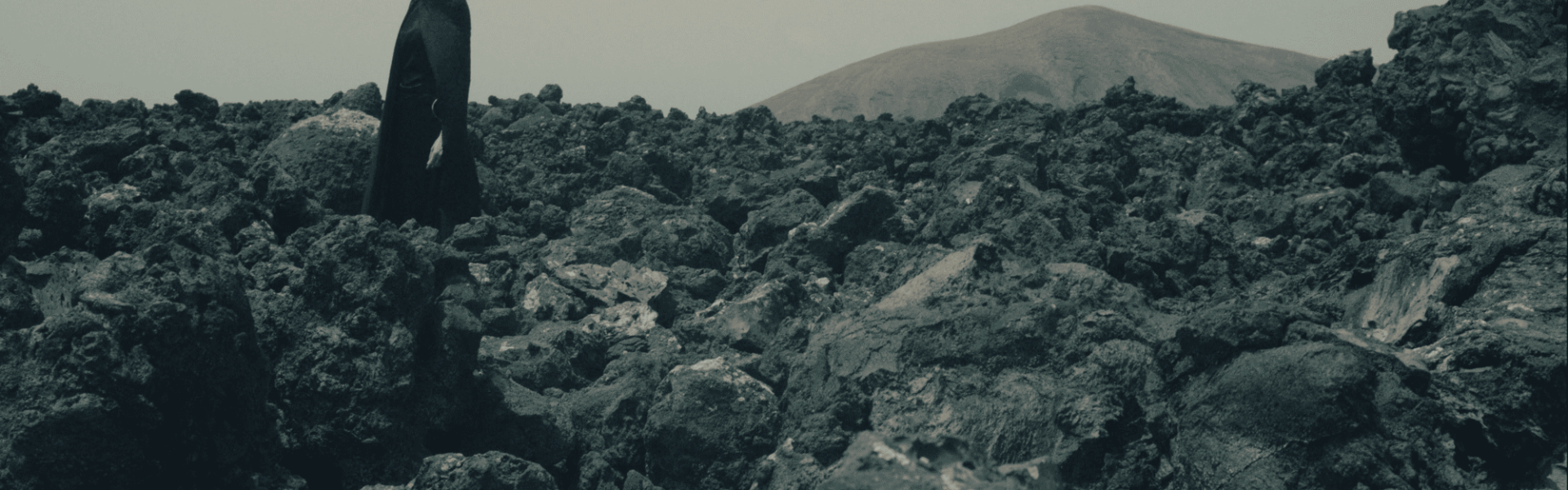
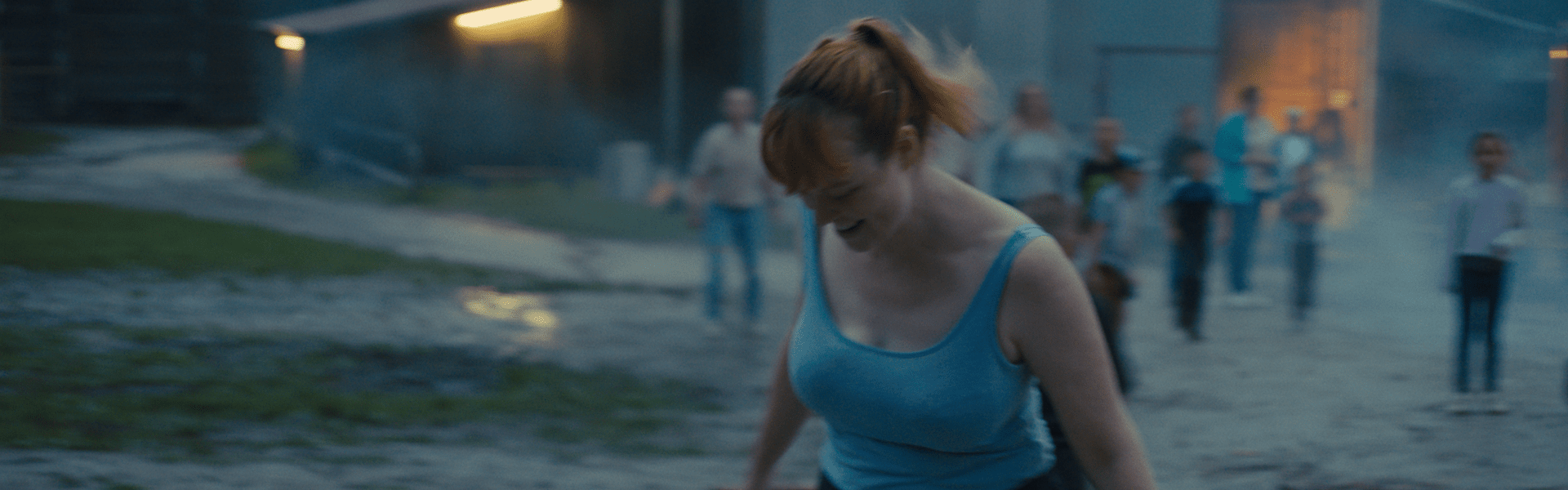
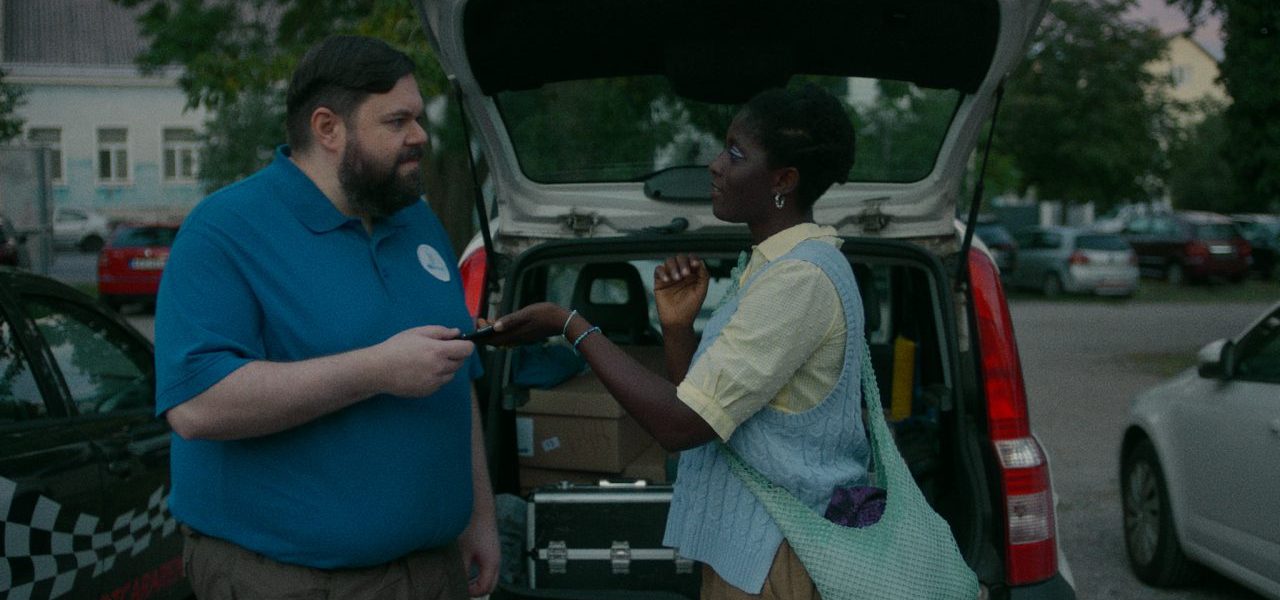
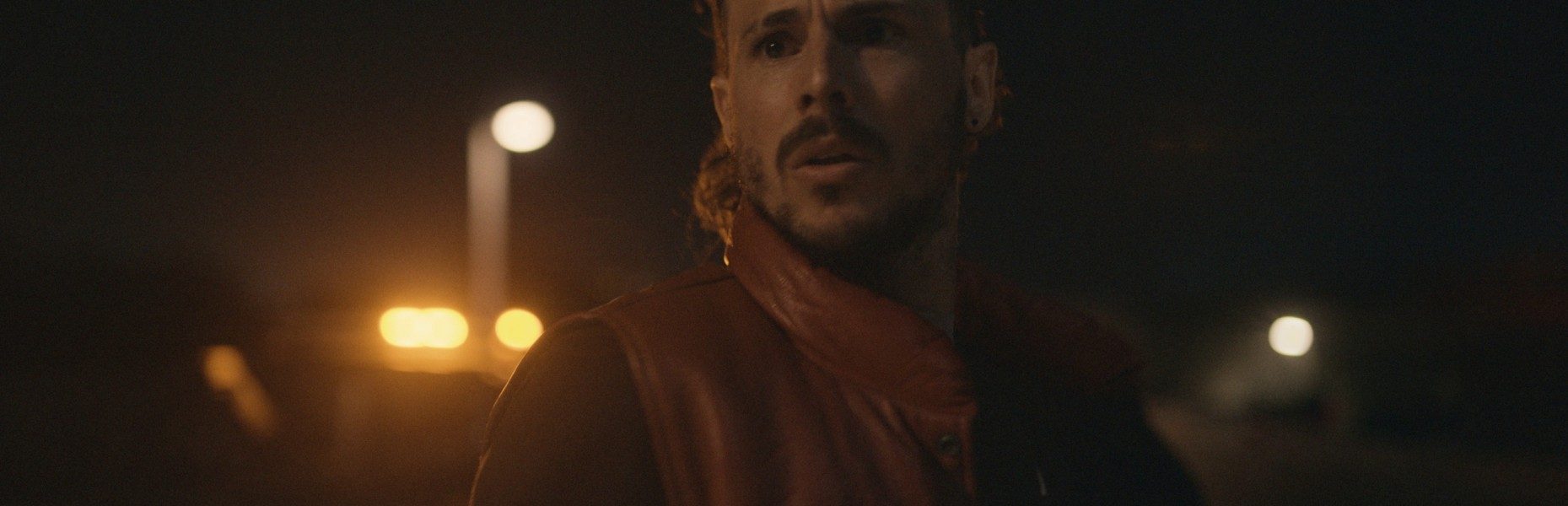
Home itself does not necessarily offer a sense of belonging. Simon Maria Kubiena’s AT HOME I FEEL LIKE LEAVING is a refreshing take on the Heimatfilm genre, playing with our preconceptions of rural life and masculinity, only to dismantle them in the next image. In Luis Mejía’s AEON, the search becomes more existential: taking human form, time wanders through vast and lonely volcanic landscapes in search of its own mortality. Against these seemingly timeless surroundings, the film reflects on what it means to exist, to remain and, ultimately, to find one’s place in the world.
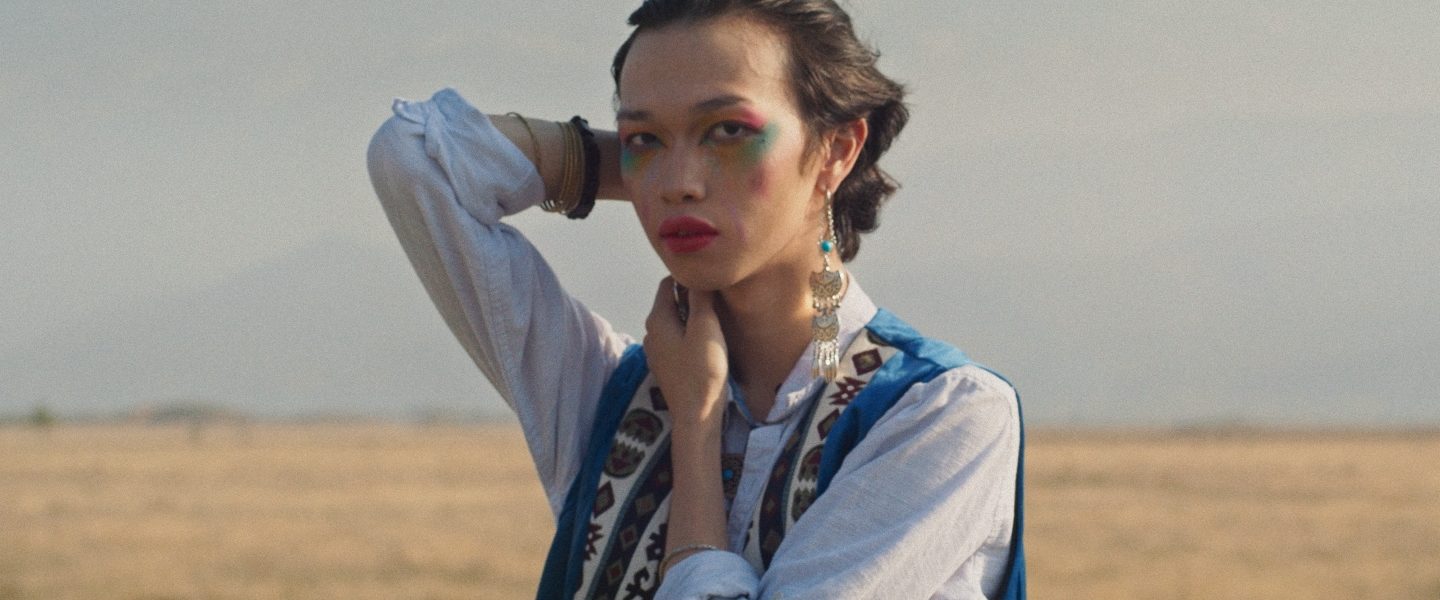
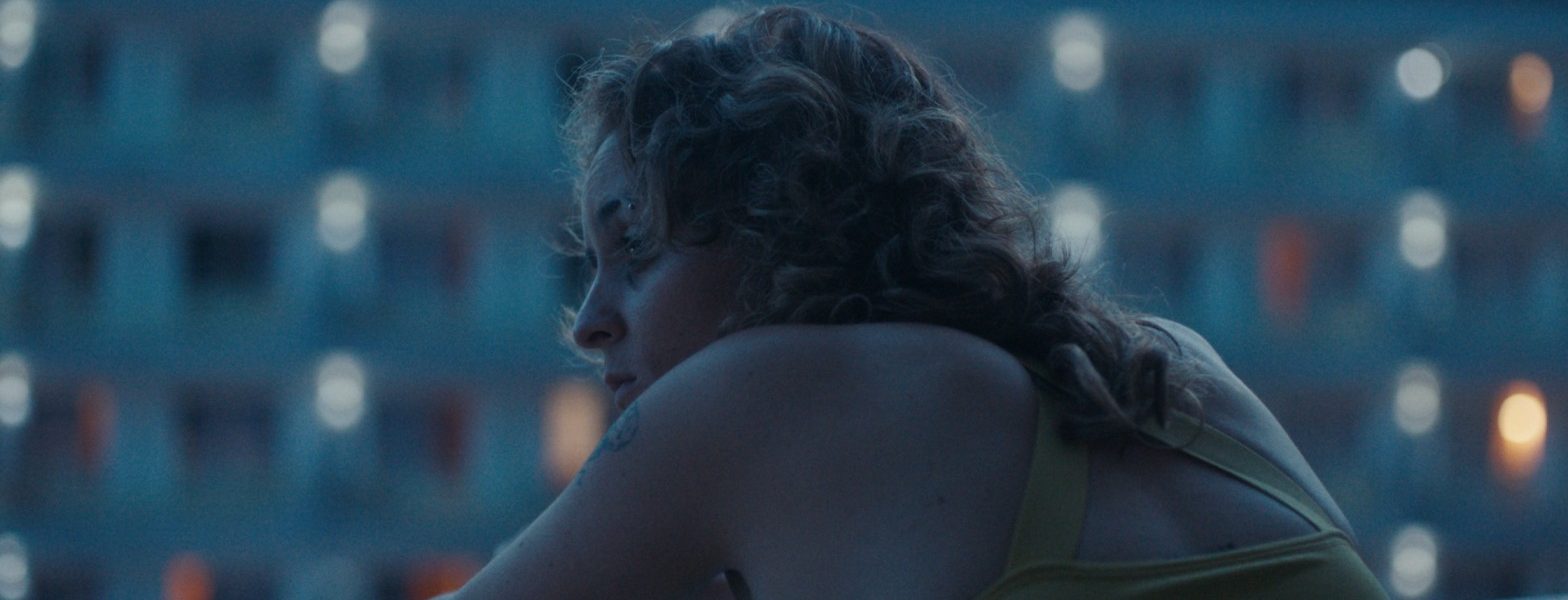
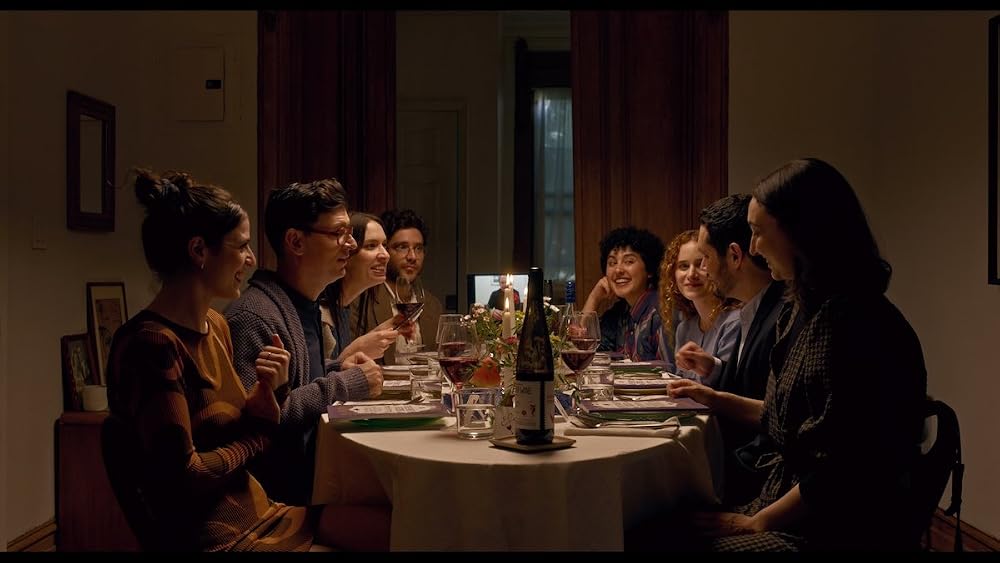
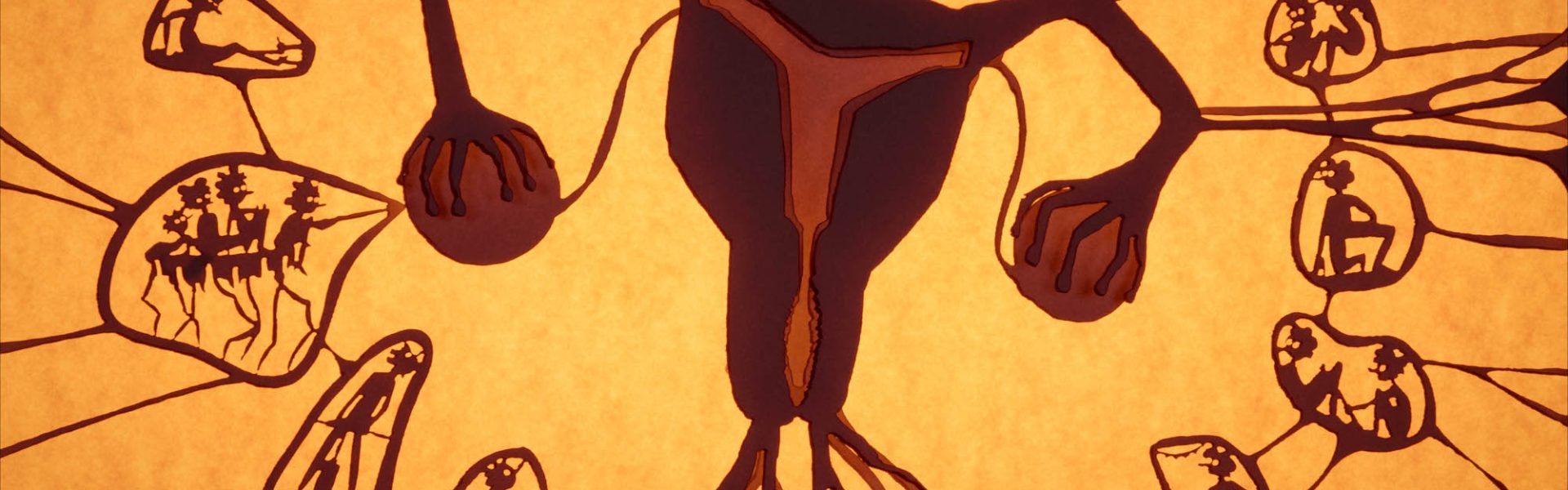
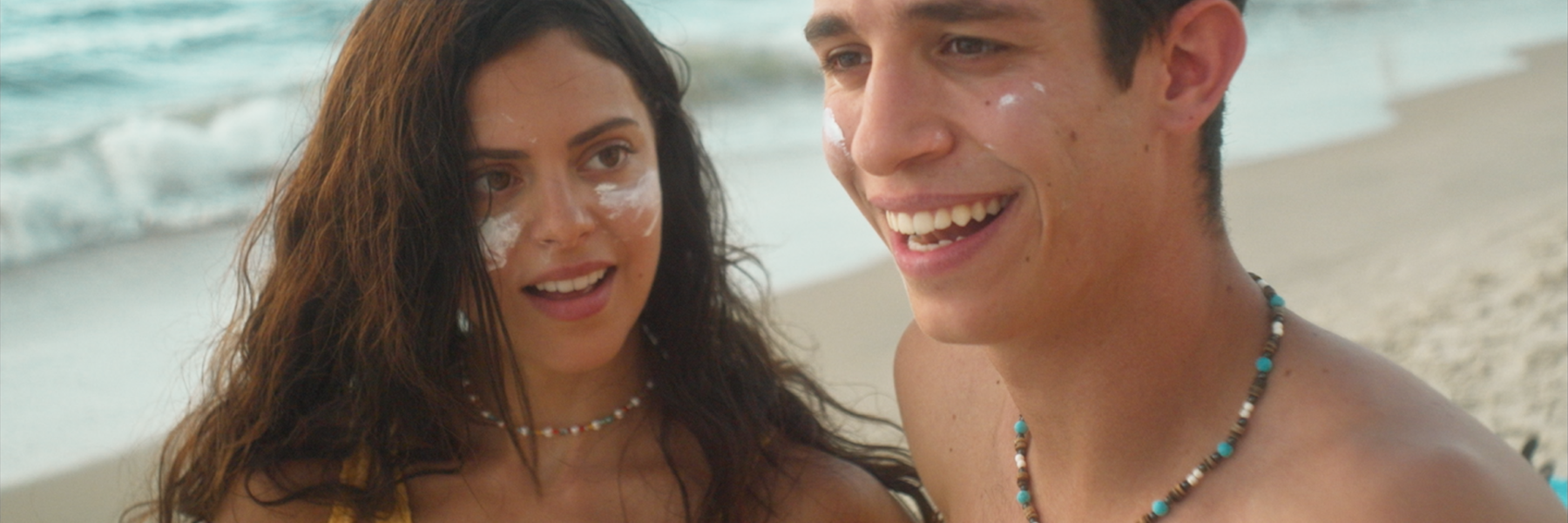
A longing for belonging – and sometimes the painful knowledge of its absence – runs through all these films. In Zhamilya Sakhari’s ADEMI, a young man finds freedom through drag while intimate conversations with his mother reveal love and support alongside fear and contradiction. In Lucía G. Romero’s CASI SEPTIEMBRE, fragile family structures and a fear of abandonment resurface when a young woman falls in love with a tourist. And in Häly Heinecker’s ONE’S OWN IMAGE, personal archives and memories of abuse become the material through which the filmmaker reclaims their own image and story.
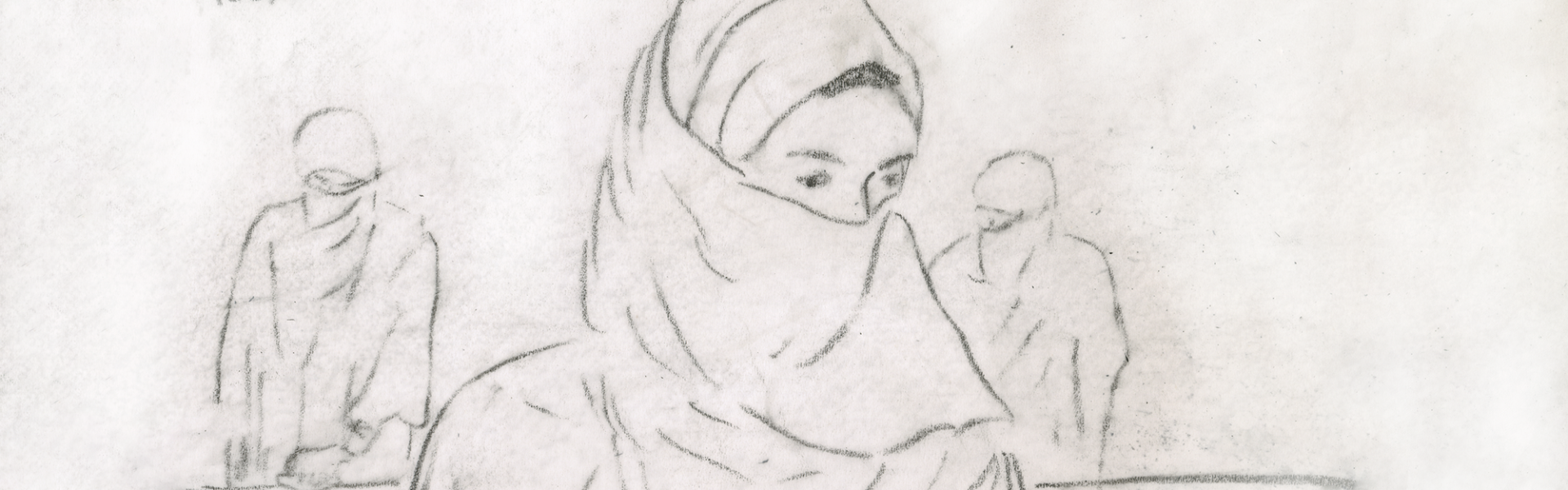
But belonging is also very political. Who is allowed to belong, and who gets to decide? AS FAR AS WE IMAGINE by Raouf Moussa traces the filmmaker’s relationship to a country in which they grew up while being continuously reminded that they were not fully wanted. In JAMILA’S LOOP by Idan Levy, exclusion becomes brutally concrete: without legal status, 16-year-old Jamila cannot attend school and is forced to fight for recognition by a state that refuses to acknowledge her very existence.
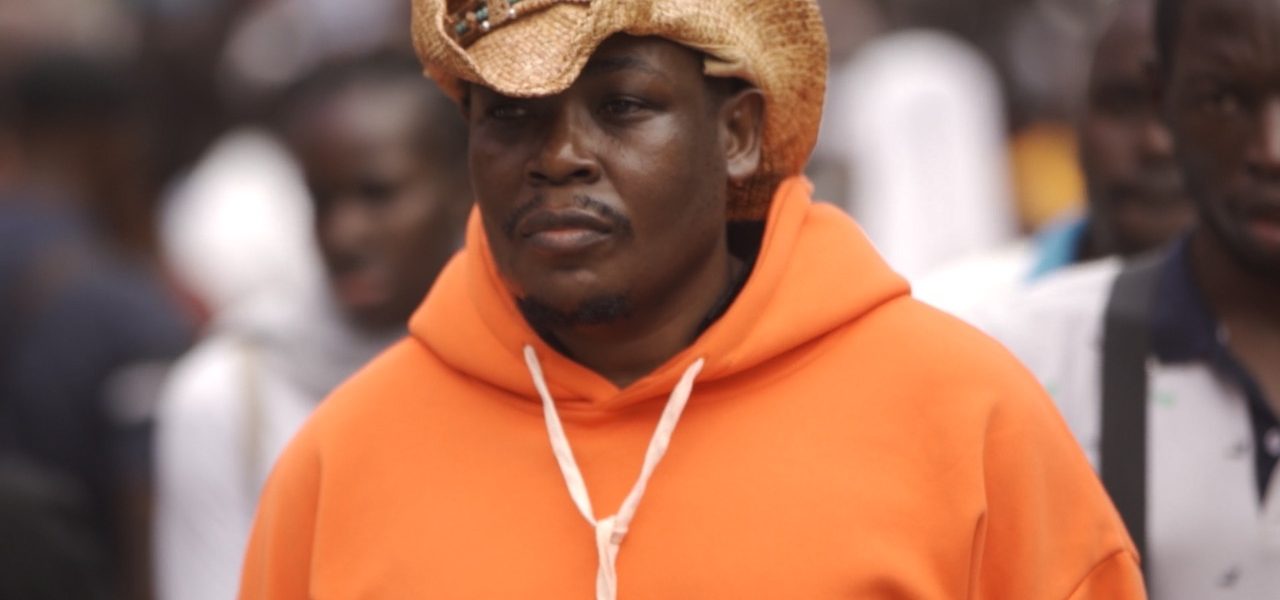
And then, fortunately, there is also room for play. FORGET THE DIRECTOR, THIS IS EMMY’S CUT! by Marion Desmaret takes us into Uganda’s VJ scene, where films are joyfully transformed for local audiences. Cinema here is not something fixed or untouchable. It can be taken apart, talked over, reinterpreted and made one’s own. Perhaps there is something reassuring in that idea. If the narratives we have inherited no longer serve us, we can rewrite them. If the images do not represent us, we can reclaim them. If the structures exclude us, we can question who built them in the first place.
In uncertain times, that may be one of cinema’s most valuable possibilities: not to pretend that the world is fine, but to imagine that it could still be otherwise.
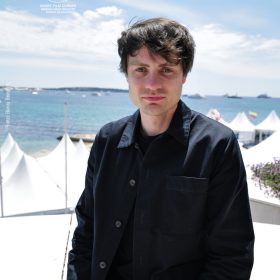
Ben Thompson

A question filmmakers often ask me is, “What are you looking for in a short film when considering submissions for Tribeca?” Early in my career, I sometimes struggled with my answer, oftentimes rambling on about original stories, personal viewpoints, and fresh perspectives until neither I nor the filmmaker was entirely sure what I meant.
Sometimes it is hard to define beyond simply knowing it when you see it. After watching many thousands of short films and spending decades programming them, my answer is now consistently the same: character. For me, character is king in short films. Filmmakers have such little time to work with in the short form, and without a strong character to anchor the story, building an audience connection and telling an engaging narrative can be a real challenge.
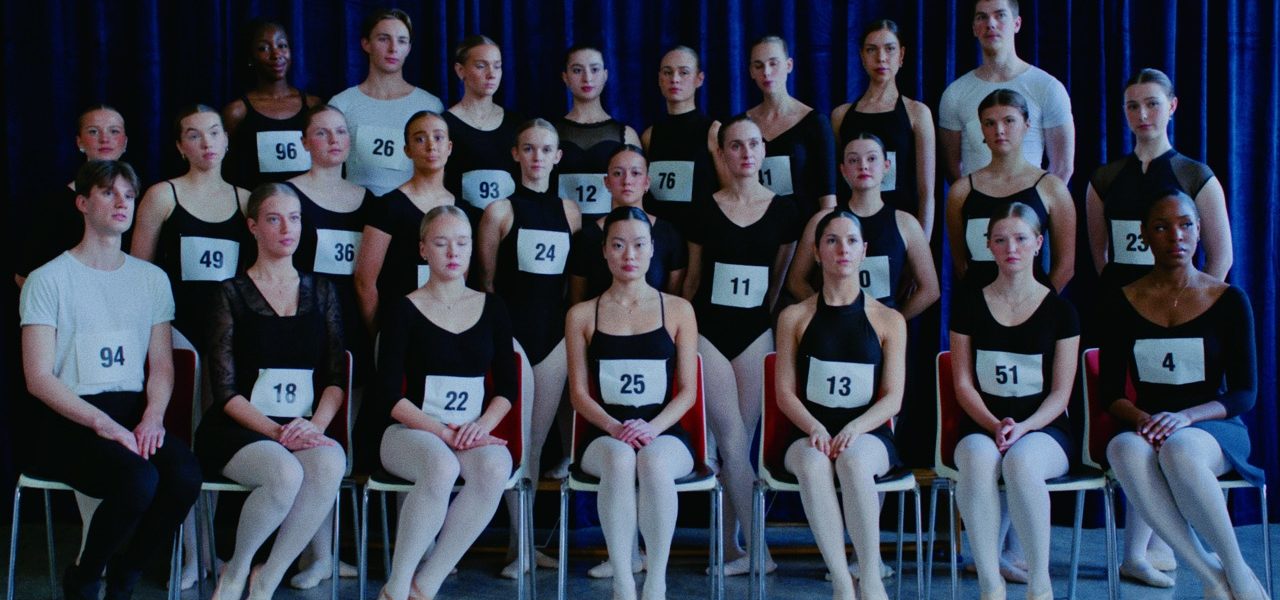
While curating this Lighthouse selection, I was struck by the myriad of characters I encountered. Whether their stories were complex and intricate or simple and familiar, I saw their worlds through their eyes and was drawn into the journeys they took me on. Each short in this selection centers on well-defined, fully developed characters—people whose stories linger beyond the film’s brief runtime. These are stories in which we can recognize ourselves, from heartbreak to humor, and they offer insight into the messiness, tragedy and beauty of humanity. They explore moral ambiguity, discrimination, and prejudice, while also highlighting family, friendship, and love. My hope is that every audience will find a film in this selection that speaks to them.

Professional Subscribers? Check out the 2026/7 Lighthouse Selections HERE
Become a Professional Subscriber to T-Port and gain access to the full 2026/7 Lighthouse Selection, plus more. Get in touch today