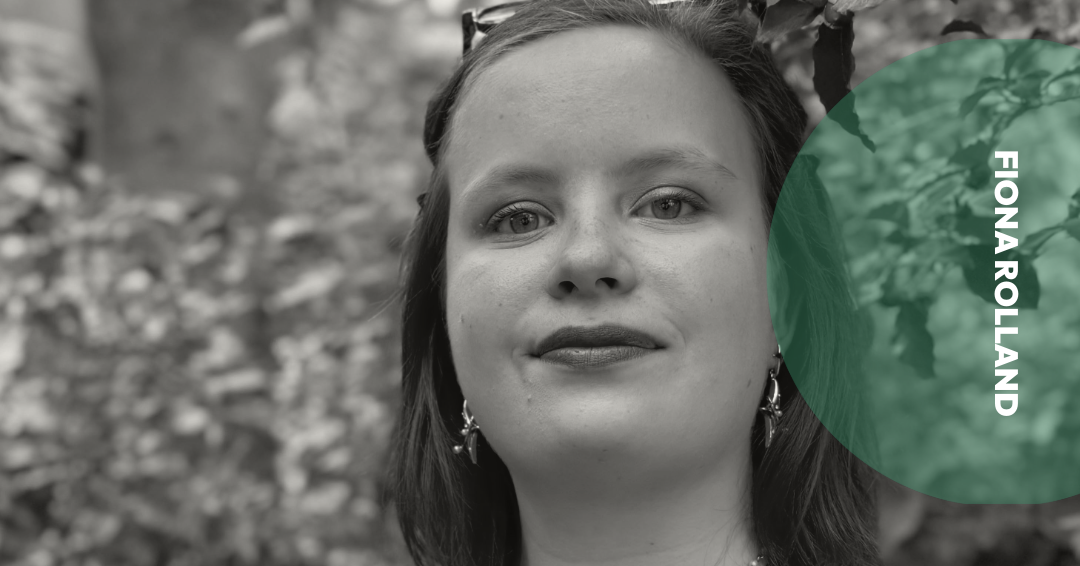
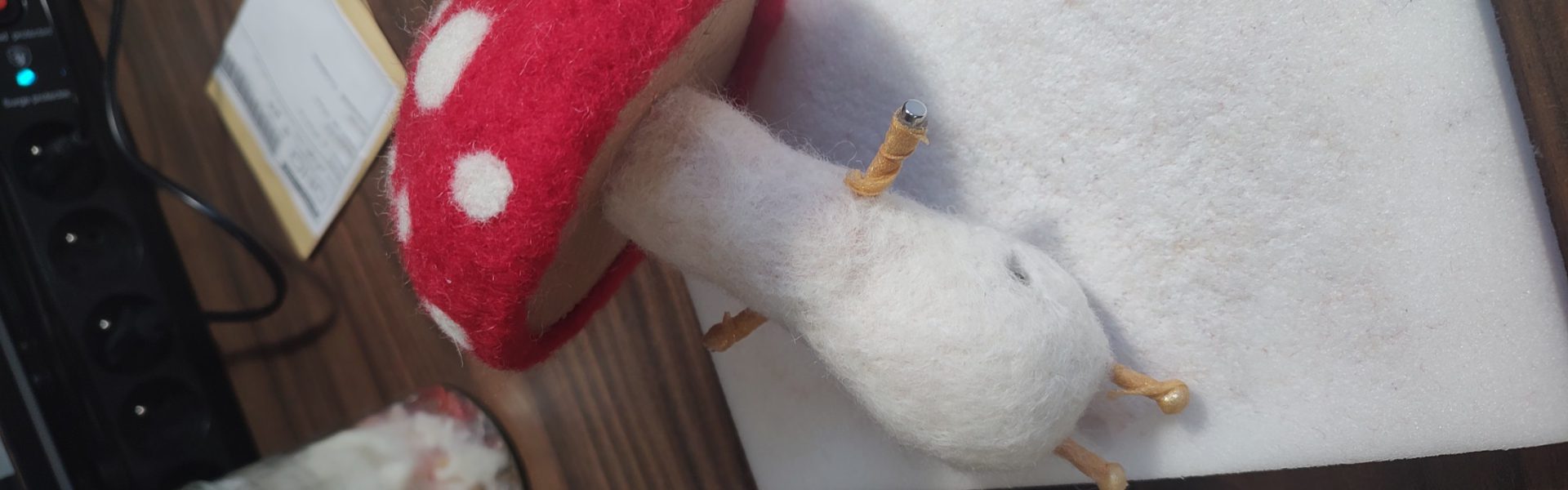
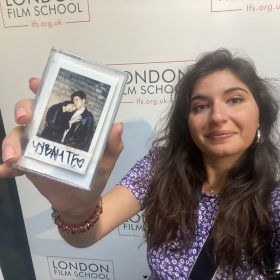
French-Belgian film director Fiona Rolland (She/Her) is the artist behind the short children’s animation BOBEL’S KITCHEN, which appears on T-Port through our partners at Wallonie Bruxelles Images.
Fiona stopped to chat to T-Port about her love of creating other worlds, the power of escape through cinema, and the pressure and pleasure of working alone.
Hi Fiona, would you introduce yourself in a few lines?
My name is Fiona, and I’m a young French-Belgian director. I grew up in Brussels, and I started studying art in high school there. My first main focus was set design and miniatures, which led me to discover stop-motion during the beginning of my studies at La Cambre.
During my studies, I directed three short films, all in stop-motion. My two first ones, ‘One nut at a time’ and ‘Bobel’s Kitchen’, are children’s movies focusing on a soft and fairy tale-like atmosphere. My third one, coming out in September 2026, is gonna be my first attempt at a fantastical and mysterious type of film.
Going forward my objective as a filmmaker would be to be able to direct my first feature film .
Why did you choose film as your medium? Is it your only artistic outlet or do you have others?
I’ve had a fascination for films and cinema as a medium since I was a child. As a teen, the cinema was a space I felt most at home, going to watch movies at least once a week. I had the chance to have access to a small camera at a young age and quickly started to experiment and realize this was my biggest passion.
Cinema will always be for me a medium that transcends everything else in the way it’s able to put together a lot of different types of art and make them resonate with each other.
It is not the only medium in which I strive. I’m also passionate about writing, set designing, and a series of other crafts that I was capable of developing during the production of my first short film.
Do you have a philosophy behind your filmmaking? Or do you feel like you belong to a particular artistic movement from the present day or past? Could you tell us about it?
I’m not sure whether it qualifies as a philosophy per se, but my main focus in filmmaking is creating something that will be able to take people out of their daily lives. Cinema has always been an escape for me, and it is what I aim to recreate with my films.
I’m particularly inspired by romanticism and impressionism when it comes to artistic movements because of the way they aim at reproducing reality but in a more fantastical and beautiful kind of way.
If you could watch one film on a loop forever, what would it be?
It would be the movie CHEF by Jon Favreau, because of the discourse around living for your passion and the theme of cooking, which is my second biggest passion.
Tell us about your film that’s on T-Port. What is it about? How did you choose to tell its story?
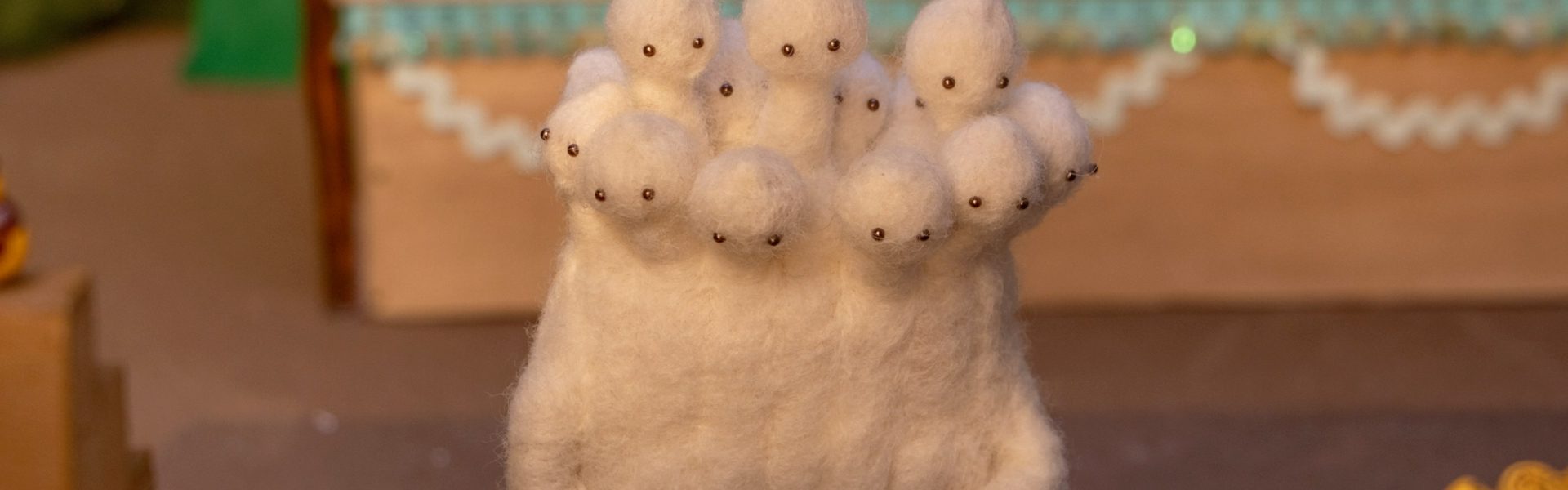
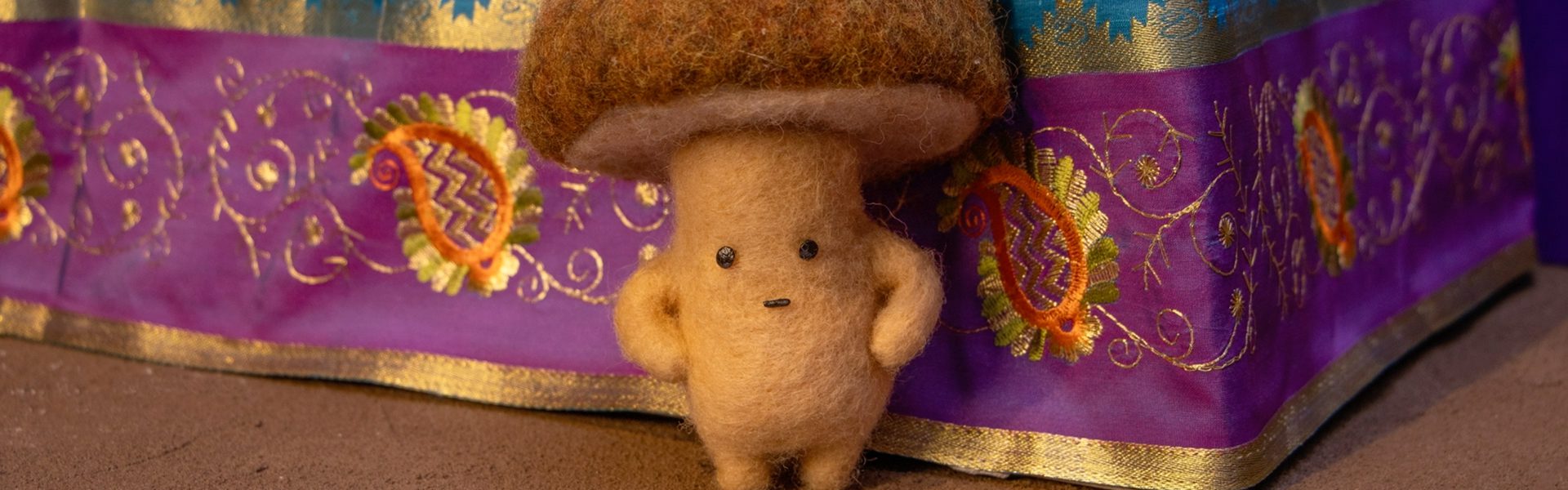
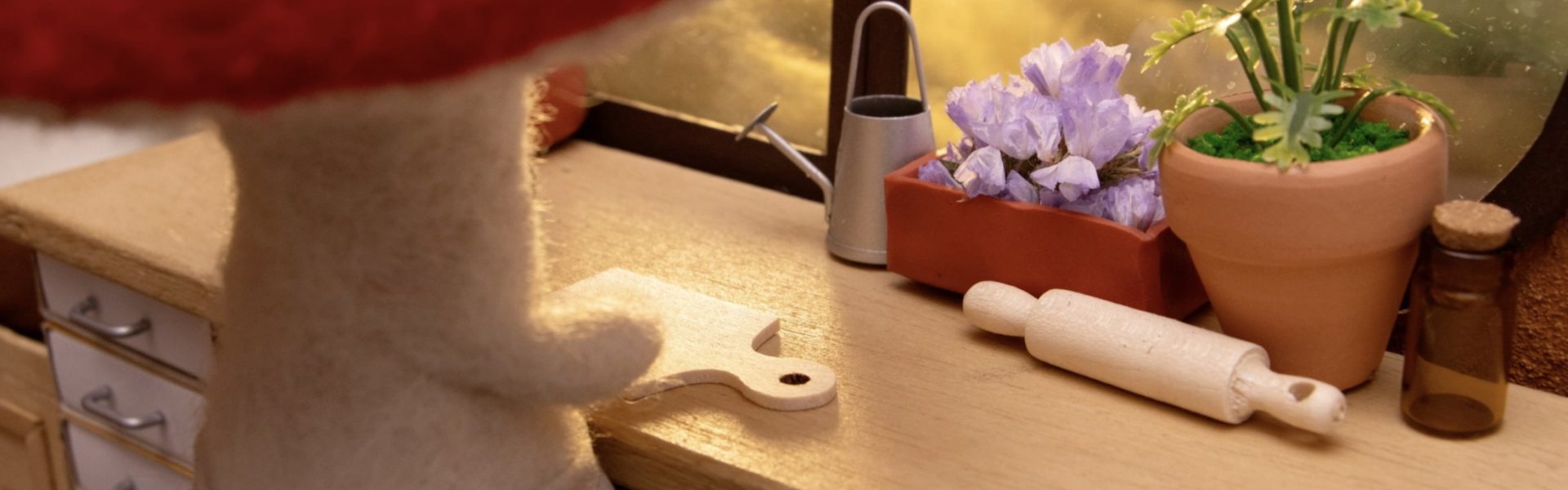
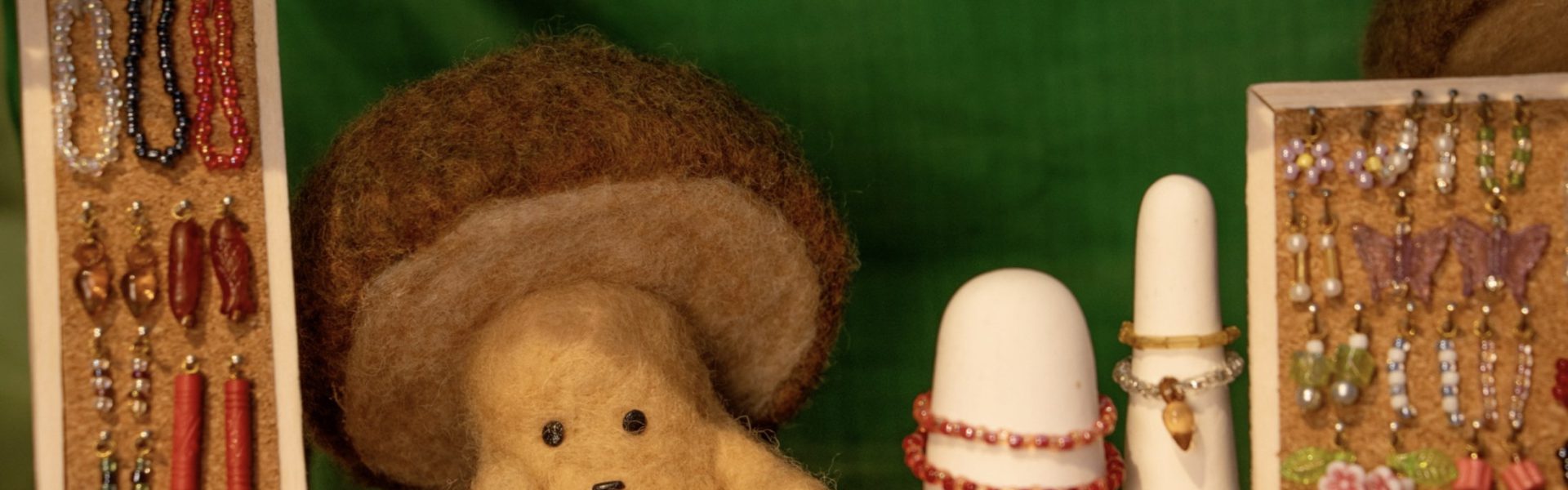
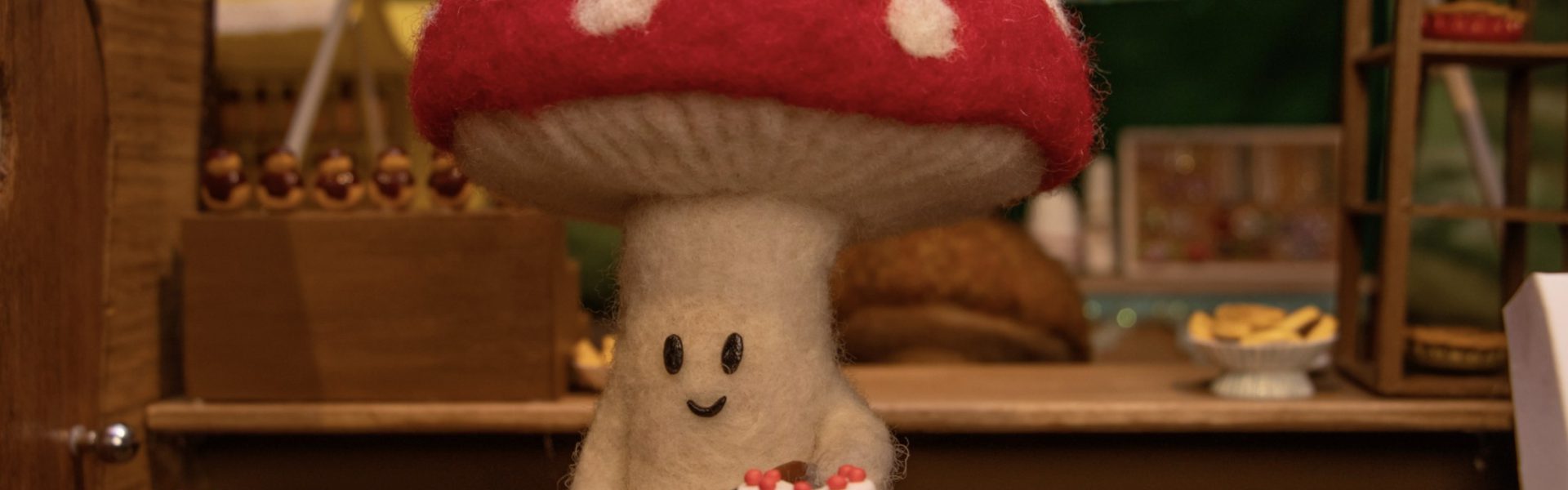
The short film “Bobel’s Kitchen” is my second short film. It’s the story of a small venomous mushroom named Bobel who dreams of becoming a cook at his local market. When that day finally comes, he’s confronted with the prejudice of his peers, who are afraid that the foods he cooks will be poisoned.
The origins of what inspired me for this story is a bit complicated, but the main motivation behind it was my personal history with sickness and discrimination. One of the main inspirations that I can quote is also the AIDS movement and the historic discrimination that the affected individual have to go through. I wanted to be able to create a discourse around those topics, especially with young people.
Tell us about the production process on that film, what did you learn? Which parts did you enjoy?
The short film was the main project of the end of my bachelor’s degree.
As opposed to other film schools, the course I was in was mainly focused on individual work and artistic discovery, so I worked almost entirely alone on this project.
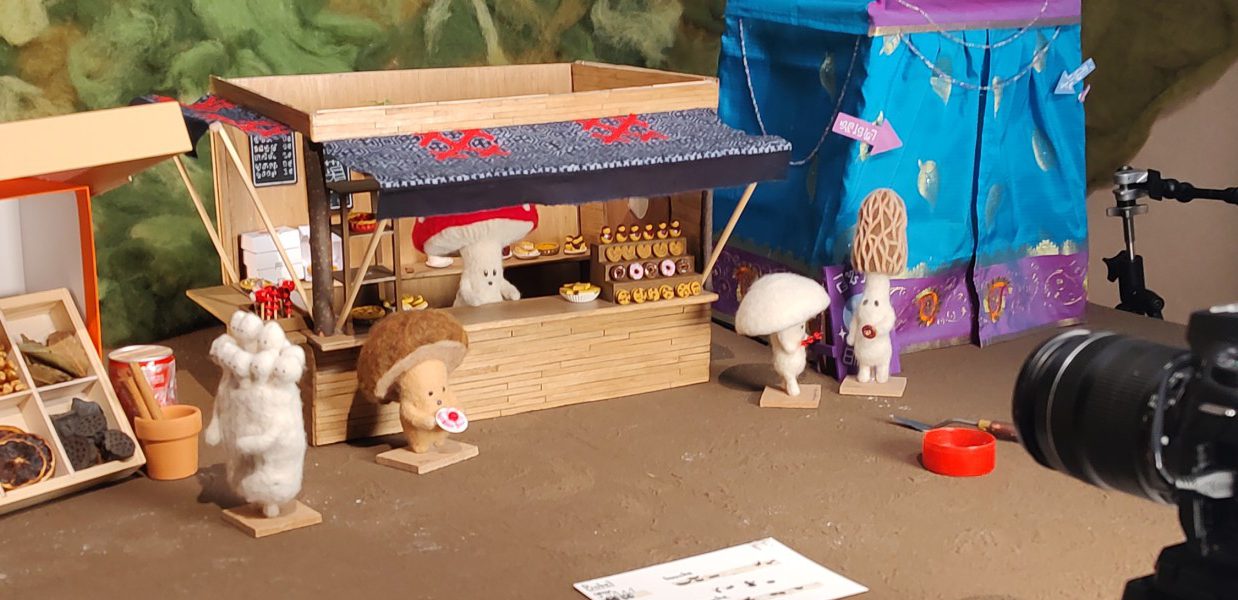
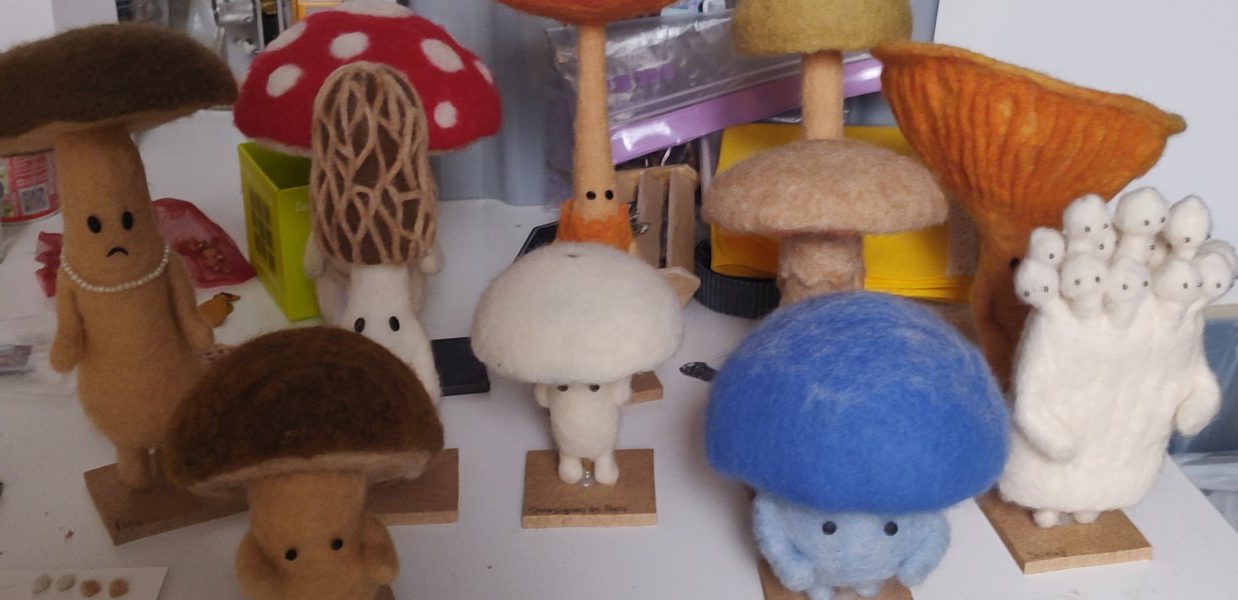
So from the pre-production to the post-production, I had to handle and learn almost anything on my own. My favorite part of the project was to actually be able to build multiple sets for the first time and to animate characters that I created and knew entirely in them. The good part of being the only technician behind everything was that I knew every restriction and quirk of every set and character from the get-go.
What challenges have you encountered while embarking on your film project? How did you seek to overcome them?
Being alone and without real support behind me was the greatest challenge. I learned techniques and tips along the way that would have probably greatly helped me if I had known them from the get-go.
I had the chance after a while to be able to get some advice from certain teachers but mostly from other students at my school who have been the main help for this project. Being in an environment where we were all left a bit on our own created a really great atmosphere of mutual support that helped me learn most of what I know now.
Were you able to formally collaborate with any other artists during the making of your film?
The only exterior person that helped me on this project was my composer, Virginie Tasset, who did an absolutely amazing job. This short film was our first collaboration, and it is by far my best collaboration yet. Most of the collaboration was made remotely, and what made it so successful for me was the clear communication that we managed to create.
She has now become a regular collaborator for me; she is the composer for my latest short film, and I hope to be able to keep collaborating with her on my future projects.
Can you share the most important lessons you learned through the process of making your film?
Never hesitate to ask for outside help or opinions. A film project is a very long process, and it’s very easy to get stuck inside it without being able to take the necessary step back sometimes. Outsiders to the project helped me to see things from another angle, and sometimes find solutions that were right under my nose.
If you could go back in time to pre-production and give yourself one piece of advice, what would it be?
Be a bit less hard on myself, especially during the high peak of production. It takes time to learn, and things cannot be perfect from the beginning. Sometimes mistakes are the opening for greater things and trying to shove them away can actually be less productive.
How have you felt about the distribution side of the film industry? Do you feel prepared or knowledgeable?
I absolutely don’t feel prepared enough; it might be one of the biggest gaps in my education so far. I feel like school films in general don’t prepare their students enough for the afterlife of a movie. We are taught to create movies, but not to make them thrive after that.