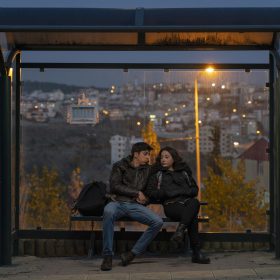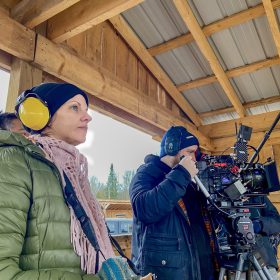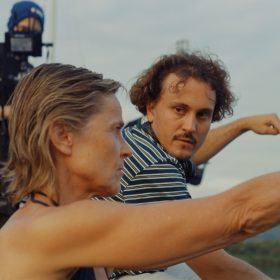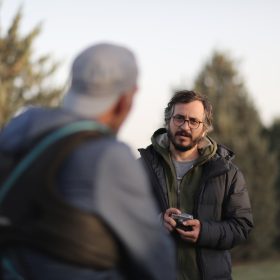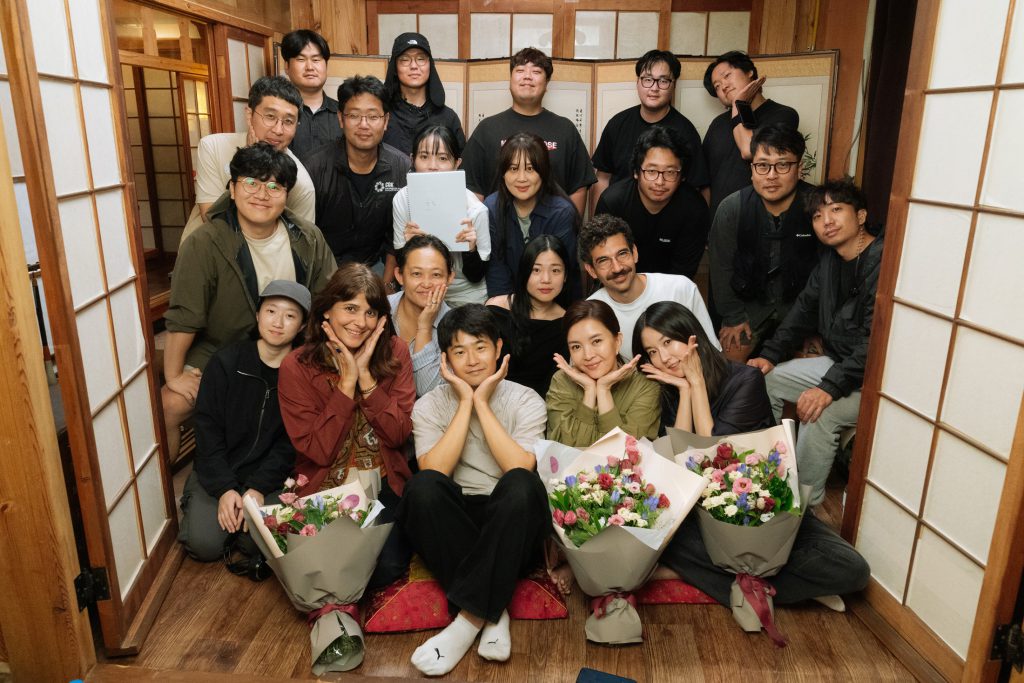
Tell us about the production process on that film, what did you learn? Which parts did you enjoy?
For this film, an intensive research process was very important. I attended general meetings of Korean adoptee communities in Switzerland and Germany, organized closed round tables, and made interviews not only with Korean adoptees, but also with adoptive mothers and translators involved in reunions. These different perspectives helped me understand how each person involved might feel. Unfortunately, I was not able to interview a biological mother.
At first, I was even unsure whether I was the right person to make this film. But the more I researched and became friends with Korean adoptees, the more I felt accepted in my intentions. I don’t have one specific part that I particularly enjoyed. The whole process was a very meaningful and enriching experience.
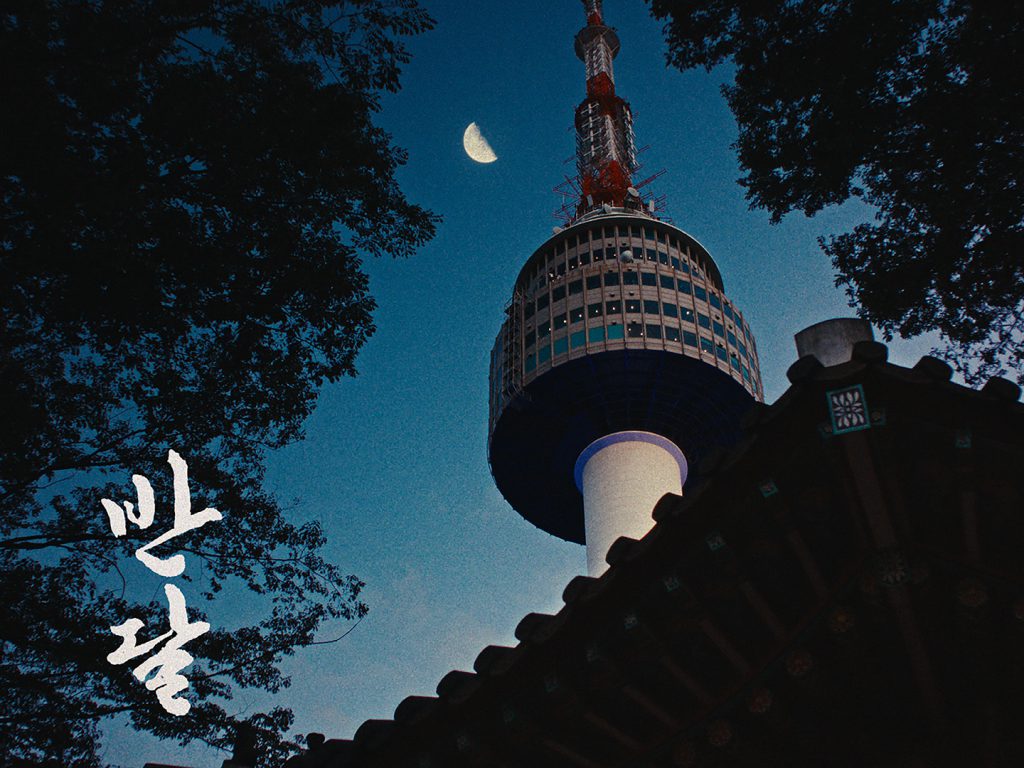
What challenges have you encountered while embarking on your film project? How did you seek to overcome them?
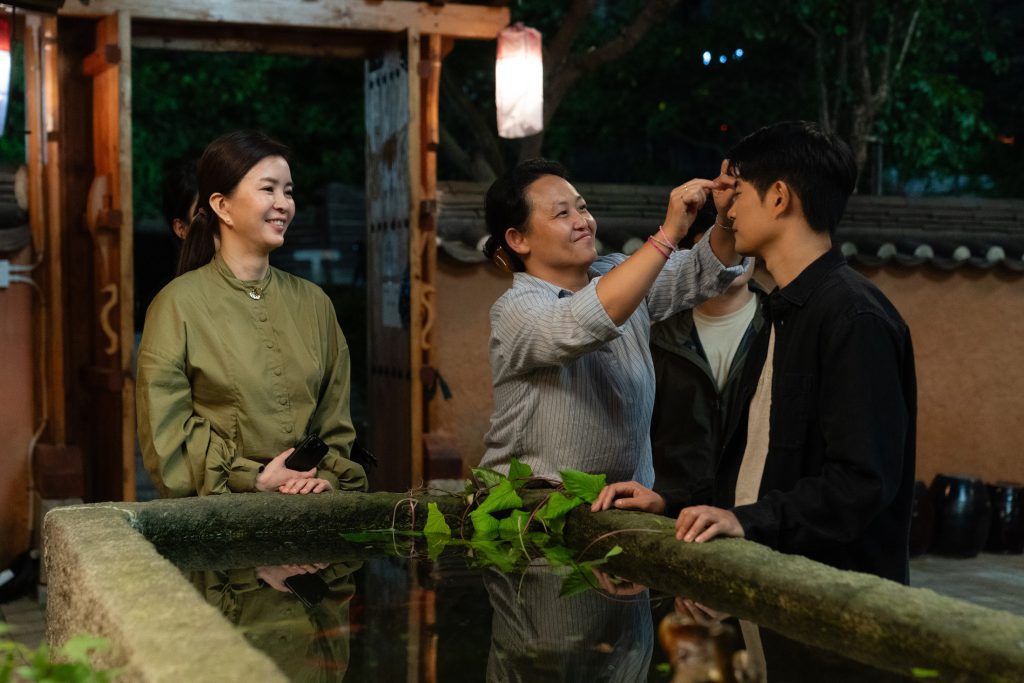
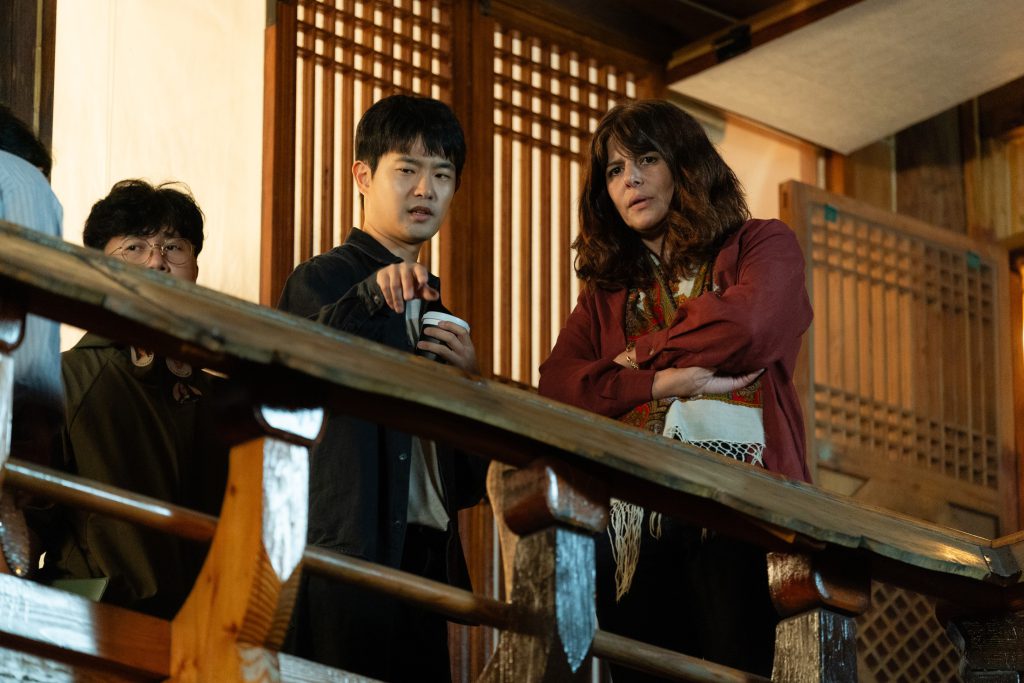
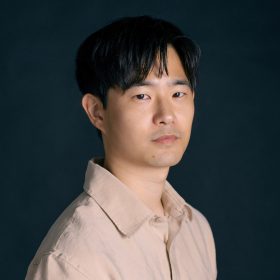
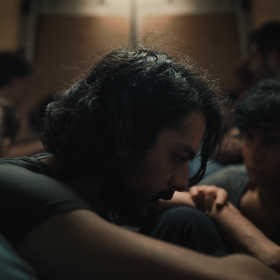
Despite holding a large casting call across the German-speaking regions of Europe, we couldn’t find the right person to play Joel, the Korean adoptee. So I decided to play him myself. Since it was my very first acting role and I had to switch between multiple roles on set, it was a huge challenge in itself.
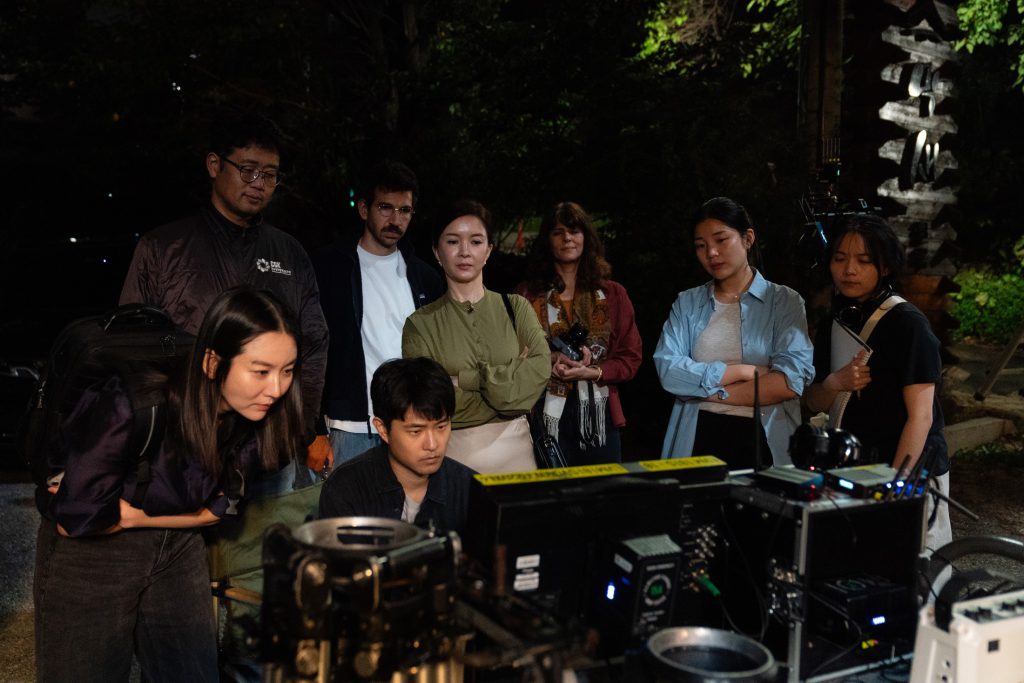
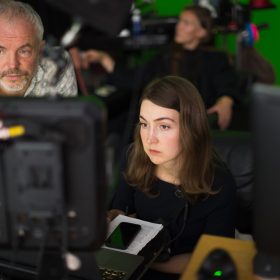
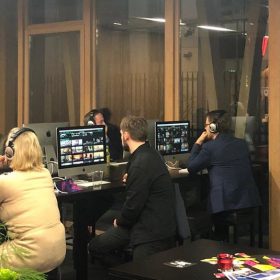
After each take, we took time to watch the playback, but to be honest, I was more focused on my own acting than on the whole film. Luckily, I could rely on my experienced actresses, as well as my cinematographer. I learned so much about directing through this process.
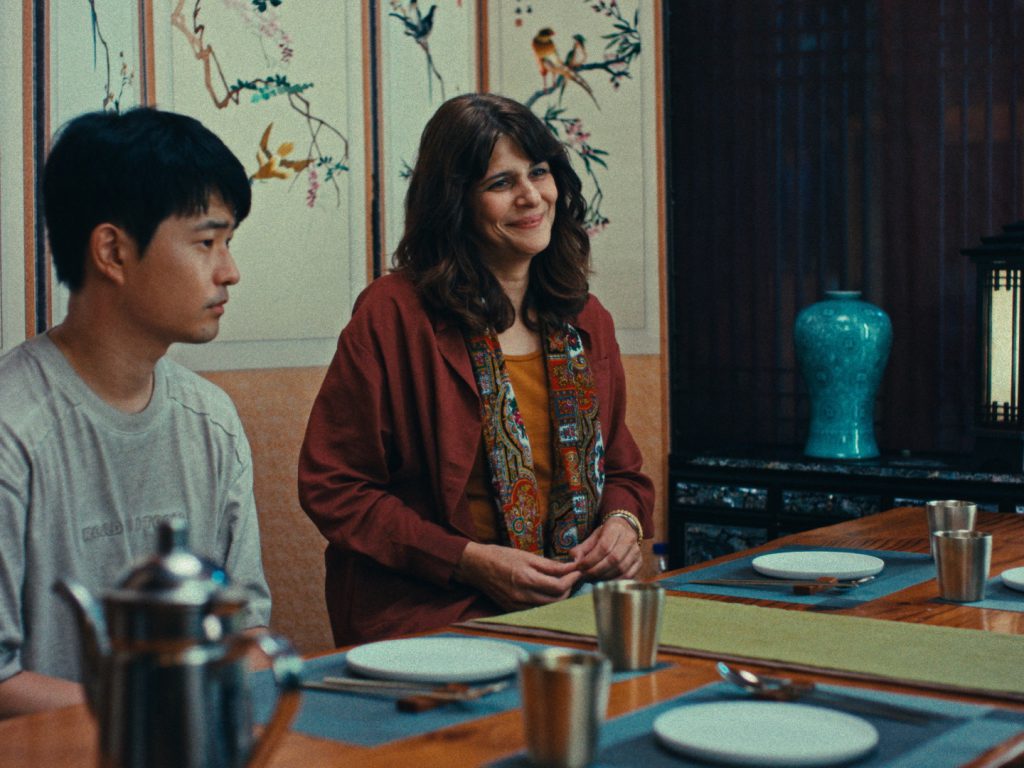
How was it to collaborate with your cast and crew? Do you work with “regulars”, or are you trying something new?
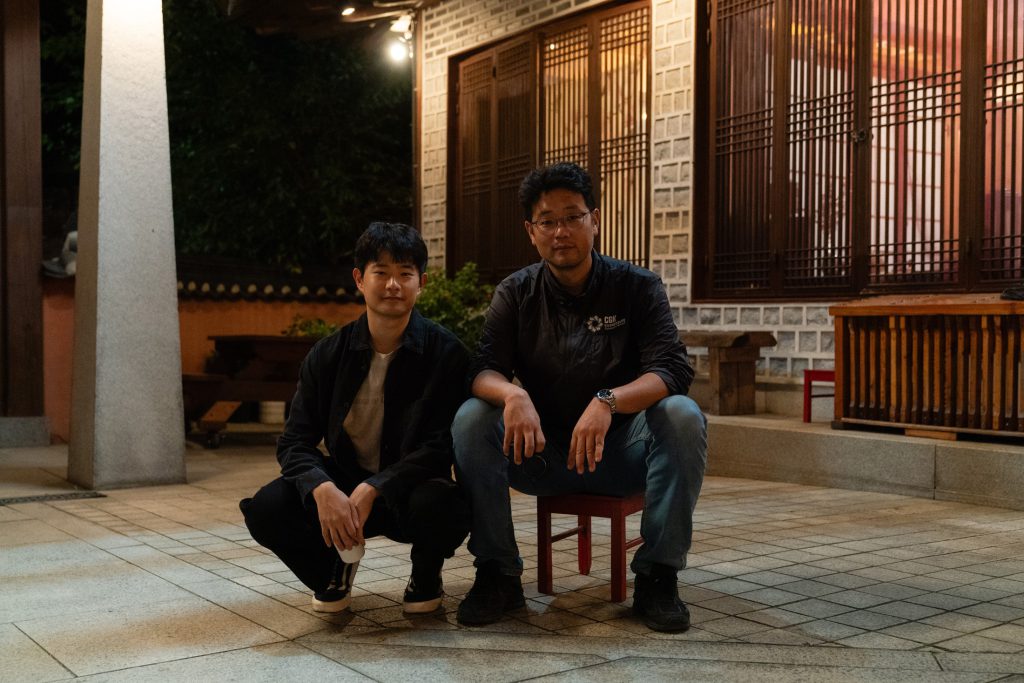
I have known my cinematographer since I was 14 years old. At the time, he was part of a world-traveling artist group that stopped in Switzerland. Years later, after staying loosely in touch, I found my own way into film and reached out to him for advice. We had our first collaboration on my short film UNFAMILIAR FAMILIAR, which became an important experience for me in understanding how the Korean film industry and film culture work.
BAN DAL (HALF-MOON) is our second collaboration in this constellation. Many of the crew members were people I had already worked with on UNFAMILIAR FAMILIAR. Because we already knew each other and had worked together before, there was a very positive atmosphere on set.I know that this won’t be possible for every project, but I would be very happy to work with them again anytime.
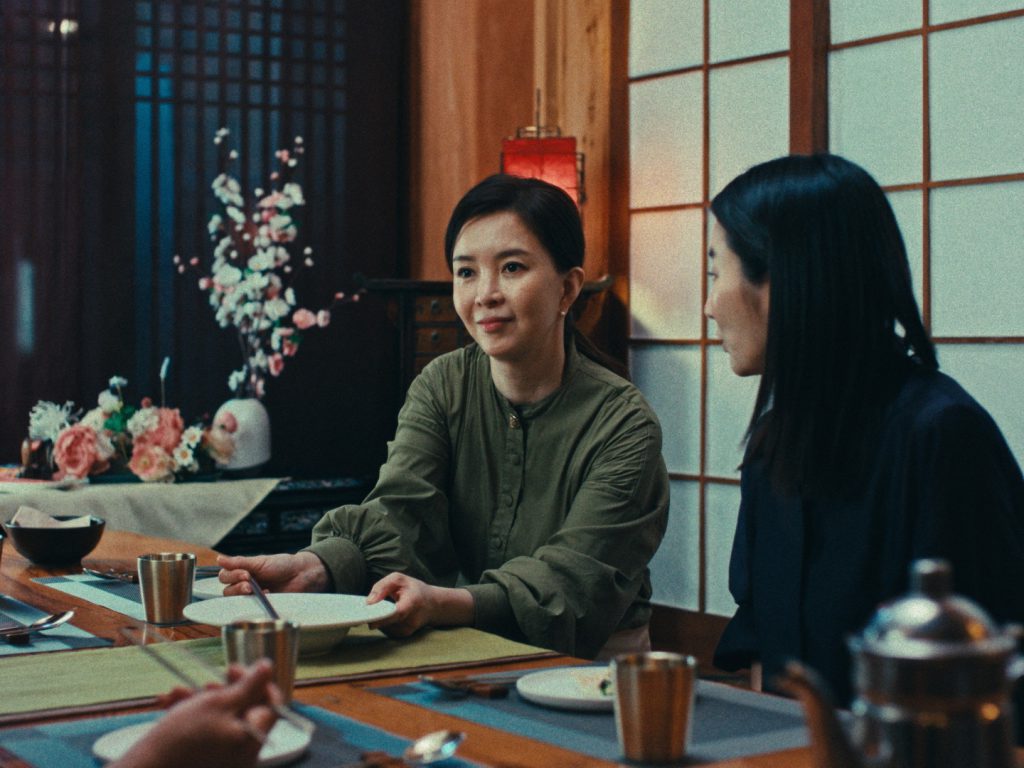
Can you share the most important lessons you learned through the process of making your film?
As a writer, I learned how to respectfully approach stories and subjects that may not seem close to me at first, while still finding a personal connection to them. As a director, I think I grew a lot through the process.
Making a film abroad is always ambitious and challenging, so this experience will definitely help me with future projects, which I imagine will often be co-productions. Lastly, as a person, I learned through all the encounters with Korean adoptees that mutual respect and humanity can break through language barriers.
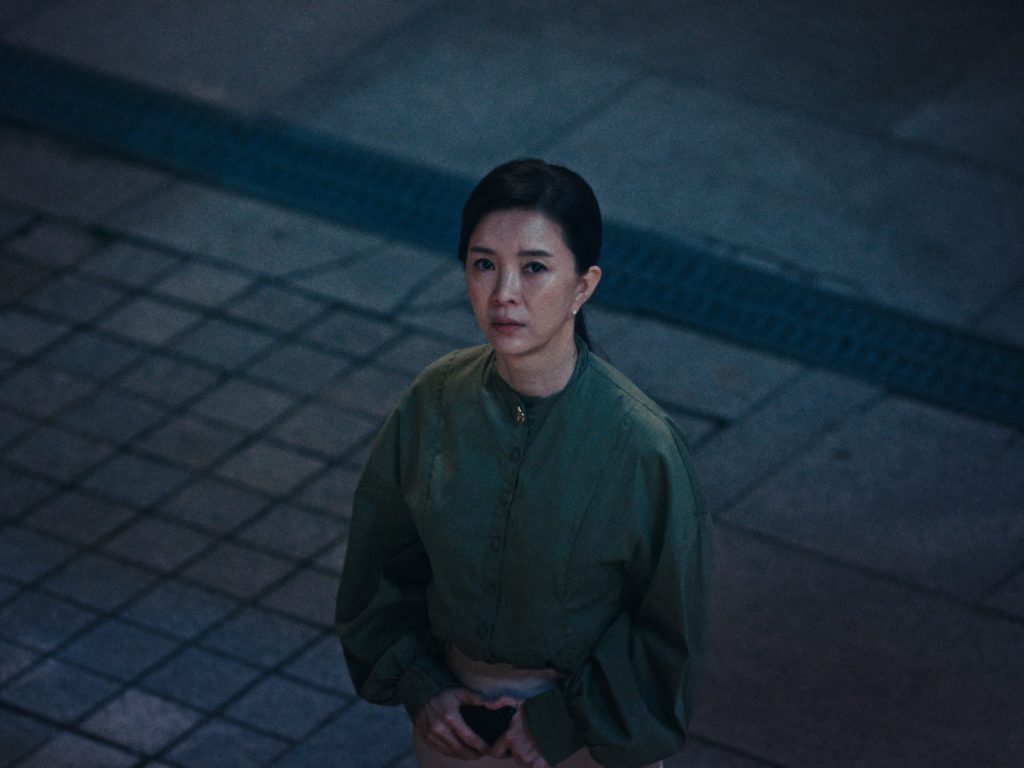
If you could go back in time to pre-production and give yourself one piece of advice, what would it be?
I don’t think I would give myself any advice, because the challenges were an important part of my growth. Of course, there are things I would do differently now, but I think I needed to go through the whole process exactly as it happened in order to learn from it.
What have you learned about yourself if you look back on your body of work? Are there any surprises from your subconscious?
Before I studied film, I was very introverted and shy. I would never have thought that I would become a director who has to represent a film, answer Q&As, face media attention, go to networking events, and pitch film ideas. Through growing as a filmmaker, I became more capable of doing these things and overcoming my social fears. But more than that, I gained more confidence as a person, and this also affected my personal life. Looking back at my films, I realize that I often return to characters who are searching for connection, identity, and belonging. Maybe that also reflects my own subconscious journey. Filmmaking has made me more open, understanding, and empathetic. In many ways, it has completely changed
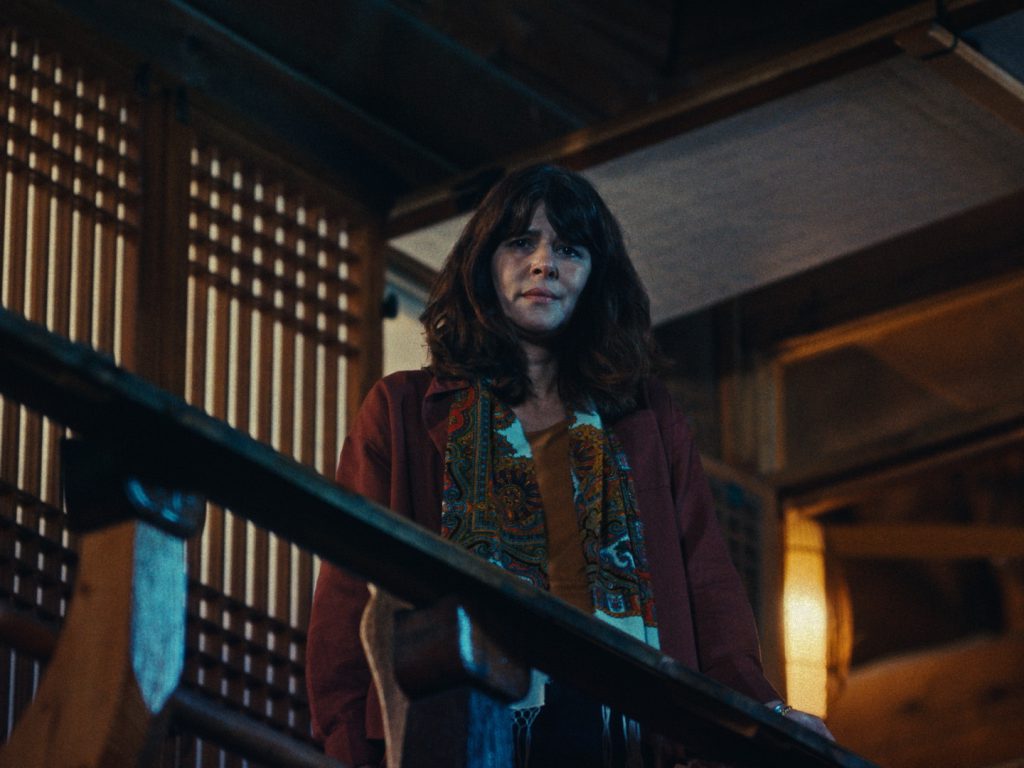
How have you found working within the film industry where you are as now? What have you found to be the biggest challenges in building your career?
I am very aware of how competitive the film industry is. Now, after my graduation, I feel exposed to the “real world,” away from the safe space that film school provided. Fortunately, I am working with Abrakadabra Films, a production company from Zurich, on my first feature film. Having an experienced producer like Claudia Wick gives me a similar sense of safety and guidance. But obviously, one of the biggest challenges will be financing our project, especially because there are so many great filmmakers, including many newcomers who are also trying to make their debut feature. I think the most important thing is to have patience, stay persistent, and just keep working.
Looking at the film industry now, if you could make one lasting change to make it better, what would you do?
I feel as if the gap between mainstream and arthouse cinema has become bigger in recent years, partly due to the rise of streaming platforms. If I could change something, it would be to create a stronger middle ground: films and platforms where artistic ambition and audience accessibility can exist together.
-SdwnB3Zv.js">