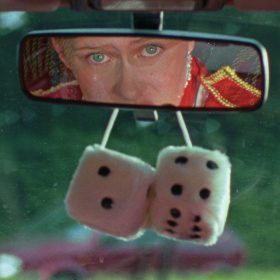
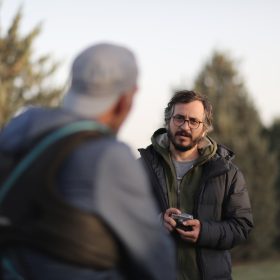
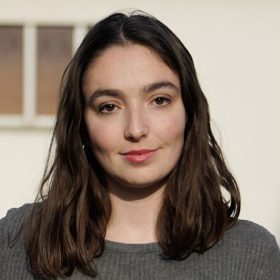
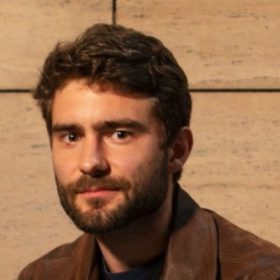
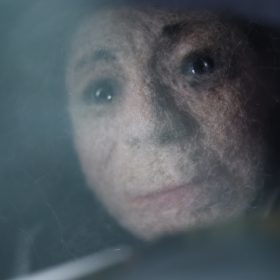
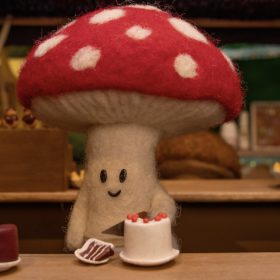
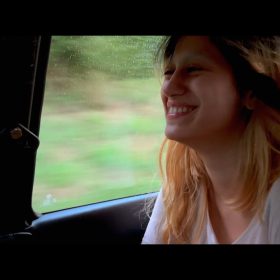
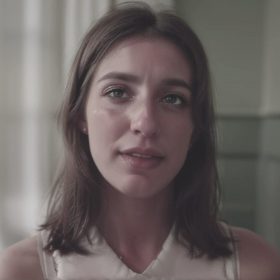
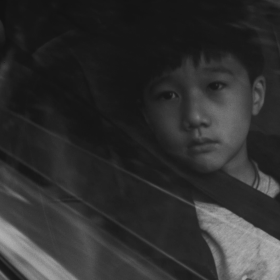
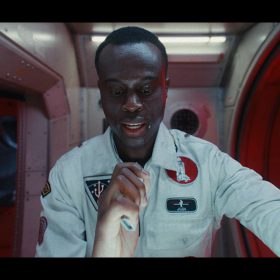
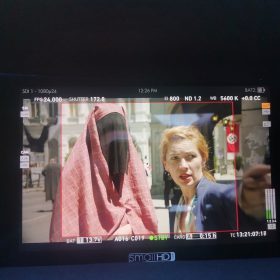
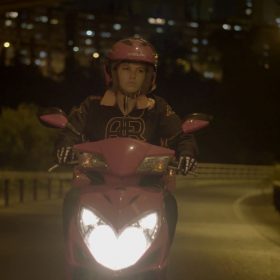
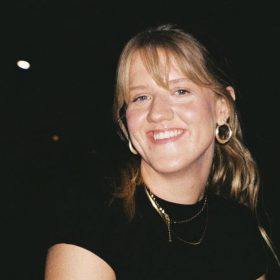
Filmmaker Esben Sloth was born and raised in Denmark, studied film in the Czech Republic, and harbours dreams of moving to Sao Paulo, all contributing to the aesthetic and themes of his 2025 T-Port Lighthouse-selected film ŽEBRA, which caught the eye of our Guest Curator Kasia Karwan.
We chatted to the filmmaker about his travels, creativity, and what it was like to work on a 2-day shoot with real film, a child actor, and the perfect staircase for his final short film project.
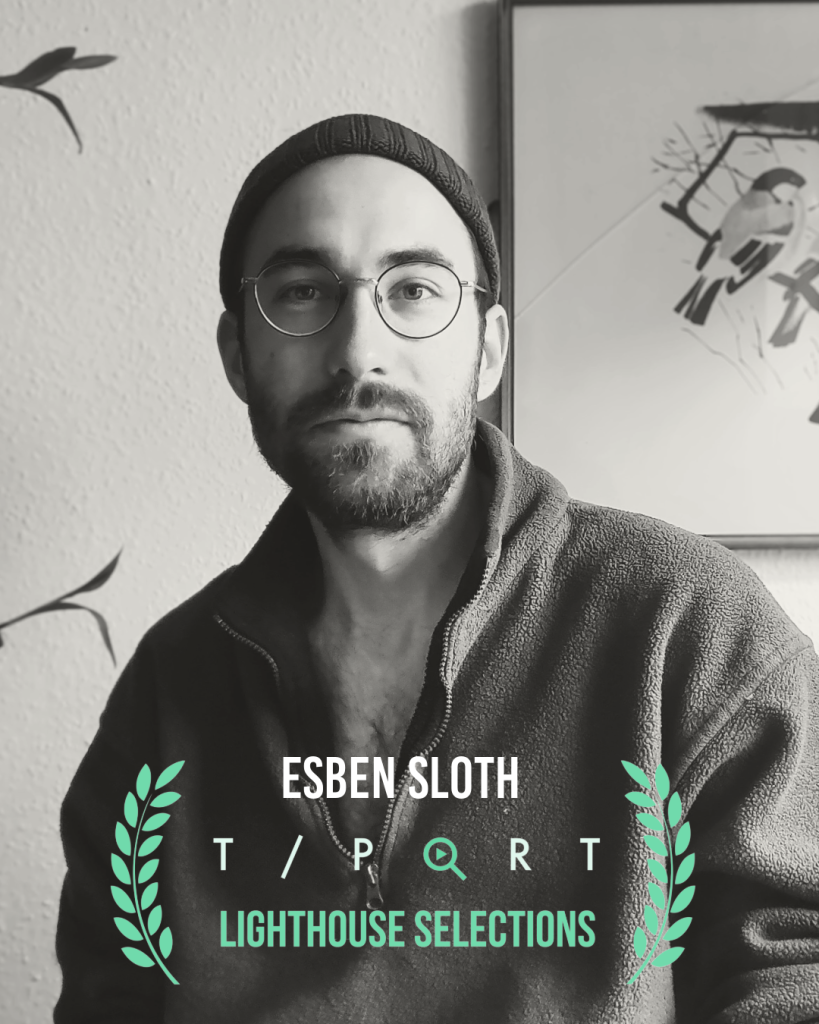
Hi Esben! Could you introduce yourself?
Hey, I’m Esben and I’m 31 years old. I grew up on a small farmhouse in Denmark, but for the last 10 years I have lived in Copenhagen – except the one year I was studying at FAMU International in Prague. Finally, early next year I’m planning to move to Sao Paulo, Brazil.
I think the Danes are mostly known for their hyper social-realistic films and crime series’, and I think I’ve always found myself a bit of an outsider to that. Probably also why I’ve been seeking more into the surrealistic and grotesque of the Czech art scene. And next year I’m seeking some new ideas in Brazilian cinema, which are probably much more about the spiritual and nature.
If you could watch one film forever on a loop – what would it be?
The Double Life of Veronique (1991 Krzysztof Kieślowski)
How many films have you made before this one, and what did each new film teach you?
Depends on what is considered a “film”. I’ve made A LOT of small films, video installations and school assignments, but actual films with a proper crew and budget are just two before this one.
Each has taught me so many things whether it’s production-wise, creatively or personally. But one takeaway is probably that there is no right way to make your film. Any process is valid as long as you believe in it and follow through from start to finish.
Do you affiliate yourself with any cinematic or artistic movements, or see yourself as fitting in with any?
As a Dane I’ve of course been very inspired by the Dogme95 movement and the way of limiting your options to free your own creativity. When I moved to Prague I got super intrigued by the Czech/Russian avant garde and I also took a lot of inspiration from the surrealistic Czech theater scene.
Since Prague I feel I’m turning more existential and emotional – maybe it has to do with the fact that I truly fell in love when I was there…
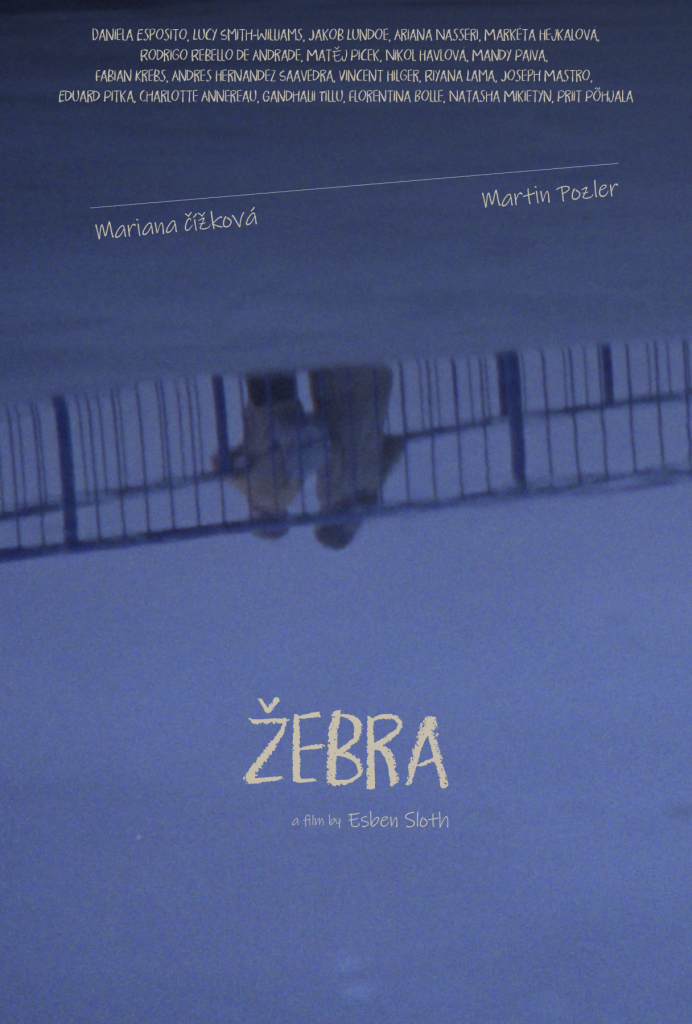
How did you first start working on this film? What was the process like and what first sparked the idea to make it?
This was our final project at FAMU and I had just finished making a very personal documentary, so I actually didn’t have any clear idea of what to do. I remember I pitched an idea to my screenwriter Daniela about a clown that has been with me for years. But it didn’t quite stick with her and she then instead started sending me her ideas and in it was a short story she had already written which I instantly fell in love with and I asked her if we could do that instead, and she seemed very excited for that because one day later she had finished the first draft of the script and sent it to me! And then the project developed from there…
Once you had the idea – how did you go about the production process?
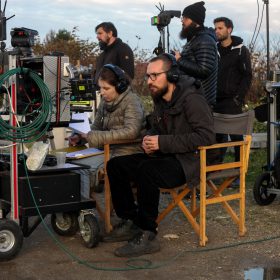
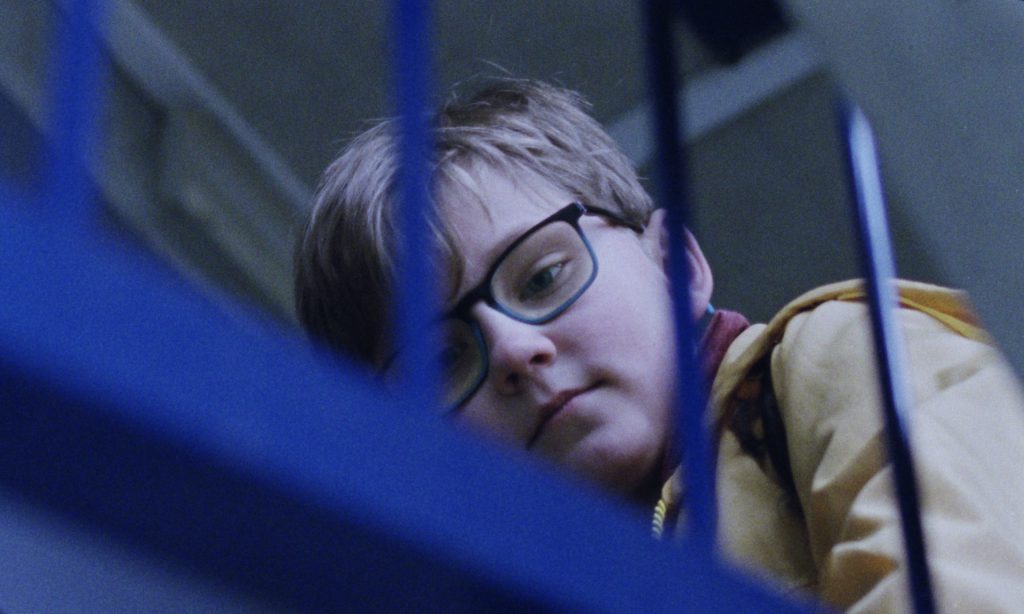
As it was a school project, it was quite straightforward. We had three 16mm film rolls (~30 minutes of footage) and 2 shooting days to deal with – nothing more, nothing less. The most important was to find a kid, a mom and a brutalist staircase that would be high enough for them to play the macabre game.
Everyone helped in finding the staircase, just taking pictures of every single option they found in town. Our lead actress Mariana we found in an open casting hosted by the school and the boy we had to search far and wide at various theater schools etc. Due to school deadlines and a lot of other classes, assignments and fellow students projects everything had to go super, super fast.

What were the biggest challenges you encountered during making your film?
Two minor things: Limitation of film stock and shooting days and one major: working with a 10 year old boy who did NOT understand why that game was fun to play! But it worked out.
How was it to collaborate with your cast and crew?
Daniela the screenwriter and I are continuing our collaboration and are currently in production with our next short film together. I definitely see us making a feature film one day together. She is an amazing writer, friend and collaborator.

Tell us about the sound choices in your film
We wanted it to be a kind of vacuum. As if they were in a dream world. I wanted the audience to be in doubt whether what was happening was real or a memory.
Tell us about the visual choices in your film. What were your main goals and techniques in creating the visual style of your film?
We were very inspired by Krzysztof Kieślowski and especially the first episode in “Dekalog.” We wanted the same harsh and cold environment. The blue colors of the film were simply embraced because of the location we found. We wanted to create a feeling as if the building was a character itself. So we were very deliberate and strict on when we were doing handheld and being playful with the characters vs. when we were “static” aka watching from the building’s POV – and also when we would break it with a pan, for instance.
What would you do differently if you could go back and do it again?
Be less ambitious with the amount of shots and more ambitious about what was inside each shot. We didn’t have enough prep time to do each shot because we only had two shooting days, so I would’ve preferred to dive more into each individual scene more and then just created less of them.
Did you have a specific strategy for promoting your film? If so, please tell us about it.
Not at all. It was my first time distributing any film. I got some insights from teachers and students at the school and I tried asking short film distributors to take it but with no luck. So mainly I just crunched through a bunch of festivals and openings that I could find and that seemed interesting. I quickly realized that it was a super expensive affair, so in the end I didn’t send it to many festivals.
What did you find (or still find) as especially lacking in the process of distributing and promoting your film? What was especially challenging?
Getting funding for it, and knowing what would make sense for the film. As a director I’ve only taught myself how to make them, I’ve got no clue on how to promote them. There are so many opportunities in the world for any film, but finding the right fit for exactly your film is tricky.

What do feel young film talents lack the most today, after graduating from film school?
I think too many schools are focused on production, aesthetic and the mathematics of “the great script”, while not spending energy on encouraging experimentation and creative development of each individual filmmaker’s film language.

What’s next for you?
Currently in production of my next short film – first short outside of school context. After that, hopefully the development of my first feature film.
Submit Your Short To T-Port Today
T-Port films are only accessible to professionals, so your premiere status will not be affected.Stake your place in the next generation of filmmakers waiting to be discovered for only 15 Euros / year.
Find out more on our website and get started with T-Port today.
Or sign up for our newsletter to get regular updates on the current trends and exciting innovations in the short film universe.