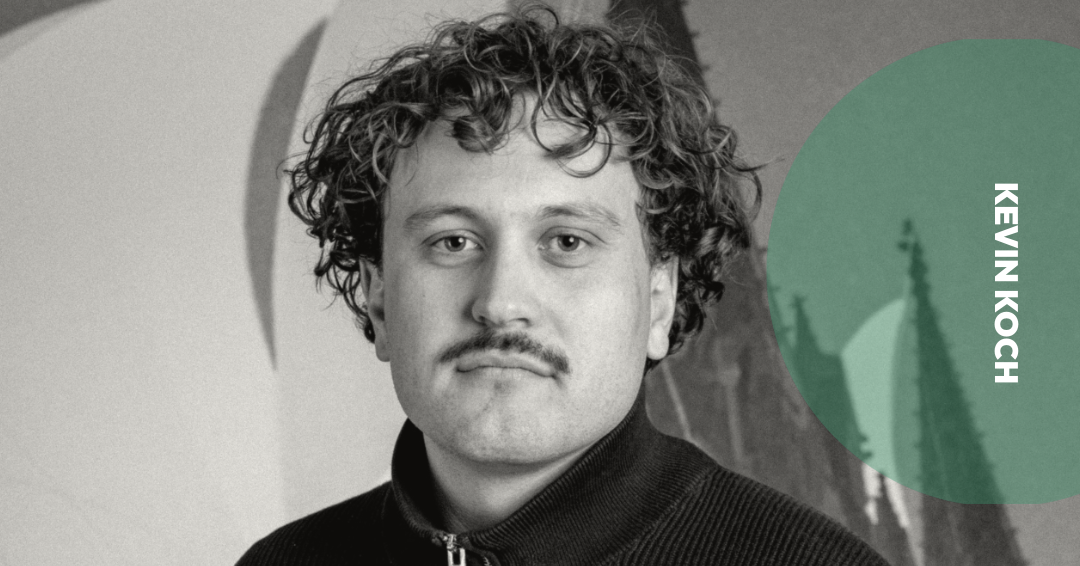
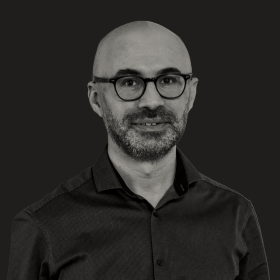
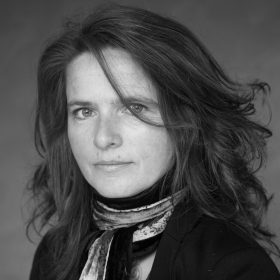
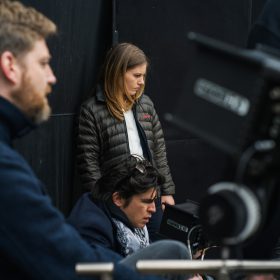
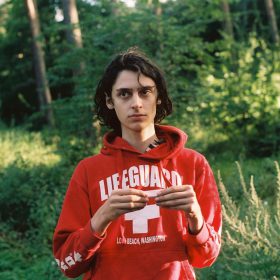
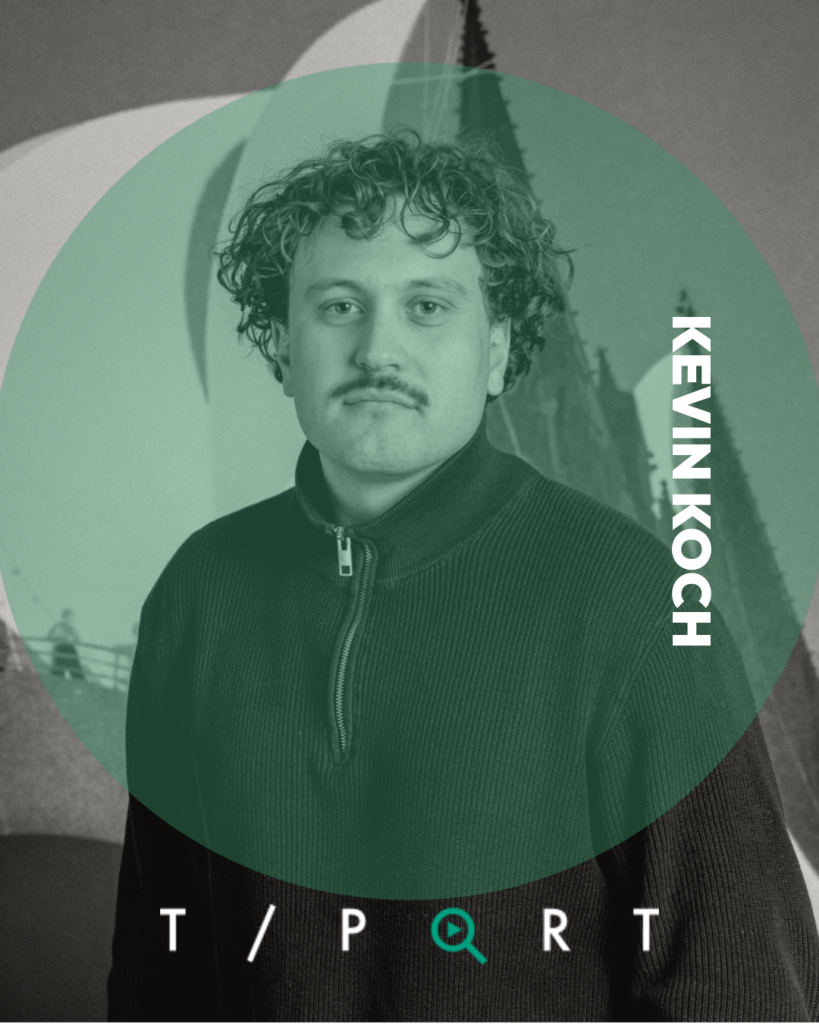
Kevin Koch (he/him) grew up in the German countryside with an outdoorsy existence, that led to his love of filmmaking.
We caught up with the filmmaker to find out more about his recent shorts, including MOTHER OF A SON, which was picked by AG Kurzfilm for their 2026 New German Films collection, and appears on T-Port for Professional Subscribers to watch.
Hi Kevin! Would you like to introduce yourself in a few lines?
Hey guys, I’m Kevin Koch, born in Munich but raised in the German countryside, living the village life in Biberach an der Riss. I got into photography early, shooting mostly birds. As I grew older I started skateboarding, skiing and surfing, and soon started filming my friends. Together we made a handful of fun action sports films that we screened at our local cinema.
Through friends from my hometown, I got the chance to make a documentary in Manila, Philippines, about one of their art projects. They painted huge portraits of people who had been relocated from the city’s slums to its outskirts, an area with no work, so many of them soon drifted back to their old homes, something the government was trying to prevent.
After that, I made a feature documentary with my best friend at the University of Bayreuth, about a young homeless woman my own age. That film got me into the directing program at Filmakademie Baden-Württemberg, where I’ve spent the past six years making shorts and experimenting across animation, documentary and live action. My love of live action really grew out of my exchange semester in Paris at La Fémis. Since then I’ve made three fiction shorts. The latest, MOTHER OF A SON, you can find right here on T-Port.
Why did you choose film as your medium? Is it your only artistic outlet or do you have others?
My parents don’t come from a filmmaking background. My dad worked as a photographer alongside his studies, and my mum was a journalist, so there was always an interest in images and stories at home. As a kid I’d spend hours observing birds, and before long I wanted to photograph them. That, as I mentioned, was the starting point. In the end I chose film because it unites so many art forms: writing, images, sound and music. It’s such a rich medium, with endless possibilities to tell stories that reach so many senses.
Do you have a philosophy behind your filmmaking? Or do you feel like you belong to a particular artistic movement from the present day or past? Could you tell us about it?
Honestly, that sounds like a question you could ask me in thirty years, once I’ve hopefully made a few feature films, and even then it’ll be up to other people to put me in a box or tie me to a movement. Right now I just try to tell the stories that feel most urgent to me, the ones that need to get out there. I try to think as freely as possible while still setting limits for myself, because I know I work best within a certain frame, whether it’s money, time or budget. I need constraints in order to come up with something good. Otherwise I just meander around. So if I had to name a philosophy, it would be something like: you don’t need much to make something good. A strong story and a solid script are the essential starting point.
If you could watch one film on a loop forever, what would it be?
That’s a tough one. One of my favorite films is BEGINNING by Dea Kulumbegashvili, but it’s not really something I’d want to watch on a loop forever. I’d have to name a few others, and maybe this selection I could. There’s CLOSE by Lukas Dhont, a film that makes me cry every single time. RMN by Cristian Mungiu, a masterclass in writing and directing where I find something new with every rewatch. And more recently, THE BEASTS by Rodrigo Sorogoyen, one of the best thrillers I’ve seen in a long time. I’m just realizing that 2022 was a great year for cinema! The newest addition to my loop selection is EVERYTIME by Sandra Wollner, a film that moved me as much as Close did. A real gem.
Tell us about your film that’s on T-Port. What is it about? How did you choose to tell its story?
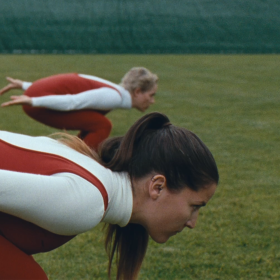
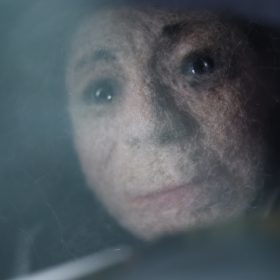
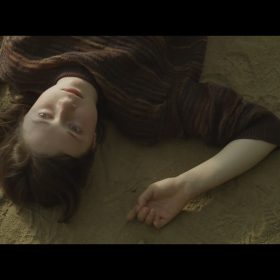
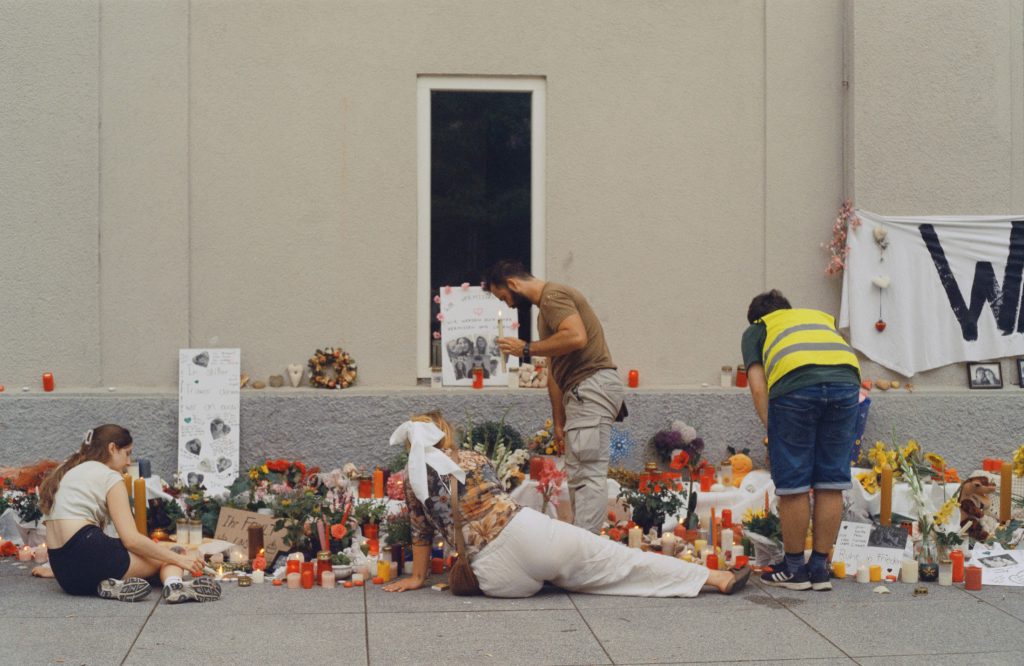
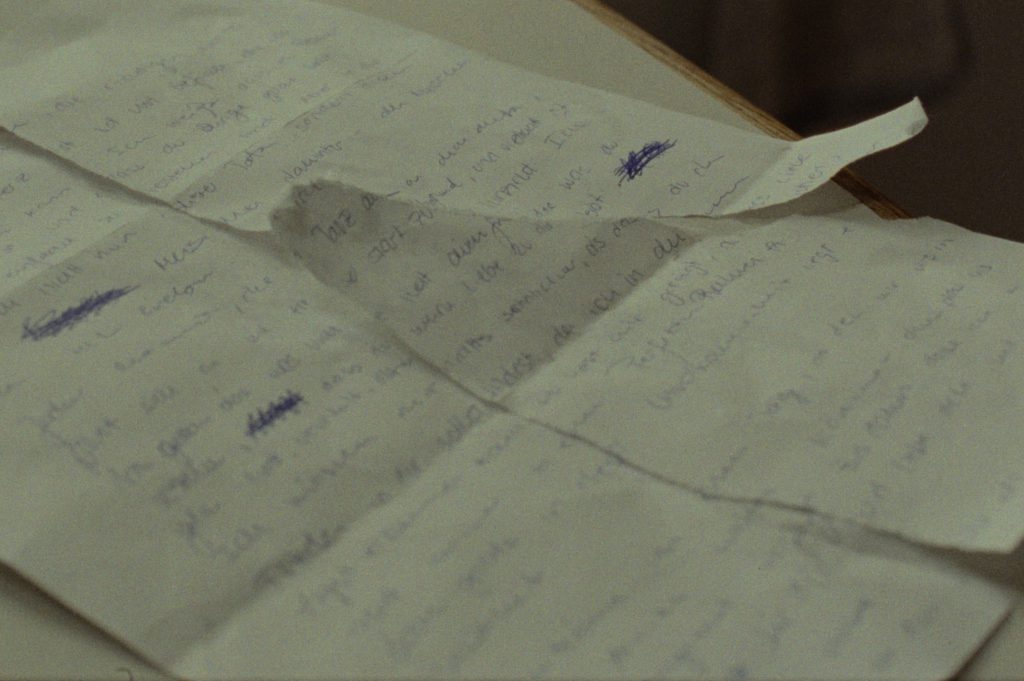
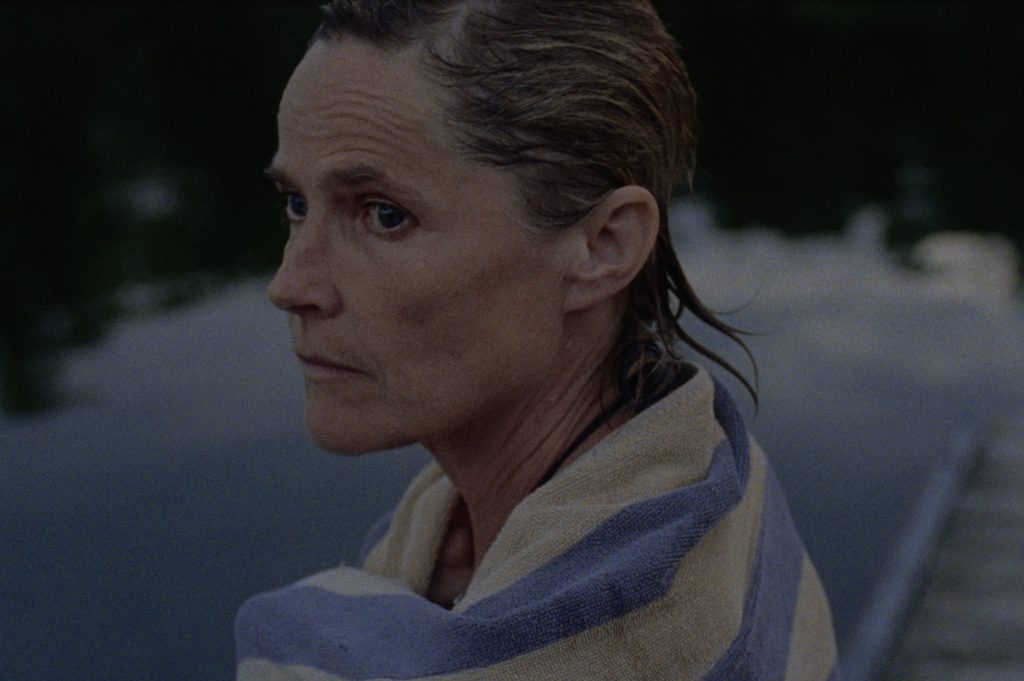
MOTHER OF A SON is a short film about a mother who, a year after her son’s act of violence, tries to come to terms with what he did, caught between unconditional love and the weight of his terrible legacy.
As always, it took a while to find the core of what I wanted to tell. It sounds simple, but getting to the heart of a story is actually a long journey. For me, in the end, it’s a love story about a mother who loves her son endlessly, even though he did the worst thing imaginable. It’s a film about guilt, love, shame and, above all, forgiveness. That’s something I deeply admire, when people find the strength to forgive.
But from the beginning: during my exchange at La Fémis in Paris, I lived close to the streets where the 2015 terror attacks happened, and I started doing some research. I’d also gone to see a game at the Stade de France, and it gave me shivers to think about that night when the terrorists tried to get into the stadium. While researching, I came across the story of Salim Toorabally, a stadium guard who stopped the attackers from getting inside.
While writing the script, I realized this wasn’t the story I wanted to tell, even though I deeply admire Salim, whom I also met at the Stade de France in 2023. Then I found a YouTube video where the mother of one of the suicide bombers phoned one of those helplines where you can call a stranger and share something from your life. She said she had no place to grieve, that society condemns her for her son’s actions. And immediately I thought: that’s the story. A long conversation with my own mother, in which she told me she would still love me even if I did something terrible, sealed it. I think our world needs this right now: compassion, even when it’s hard. And it’s hard for me too.
Tell us about the production process on that film, what did you learn? Which parts did you enjoy?
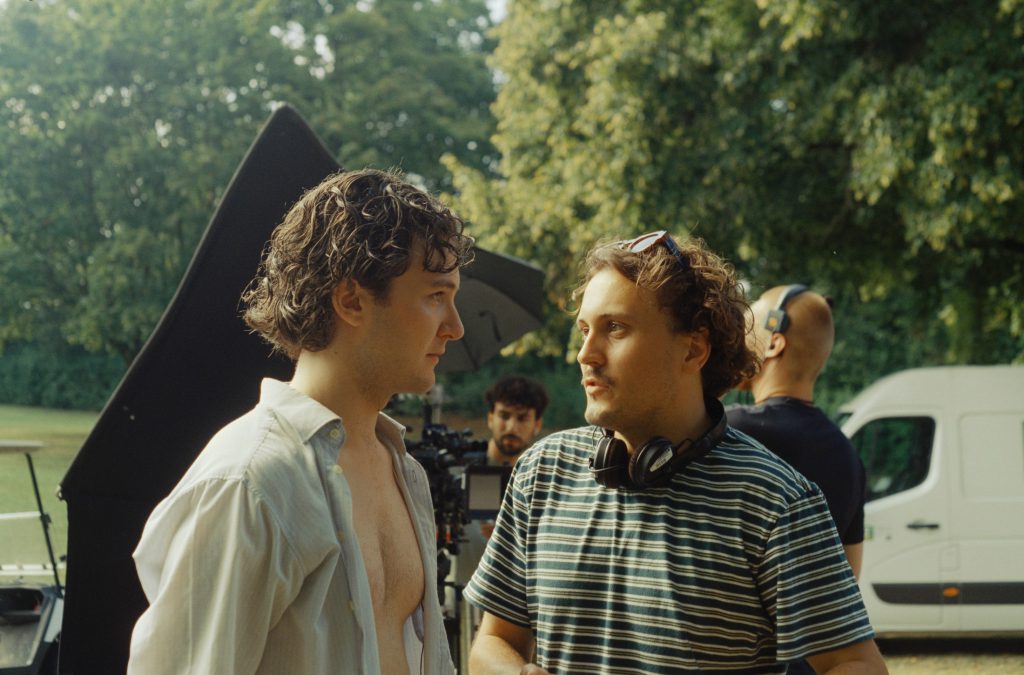
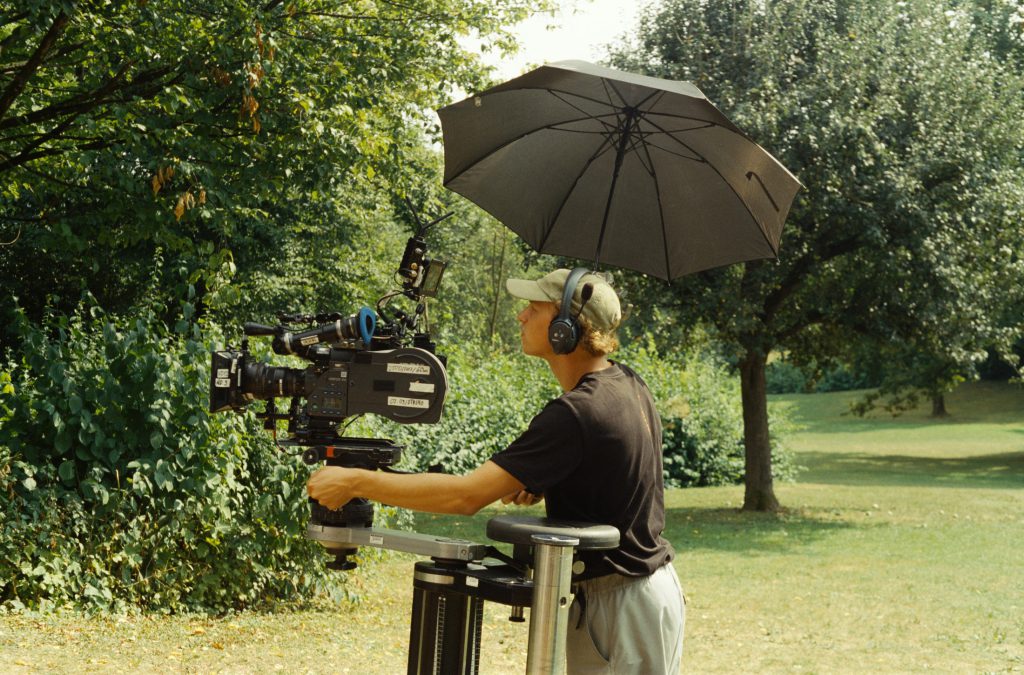
I learned, maybe obviously, that you really need a strong script. Even for a film like Mother of a Son that doesn’t have much plot. Getting a feeling across is difficult, so you have to know exactly which nuance each scene needs to carry. Honestly, I enjoyed the whole process, especially shooting on film. Not because it looks better, but because the whole atmosphere on set is different. Everyone knows that once the red button blinks, it gets expensive, so the focus was really there. Besides the technical side, working with an actress as experienced as Karoline was a blessing, and one of my best directing experiences so far.
What challenges have you encountered while embarking on your film project? How did you seek to overcome them?
When you work in an international team with English as the main language, you run into difficulties. It’s easier to work in your mother tongue, but bringing in English was essential for us, so that more international people could join the crew. Trust is a big topic too. As a director, I felt I had to earn it every step of the way, especially with team members I hadn’t worked with before. And even when you work with friends, you usually have the best time, but there can be struggles when friendship and work are so closely connected.
How was it to collaborate with your cast and crew? Do you work with “regulars”, or are you trying something new?
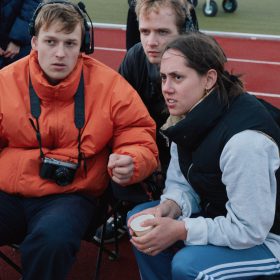
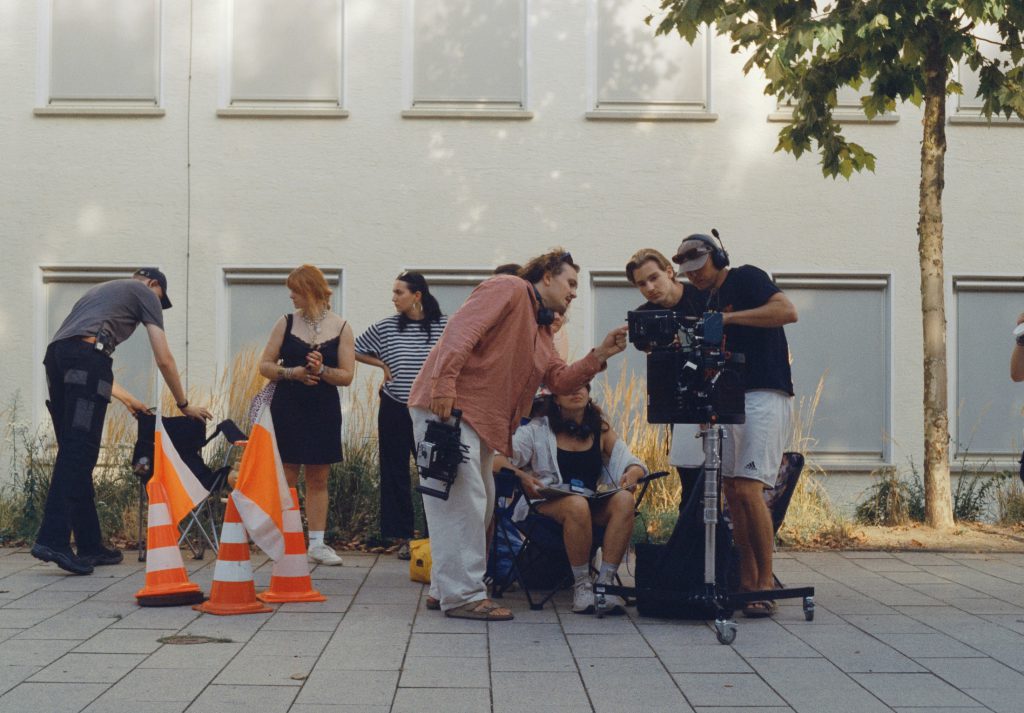
I work with almost the same people every time, because of that trust I mentioned. It’s something we’ve built together over the last few years, especially with my DP Anian Krone and my editor Emma Holzapfel, who’ve been with me on nearly every film. Beyond that, I work with Greta Baumann, an amazing casting director from Germany, and costume designers Lene Lohrmann and Luisa Holzapfel. On the cast side, we were very fortunate to work with Karoline Eichhorn. She’s the heart of the film, and I couldn’t be happier with her performance. Off set, she’s also a fabulous human being. And if we get my first feature financed, fingers crossed, we’ll work together again.
Can you share the most important lessons you learned through the process of making your film?
It’s cheesy to say, but: trust your vision and your gut, and just do what you feel is right. That’s the beauty of short films. They come together relatively quickly, and you have far more room to experiment than with a feature. It’s easier to fail, I’d say.
If you could go back in time to pre-production and give yourself one piece of advice, what would it be?
Relax a bit more. It’s always just a film. Obsession is good and important, but there’s another Kevin next to the filmmaker.
If you’ve been filmmaking for a while – what have you learned about yourself if you look back on your body of work? Are there any surprises from your subconscious?
I think I’m blind to that. But one of my mentors, Léa Pernollet, whom I met at La Fémis where she was our script tutor for Prince de la ville (also here on T-Port through the Encourage Berlinale showcase), sees a signature in every one of my short fiction films since then. For her, it’s the way I use close-up shots of faces. Very interesting, but I’d never have noticed it myself.
How have you found working within the film industry where you are as now? What have you found to be the biggest challenges in building your career?
It’s quite a tough business, with very high highs, like when you manage to make a film and present it at a major festival, but also very low lows, because we have to live with far more rejections than selections. And not just at the distribution stage, but, more importantly and more frustratingly, in financing and casting. Right now, my biggest challenge is making my first feature film. It’s a different beast, and I think reality hit differently here for my idealistic, optimistic and maybe naive self.
Where do you think film graduates or beginner filmmakers have gaps in their knowledge or barriers to the industry?
Definitely in distribution. Most students I know have really no idea, and I can’t blame them, because we simply don’t learn enough about this side of filmmaking and how the industry actually works. I have to admit, it took me years too, and I still don’t fully understand how this industry works.
How have you felt about the distribution side of the film industry? Do you feel prepared or knowledgeable?
After years of filmmaking in film school, I feel more prepared. Not because we learned it in school, but through learning by doing. With every short film, I picked up something valuable for the next. It’s like climbing a staircase, one step at a time.
Looking at the film industry now, if you could make one lasting change to make it better, what would you do?
I think the entry barrier to this industry is far too high. Even for me, a white, middle class man, it’s tough to make films while having to work on the side. Even if you get selected for a festival, the festival often doesn’t have enough funds to cover the full trip, meaning the train ride, the flight and the accommodation. So if you spend a week at a festival somewhere, you usually end up paying for extra nights, travel and food yourself. It adds up, and if you have a good festival run, you can spend hundreds of euros out of your own pocket. Not to mention submission fees. And I don’t want to blame the festivals here. It’s tough for them too. It’s the countries that need to invest more in these festivals, because they’re platforms we deeply need as upcoming filmmakers. My concern is that there’s always less and less money for culture. Some smaller festivals have already had to close, and even bigger ones are struggling. And with these high costs, we keep ending up with filmmakers from similar backgrounds telling the stories.
Is there anything else you would like to mention?
Just that, besides all the struggles, filmmaking is still the best thing there is. Every profession has its downsides, and this one is no exception, but I wouldn’t trade it. I’m very optimistic about the films to come. Even if I sometimes can’t see the light at the end of the tunnel, I know it’s there. It’ll come.
.