If we saw every ‘no’ as a failure, we would all be failures
Alessandra Pastore on filmmakers’ foibles, and the power of ‘no’Date: October 27, 2026
Posted by: Jess Sweetman
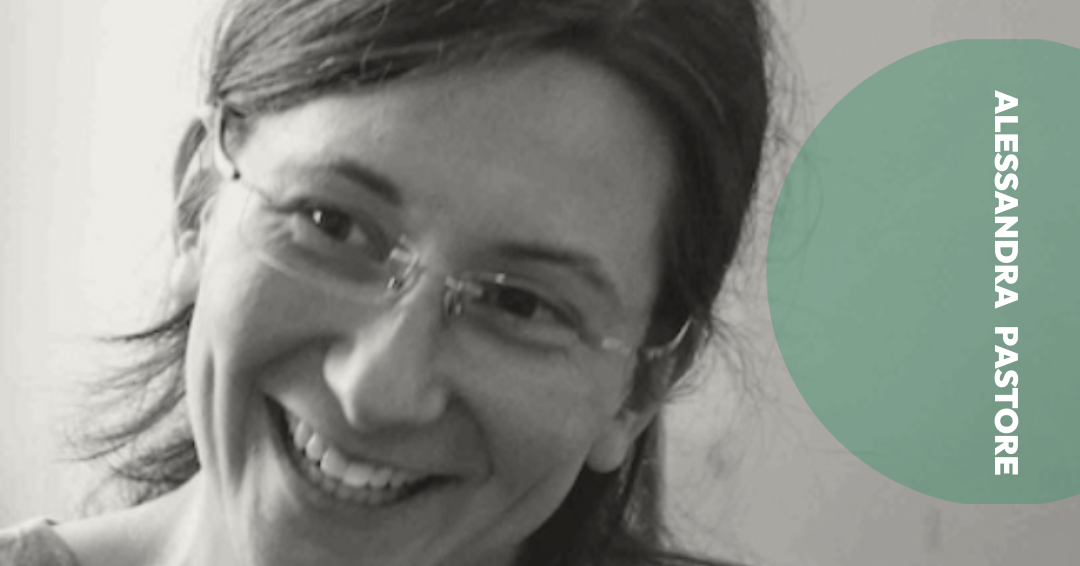
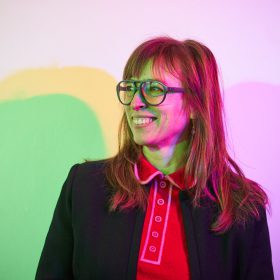
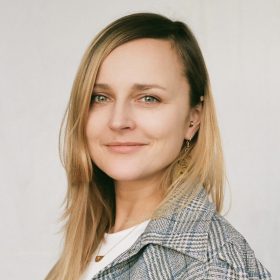
Alessandra’s experience in coordinating vocational programmes, acting as an expert in international film funding circles, as well as coordinating film markets, and dabbling in programming, make her a go-to expert with a lot to share with filmmakers who are fortunate enough to cross paths with her.
Here she shares about common mistakes she sees coming from filmmakers when approaching film markets or international co-production, the incredible power of a “fast no”, pitching secrets, and her top three tips for filmmakers starting out.
Read the interview below for all of the info, and then you can sign up to the workshop on Nov 25th, to hear more from Alessandra in person.
You have spent a great part of your career coordinating co-production opportunities for filmmakers. What do you think the biggest mistake that early-on filmmakers make when first approaching potential opportunities in the market?
First and foremost, it’s about understanding the market context. A film market is certainly a space where demand meets supply, but it is vital to understand who is who, what each professional does and all the different roles.
The most common mistake I see emerging filmmakers make is failing to understand how a producer’s job actually works and, as a result, expecting a quick “yes” simply because they have a strong or compelling concept. While a great concept is undoubtedly the primary pillar, what truly makes the difference is the comprehensive process that begins once you decide to develop an idea into a film.
In this stage, several pitfalls frequently emerge: filmmakers often present packages with a locked script, pre-assigned creative heads, and fully attached crews. Producers, in their search for funding and co-production partners, need room to maneuver. They need the flexibility to explore new opportunities, which often involves bringing in external talent or partners for both creative and financial reasons.
Another common misstep is becoming so focused on one’s own pitch that the broader ecosystem is overlooked. Watching other pitches and having casual conversations with industry professionals, especially when you have nothing immediate to ask or pitch to them, are some of the most valuable learning experiences you can have.
Ultimately, moving from a great pitch to a tangible partnership requires patience, active listening, and an understanding of the long-term business strategy behind co-productions.
From your background in working with film boards, what did the most stand-out and successful pitches you encountered contain?
The most memorable pitches always showed great consistency and honesty toward the project. A pitch is not a show. It is a starting point: for a fund, it is the first step toward backing a bet on your project, and for a partner, it is the start of working together for years. So it should show who you really are and why you are the right people to make this project.
They also showed deep knowledge of the subject and real clarity about what the filmmakers were looking for. When a fund or a partner comes on board, they commit real money and time, so they need to understand exactly what the project still needs. A good application or pitch does not present a “perfect” project. It shows clearly what is missing and which weak points this support will help to fix.
This means being honest with yourself and thinking carefully about what the project really needs. It is not just about money, but about strategy, and about how this funding or partnership fits into your development plan.
Curiosity about the broader industry ecosystem has always been my guide. I actually started working on set, but I quickly realized I didn’t like the constant high tension, I simply couldn’t handle it :). Still, I wanted to stay in the industry, so I decided to explore the surrounding landscape and discovered the world of development: legal affairs, financing, and the producer’s strategic role, which I liked much more than set production.
So, I took a step back and began coordinating international training programs for producers. While managing practical logistics like flights and hotel bookings, I had the privilege of sitting in on sessions, listening to top experts, and learning directly alongside participants. Gradually, I expanded into project consulting. As my professional network grew, I moved into film markets, which felt like a natural step because I knew them better and better.
Today, I combine both worlds. For instance, with Ties That Bind, I continue to design and lead training initiatives for producers across Europe and Asia, bridging market expertise with professional development. My approach is in the end quite simple: look for what the industry will need next, and then build training programmes or markets to meet that need.
Five years ago I got a call from the Venice Film Festival, from the International Film Critics’ Week (SIC). I admit it surprised me, because it was outside my market world. But that is exactly why I found it fascinating. It gave me a different view of the industry, and now I look at projects and films with a new perspective.
During the T-Port workshop we are exploring ways that filmmakers can become resilient even when their projects fall through, what are some tips for filmmakers to learn how to deal with rejection?
There are two sayings in our industry that I really like: “I fail good” and “Fast NOs make friends, slow NOs make enemies”.
I actually appreciate fast NOs. They let me move on and explore other options, instead of waiting months for an answer that never comes. A quick “no” is useful, and it is also respectful of your time. It gives you the opportunity to stay in good contact with people: you know them and their needs and maybe next time you’ll be able to present them a project that fits them more. So through NOs you create your network.
In this business, a “no” is the key to growing. First of all, a “no” is not always a judgment on quality. It does not mean your idea is bad. It may simply not fit that producer, that company or that fund, or the timing may be wrong for them. The best thing you can do is try to get feedback and understand what is not working. I know that is very difficult. But if you pitch to four people and all four point to the same weak spot, it is time to question it, even if you think it is perfect. It also helps to share your ideas with professionals in your network before the official pitch, so you can see earlier what needs to change.
I am often on this side too. My market and training projects are all based on partnerships, including financial ones, that I rebuild every year, and I get a lot of “no”s. But a “no” with a reason helps me understand what that partner is looking for next year, and whether I can really offer it (or simply it is not the right partner).
We tend to see rejection as a failure, but it is actually an essential part of development. Every project goes through many “no”s on its way to becoming a better project. If we saw them as failures, we would all be failures!
What are three things that filmmakers should be thinking about from the beginning of their projects, when it comes to the business of filmmaking?
The first is the audience. Filmmaking is far too expensive to be treated as a mere hobby—and if it were just a hobby, there would be no reason for the industry to finance it. We should all aim for an audience beyond family and friends. I don’t mean mainstream or generic blockbusters, but a specific one: people who love this kind of story.
The second is to know the different players in the industry and how they work, and European cinema, the films that are part of our own ecosystem. To be part of this business, you need to understand who people are and how they work: aspiring directors need to watch European films, aspiring screenwriters need to read European scripts. And you also need to understand the roles of producers, sales agents, distributors, and festival programmers. Knowing the roles helps you build your network, relate to people in the right way and, very simply, present yourself and your project.
The third is something that is hard to hear: creative, legal, financial, and marketing/distribution development all begin at the exact same time. Developing a script in isolation and only worrying about money, partners, or distribution afterward simply does not work in today’s landscape. When all these parts grow together, the project is stronger, and this is what makes the difference between an idea and a film that actually gets made.
(I won’t spoil too much more just now, we’ll dive much deeper into all of this during my session! 🙂 )
Find out more about our upcoming online training session for filmmakers on Nov 25th – Career Development Strategy and New Opportunities with Alessandra and Sönke Kirchoff.
Register now — places are limited and allocated on a first-come, first-served basis.
Sign up now via our online form
Co-funded by:


Filmmaker? Upload your short film to T-Port or sign up for our newsletter to get regular updates on the current trends and exciting innovations in the short film universe.