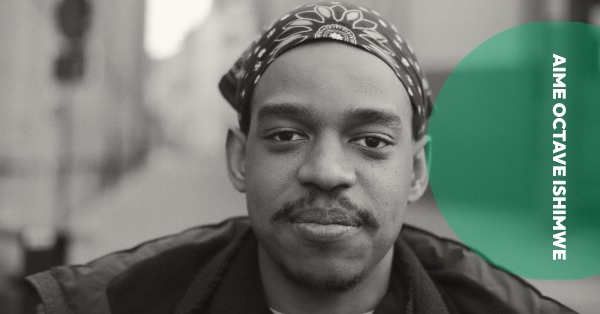
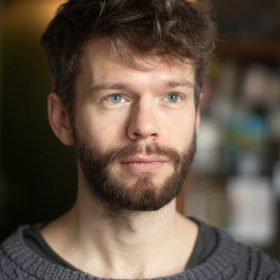
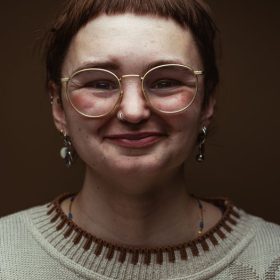
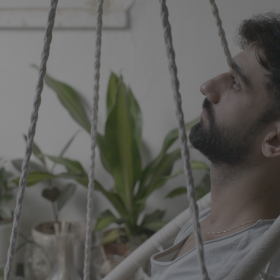
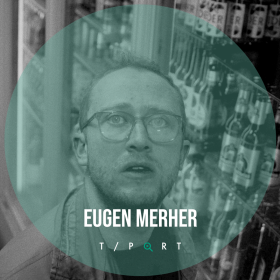
We chatted to the Rwandan-born director, who is currently studying in Brussels, via studying architecture in China, about a gruelling filmmaking process, Terrence Malick, and how meditation can save your shotlist.
Hi Aime, could you introduce yourself in a few lines?
I was born and raised in Rwanda, I left home at 19 to study architecture in China, for quite a while I worked in documentary and event photography. COVID became a sudden moment of silence and introspection, I was reading and learning screenwriting so after much thinking I transitioned to filmmaking in Brussels at the RITCS.
My recent work, Echoes Beneath The Hill is my debut short film.
Why did you choose film as your medium? Is it your only artistic outlet or do you have others?
Growing up I couldn’t draw to save my life, I later tried music producing and it’s safe to say that was not a success. However I could tell my senses were looking for an outlet, so I was trying a little bit of everything. When I tried photography, it stuck, this was my door in understanding the frame and visual storytelling.
At some point a single frame felt insufficient for what I wanted to tell, cinema however has this temporal arc embedded in the form so that became an organic transition.
Do you have a philosophy behind your filmmaking? Or do you feel like you belong to a particular artistic movement from the present day or past?
I like certain elements from past cinema, especially from the 1980s to early 2000s; that was really an interesting window. But I think I still have so much to learn and absorb; I have little lived experience and maybe more books to read before I can lay down a philosophy.
I, however, have obsessions that keep coming back: the relationship we have with time, geographical space, and memories or dreams. Every film I love, and my own work, keeps finding itself in that space. So, I am trying to understand those elements within the medium of cinema, and with each new work I can ask new questions and tell new stories that hopefully push the medium further from what has been done before.
There is also cleverness behind it all, hiding the philosophy within the film. I think that is what films from the time window I mentioned were really good at. It should be like a magic trick. The audience shouldn’t see or feel your sleight of hand.
If you could watch one film on a loop forever, what would it be?
In this moment, as I am writing my debut feature, I find myself meditating in the world of The Thin Red Line by Terrence Malick.
Tell us about your film that’s on T-Port. What is it about? How did you choose to tell its story?
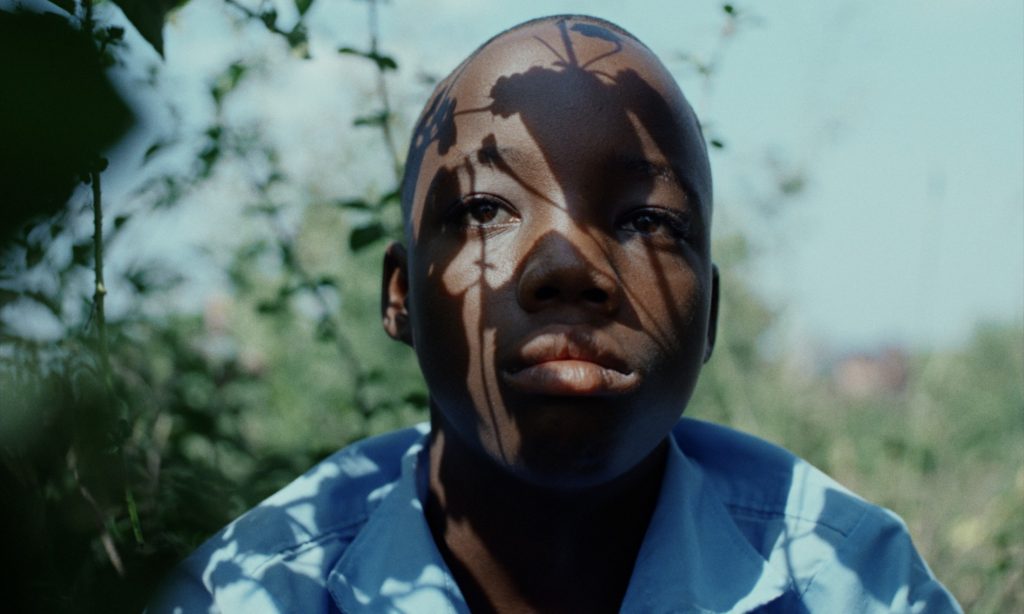
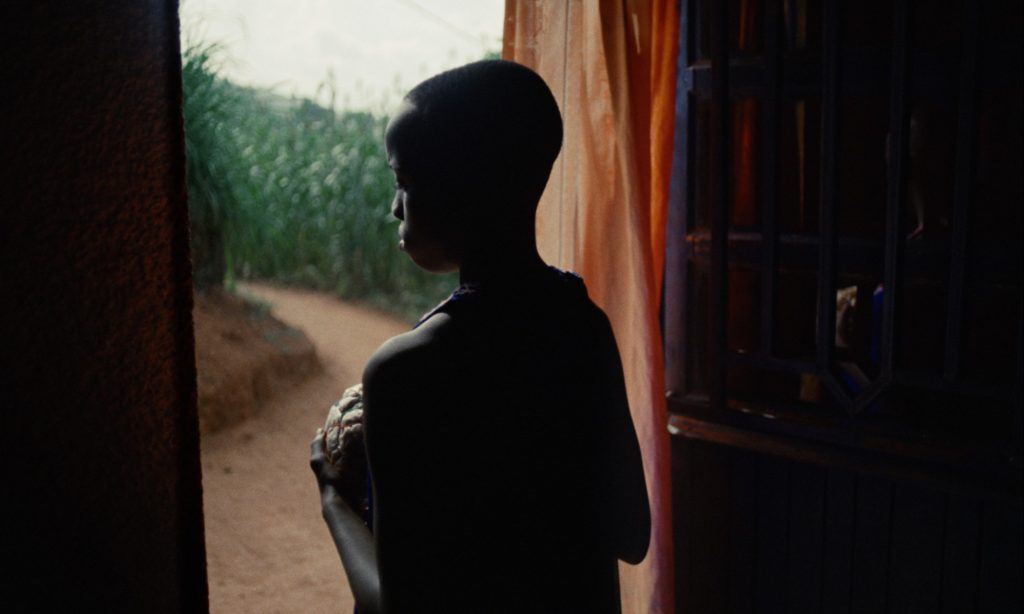
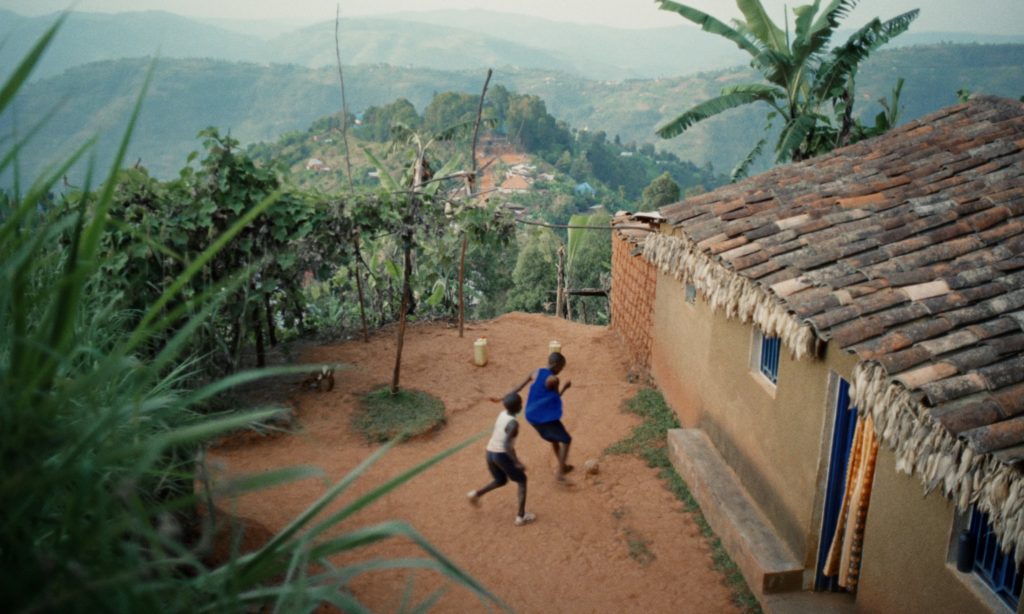
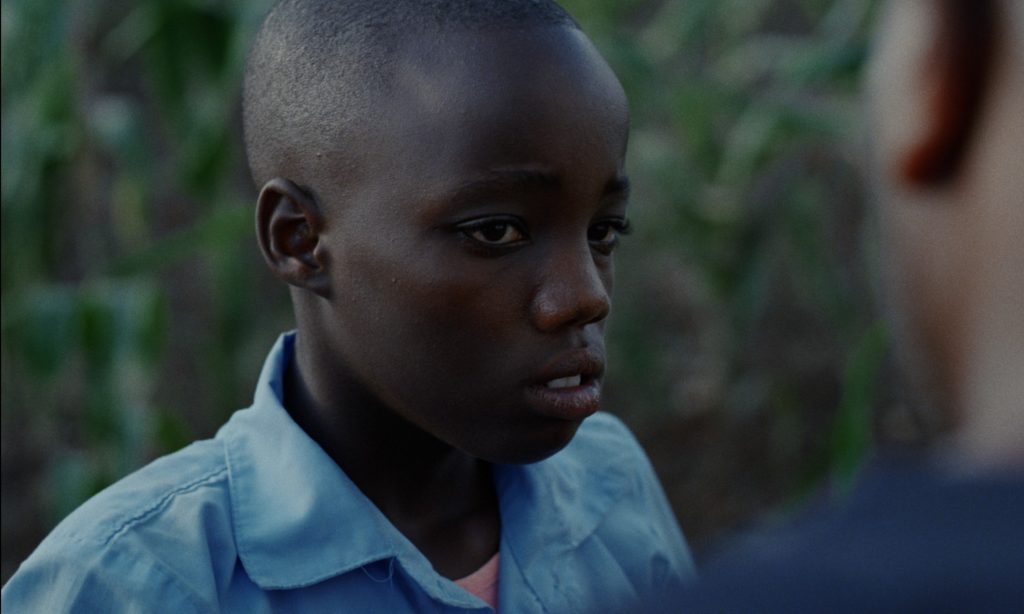
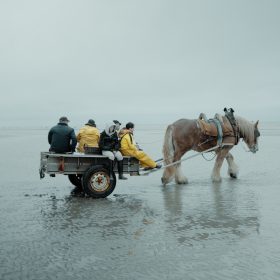
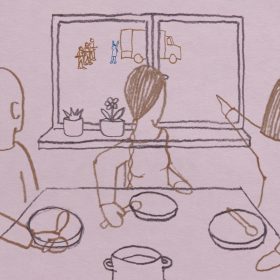
ECHOES BENEATH THE HILL is a short film set in 1994 Rwanda, on the verge of the genocide against the minority Tutsi. Jeanne, 10, a daredevil girl, is searching for her pet goat. During this final quest of childhood amid the warmth of family, days full of play, and calming mountain winds, she is exposed to new realities about her ethnicity.
The story is inspired by a story I heard when I was little. All the kids at my grandmother’s decided a goat would not be eaten or sold; the goat’s name was Biquette. I grew very fond of that story because it was so simple yet so defining; the loss of innocence in children.
I also did not like how past stories about the genocide against the Tutsi in 1994 were told. They left little space, if any, for emotional subjective perspective. The film follows Jeanne’s loss of innocence closely, not only within the physical world but also in the bending metaphysical aspects of her life: the impending rupture that she can sense but can’t yet spell out.
What challenges have you encountered while embarking on your film project? How did you seek to overcome them?
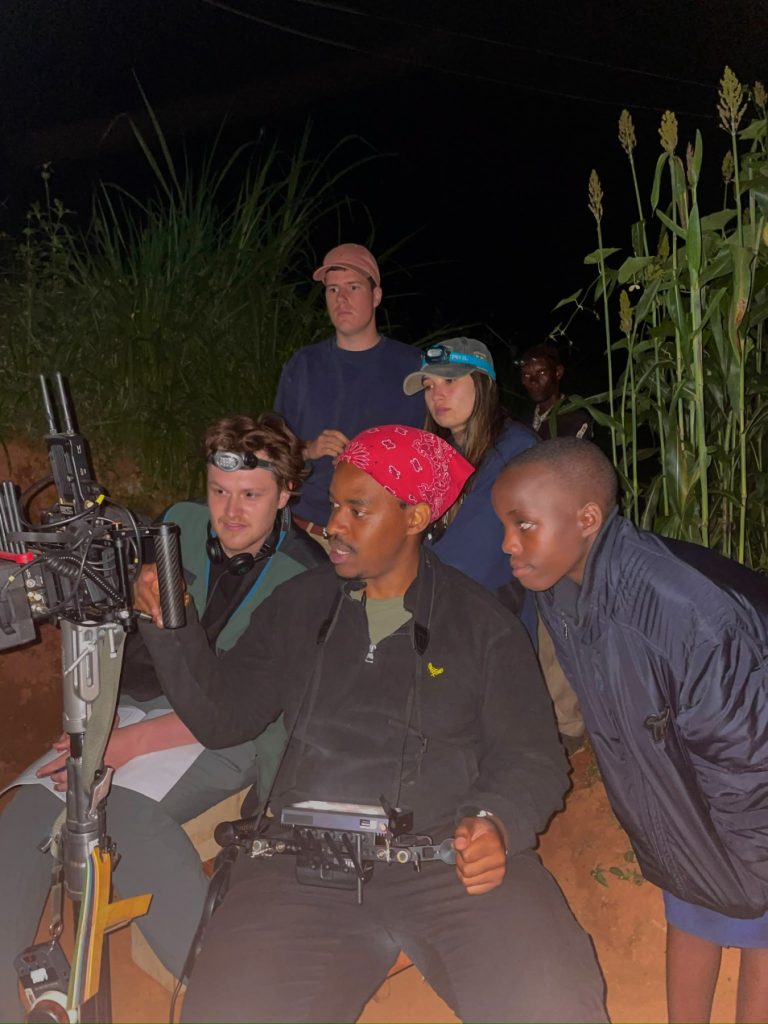
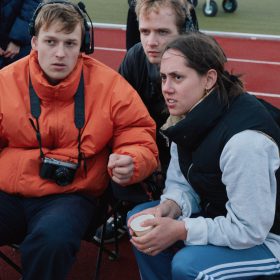
Overall, the most challenging was raising money for production. I am very grateful to the people who trusted and helped us fund the film. Nora (Producer), Clarence (Director of Photography), and I were ready for the logistical challenges. I think the tough moments there were when things caught us off guard, like my grandmother passing during production.
Otherwise, we welcomed challenges even before we landed in Rwanda; we knew we might have to have some work done on the road we would use to get to the location, we knew we had to cast through schools near the location, and we had solutions for getting electricity to the shooting locations that had no power, etc. Credit to the team really, we had solutions in mind to most of these problems that were rushing towards us.
Can you share the most important lessons you learned through the process of making your film?
It was really a tough experience. I learned so much about cohesion and how to create the right energy within the crew and how to maintain it. You need discipline and focus when doing hard things, but it also needs to be fun and not feel like homework nobody asked for.
My remaining grandmother, who inspired part of this film, passed away during production; I got the news when I was shooting and the crew had my back when I was a bit indisposed.
Isn’t that the ultimate test? That the team remains together through such ordeals. That was the most important lesson coming from this: the harmony within the team that makes it work.
If you could go back in time to pre-production and give yourself one piece of advice, what would it be?
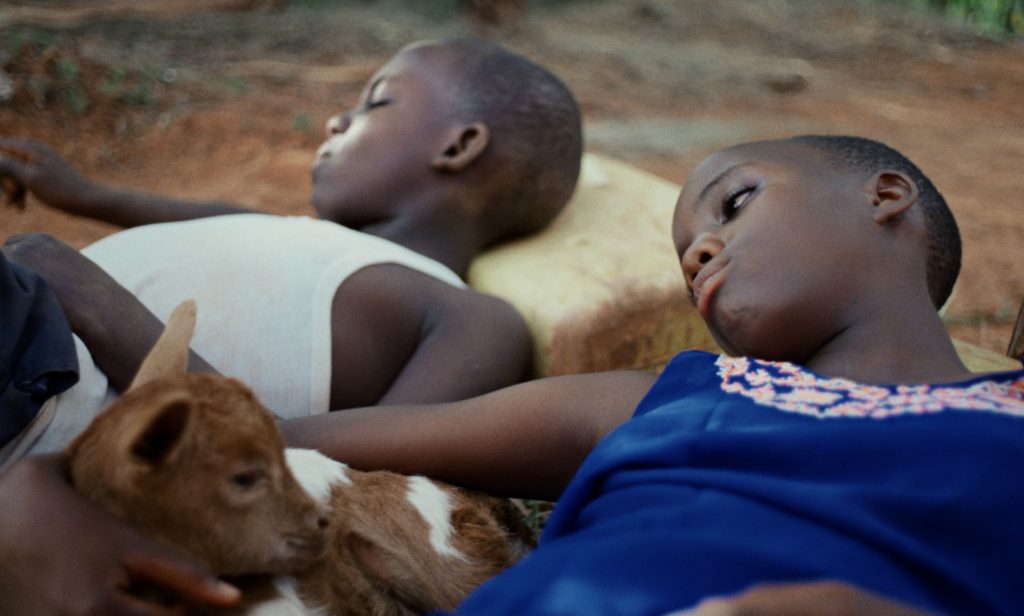
I think I would advise myself to take more time and breathe. Meditation can save your shotlist. There is a shot of both kids resting in grass. That shot came to be because on that day I had decided to meditate in the morning.
If you’ve been filmmaking for a while – what have you learned about yourself if you look back on your body of work? Are there any surprises from your subconscious?
Overall, I find it surprising that the same themes of time, memory, dreams and space keep coming back to what I did and what I’m writing. I am looking forward to the challenge of finding more depth and sincerity in them as I create.
How have you found working within the film industry where you are as now? What have you found to be the biggest challenges in building your career?
The challenge is access, isn’t it? There are few ways and routes for emerging makers to move forward in their careers. A couple of decades ago, sculptors and painters would attend school and then undertake an apprenticeship for 10 years or more under the mentorship of an established maker before they could fly on their own.
Times are different now; we are not as patient as we used to be. We are all rushing to create in order to keep up, and sometimes we make work that lacks permanence. But artists persist. I hope our pace of evolving the medium meets the audience where they are.
Where do you think film graduates or beginner filmmakers have gaps in their knowledge or barriers to the industry?
There are some gaps that I think are normal, like any other field really. You can always close those gaps by reading, asking questions, traineeships, etc. The one gap I have found to be costly is reluctance to take risks in your formative years as a maker. Most filmmakers I listen to and admire took risks, albeit often blindly. Film school can sometimes create a false sense of creative safety. After graduating, many of us can suddenly feel exposed to a vacuum, with no clear path of where to go or what to do next. One positive thing about risks is that we can train our minds how to respond to them and learn how much is too little or too much.
I think having community solves that beautifully. If you have a village of people travelling alongside you, you give feedback to each other and create the path together while uplifting each other as much as you can.
How have you felt about the distribution side of the film industry? Do you feel prepared or knowledgeable?
I feel a little bit knowledgeable because I have bugged everyone about it for so long. (PS. Sorry to all of you! <3) But it is still one of the things that keeps constantly changing and evolving with emerging technologies. I am paying attention, for example, to how Gen Z digital marketers are marketing films to younger audiences because it challenges much of the conventional wisdom.
I am really curious about where we will be in 10 years. If there ever was an area in the film industry that can be confusing, it is distribution and strategy.
Looking at the film industry now, if you could make one lasting change to make it better, what would you do?
I wish there were more opportunities for apprenticeships under experienced mentors for emerging makers. A mix of traineeship, residency approach, and the distillation of lived experience. I know quite a few institutions have such programs already, but access remains difficult for many talented filmmakers around the world.
Is there anything else you would like to mention?
Thank you very much T-Port and long live cinema.
“I wish there were more opportunities for apprenticeships under experienced mentors for emerging makers.“
Take Your First Steps Into The Film Industry With The T-Port TalentBridge
T-Port films are only accessible to professionals, so your premiere status will not be affected.Stake your place in the next generation of filmmakers waiting to be discovered for only 15 Euros / year. Find out more on our website and get started with T-Port today.
Or sign up for our newsletter to get regular updates on the current trends and exciting innovations in the short film universe.
We use cookies to ensure that we give you the best experience on our website. If you continue to use this site we will assume that you are happy with it.