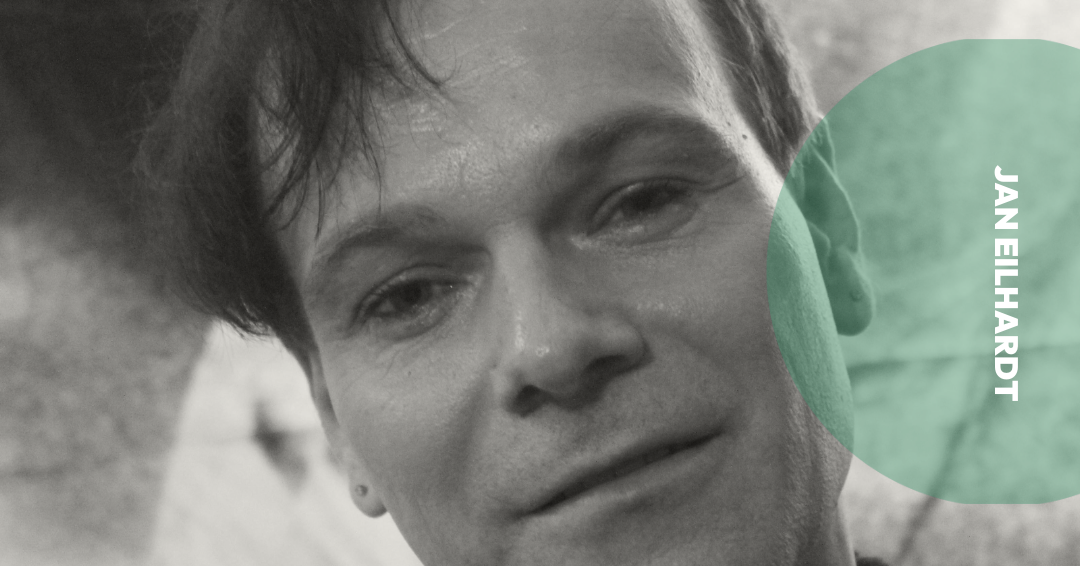
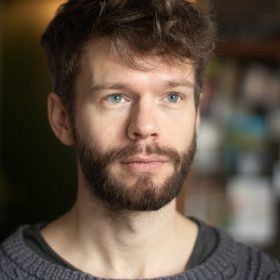
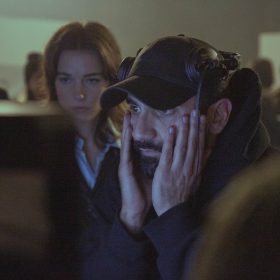
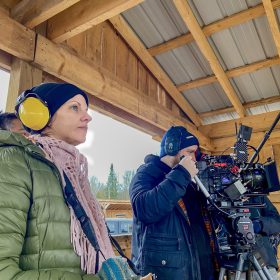
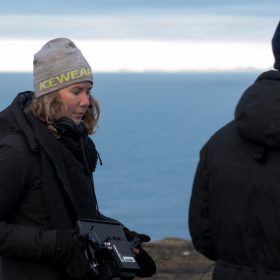
"From their first encounter with a camera at age 12, to their film screening at Berlinale, Jan Eilhardt (they/them) has been sharing their perspective of the world through film for a while.
"
We chatted to the self-described “activist filmmaker” about queer-feminist representation, the freedom of working collectively with a dance troupe formed of people with disabilities, and non-hierarchical working.
Hi Jan, would you introduce yourself in a few lines?
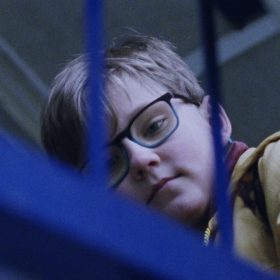
I am a queer filmmaker, born in Germany and working on films for over 20 years. My feature JANINE MOVES TO THE COUNTRY premiered last year at the Berlinale.
Why did you choose film as your medium?
When I was a queer child and grew up in a village my Mum found it too dangerous that I am fully dressed as Janine on the streets. So she bought me a camera when I was 12.
Do you have a philosophy behind your filmmaking?
I would call myself an activist filmmaker, often involved in queer-feminist content.
If you could watch one film on a loop forever, what would it be?
Jeanne Dielman by Chantal Akerman
Tell us about your film that’s on T-Port. What is it about? How did you choose to tell its story?
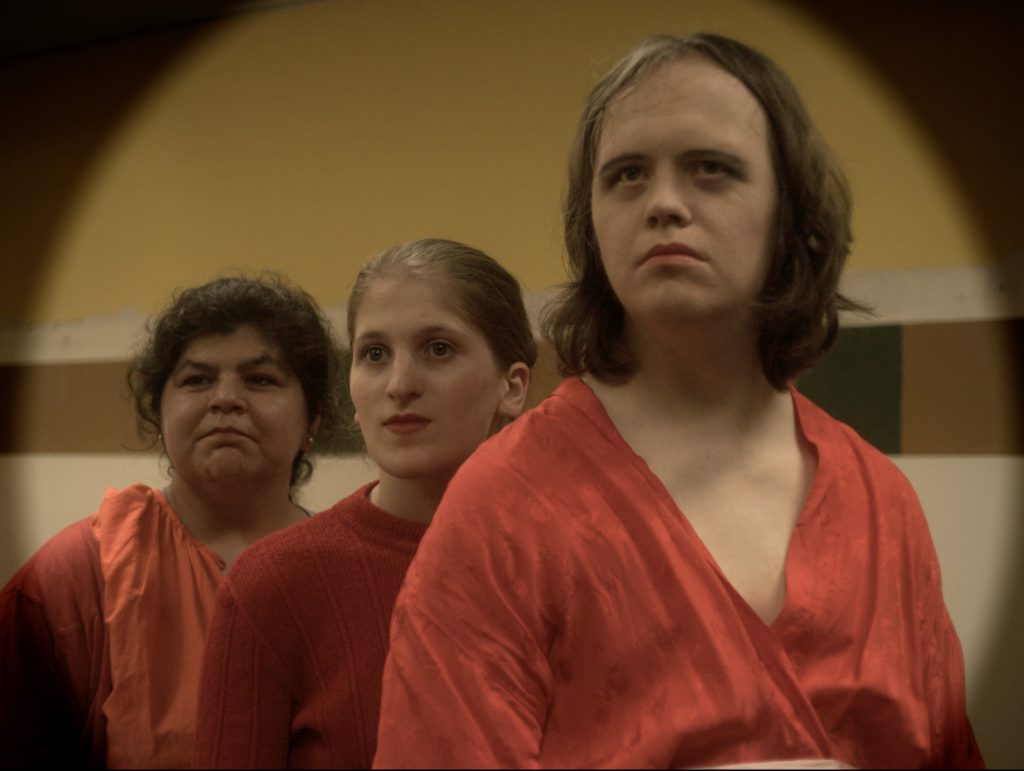
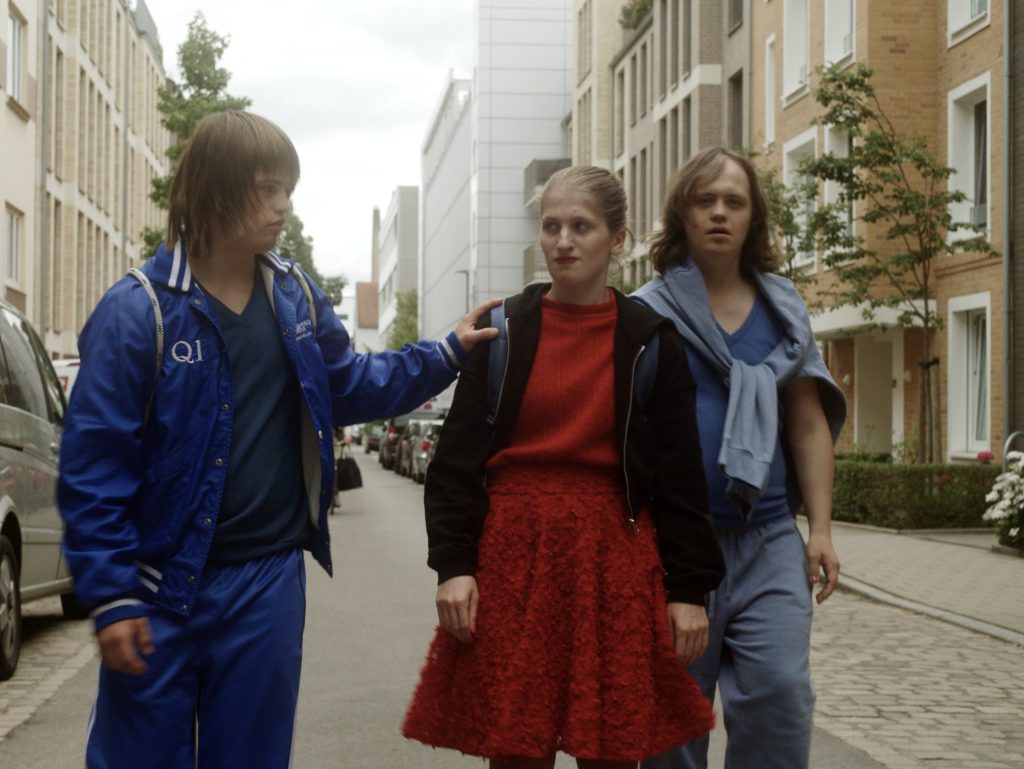
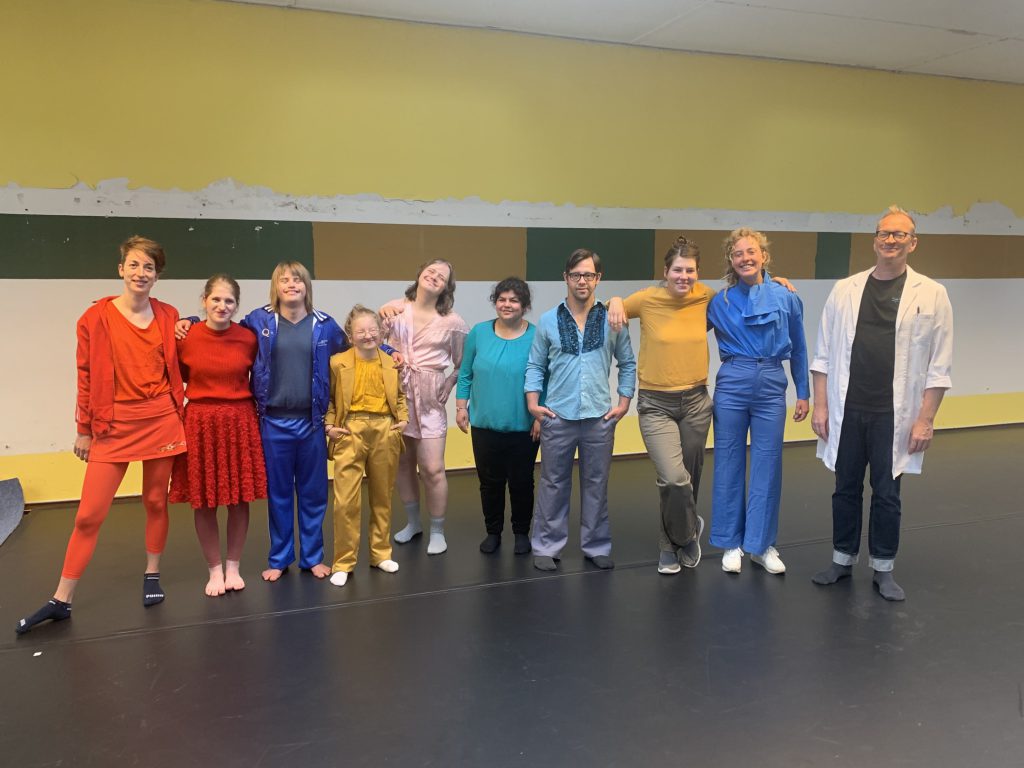
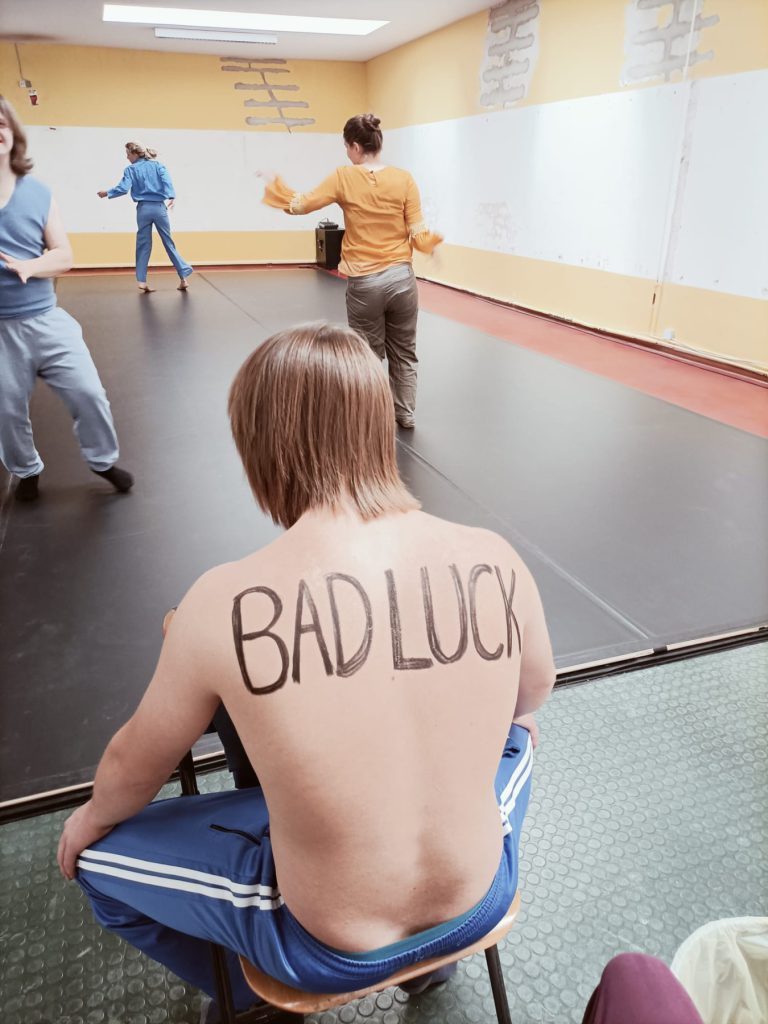
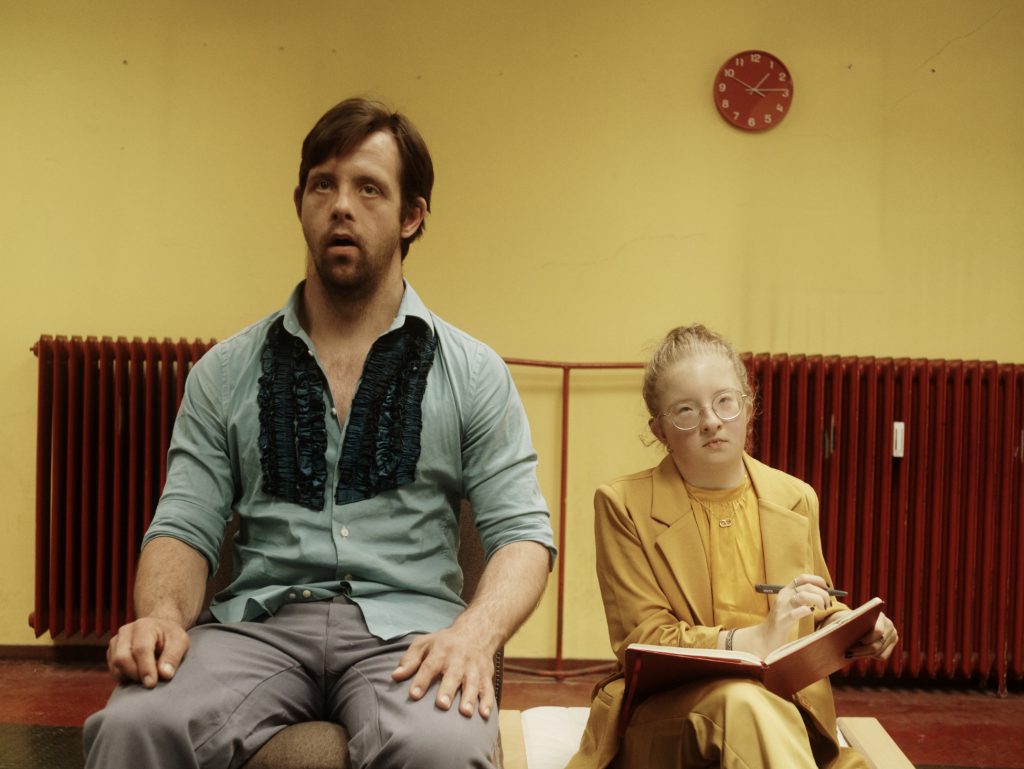
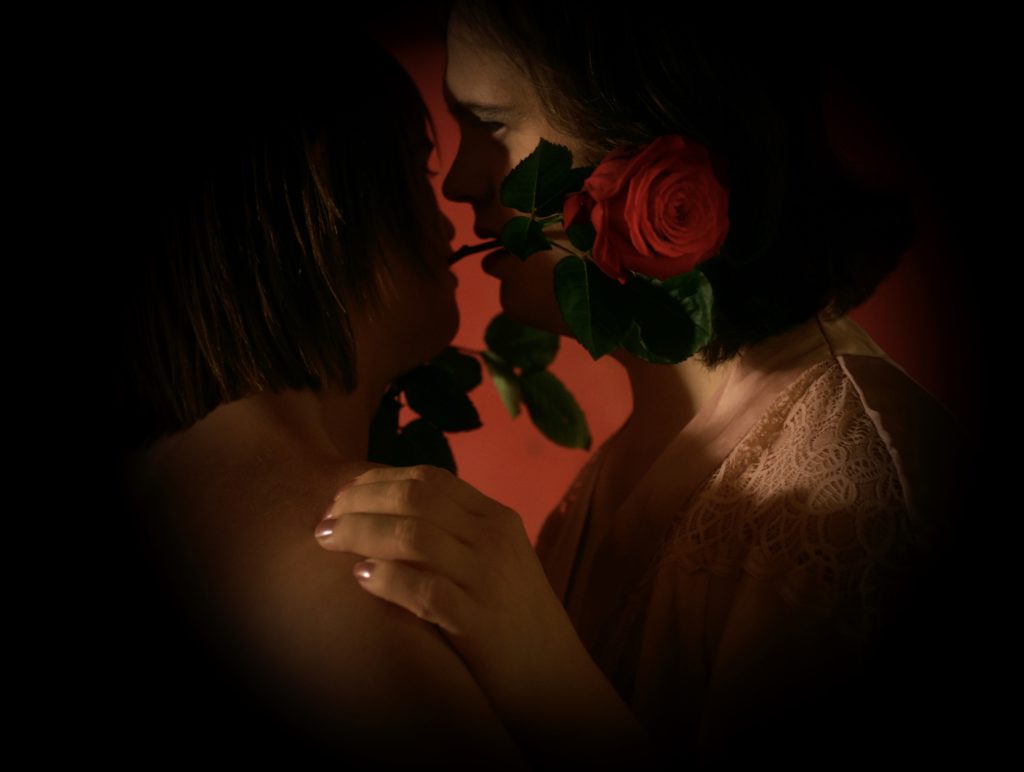
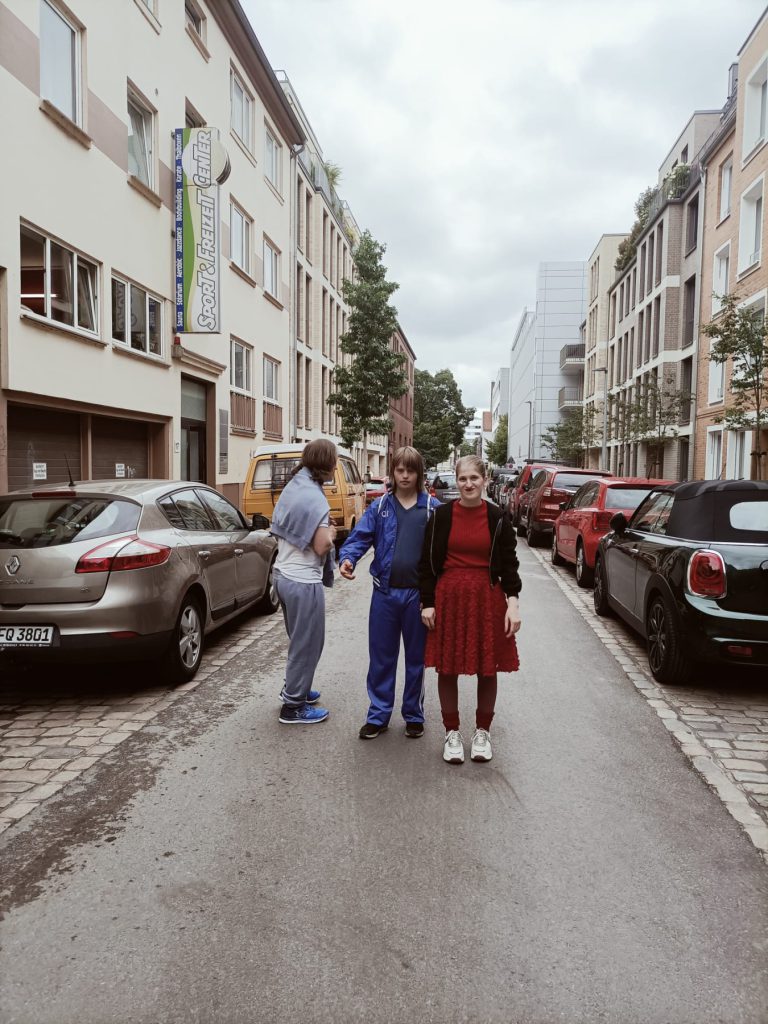
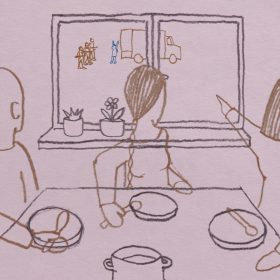
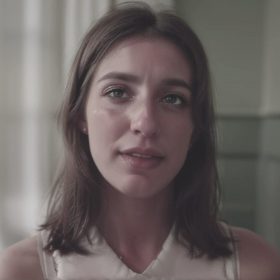
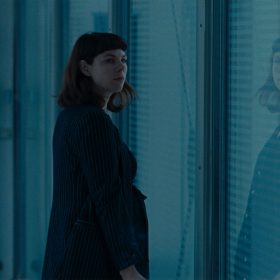
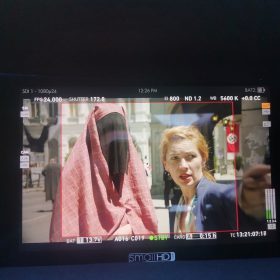
BAD LUCK is a dance musical which was realized as a collective work with dancers with disabilities.
Tell us about the production process on that film, what did you learn? Which parts did you enjoy?
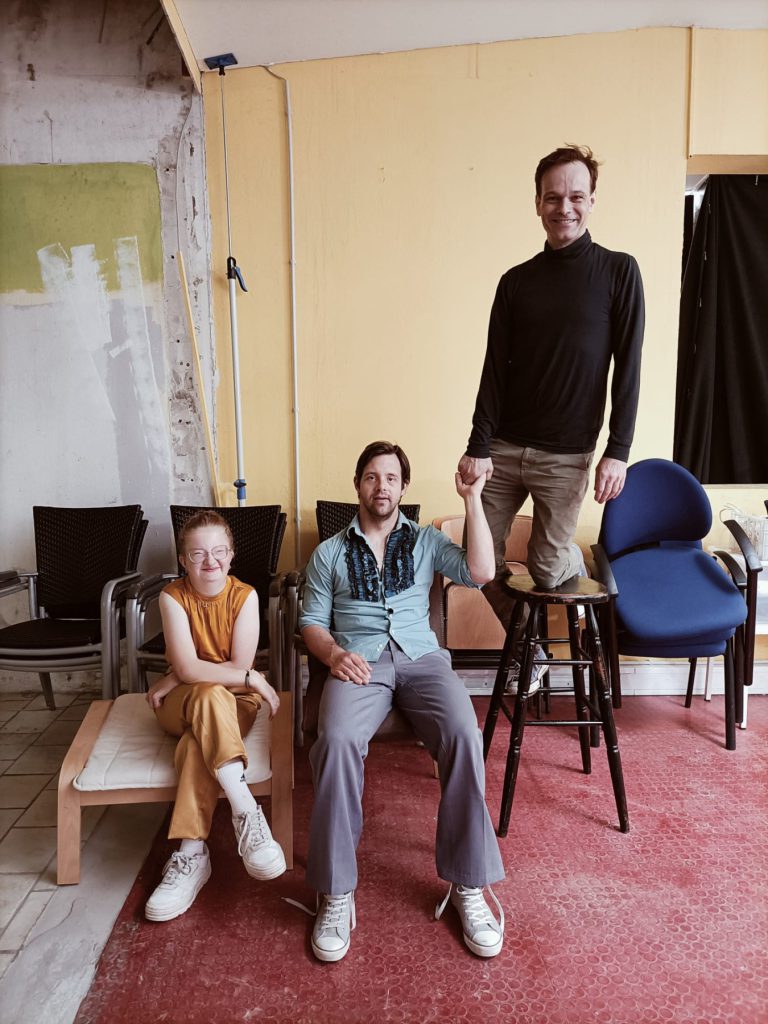
I mostly enjoyed working with a collective of disabled dancers who were not judgemental at all, a rare experience.
What challenges have you encountered while embarking on your film project? How did you seek to overcome them?
As the budget was not very high but we wanted to achieve a high quality it was not so easy for us, especially in the post production. But we made it.
How was it to collaborate with your cast and crew? Do you work with “regulars”, or are you trying something new?
As I mentioned it was a collective work, so we had a non-hierarchical way of working.
Can you share the most important lessons you learned through the process of making your film?
The collective work as a political statement.
If you could go back in time to pre-production and give yourself one piece of advice, what would it be?
Maybe to be very precise with the form but always give space for spontaneous decisions.
If you’ve been filmmaking for a while – what have you learned about yourself if you look back on your body of work? Are there any surprises from your subconscious?
No 🙂
How have you found working within the film industry where you are as now? What have you found to be the biggest challenges in building your career?
The mass of films.
Where do you think film graduates or beginner filmmakers have gaps in their knowledge or barriers to the industry?
The history of films.
Looking at the film industry now, if you could make one lasting change to make it better, what would you do?
The human way of thinking.
“I would call myself an activist filmmaker, often involved in queer-feminist content.
“
Take Your First Steps Into The Film Industry With The T-Port TalentBridge
T-Port films are only accessible to professionals, so your premiere status will not be affected.Stake your place in the next generation of filmmakers waiting to be discovered for only 15 Euros / year. Find out more on our website and get started with T-Port today.
Or sign up for our newsletter to get regular updates on the current trends and exciting innovations in the short film universe.
We use cookies to ensure that we give you the best experience on our website. If you continue to use this site we will assume that you are happy with it.