

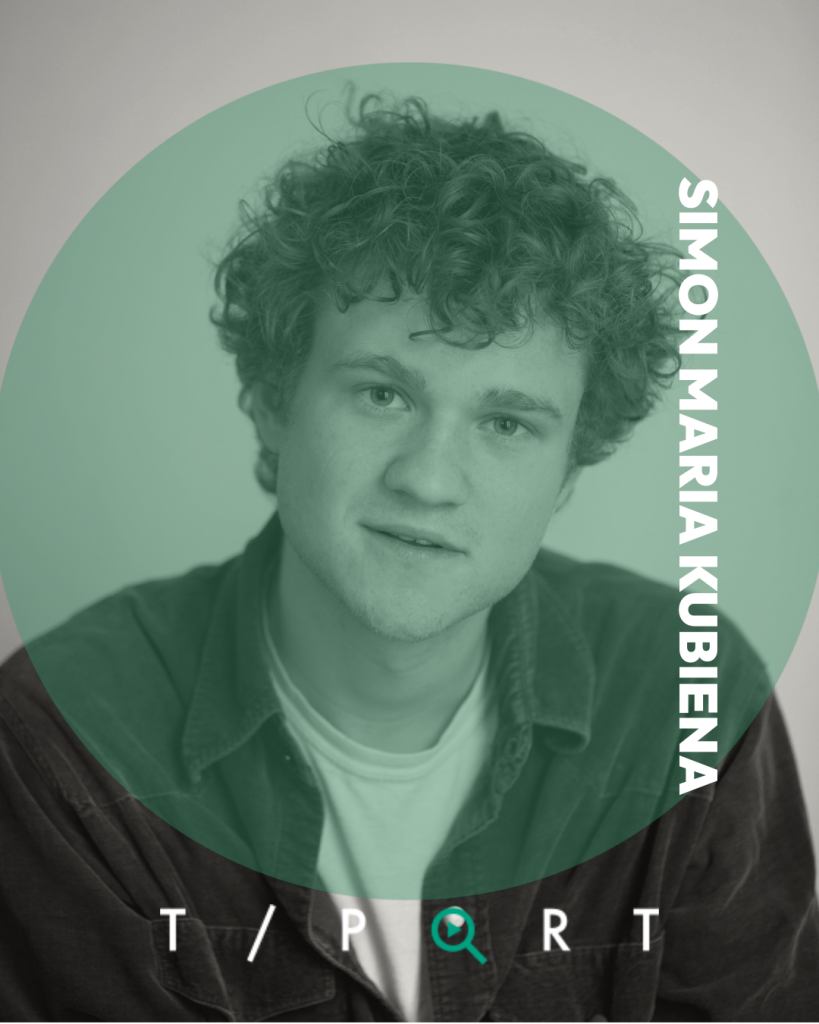
Austrian filmmaker Simon Maria Kubiena is the filmmaker behind AT HOME I FEEL LIKE LEAVING, which appears on T-Port courtesy of our partners at the Filmakademie Baden-Württemberg and the Filmfestival Max Ophüls Preis. The tour for the film recently kicked off at the Filmfestival Max Ophüls Preis in Saarbrücken, where last year, Simon’s production partners attended information sessions while in the early stages of producing his upcoming feature film DAS BLÜHEN EINER CHIMÄRE (THE FLOWERING OF A CHIMERA).
We caught up with the filmmaker to talk about his beginnings, experimenting in conveying emotion over plot, how he learned to work in a more playful way, and working with non-professional actors.
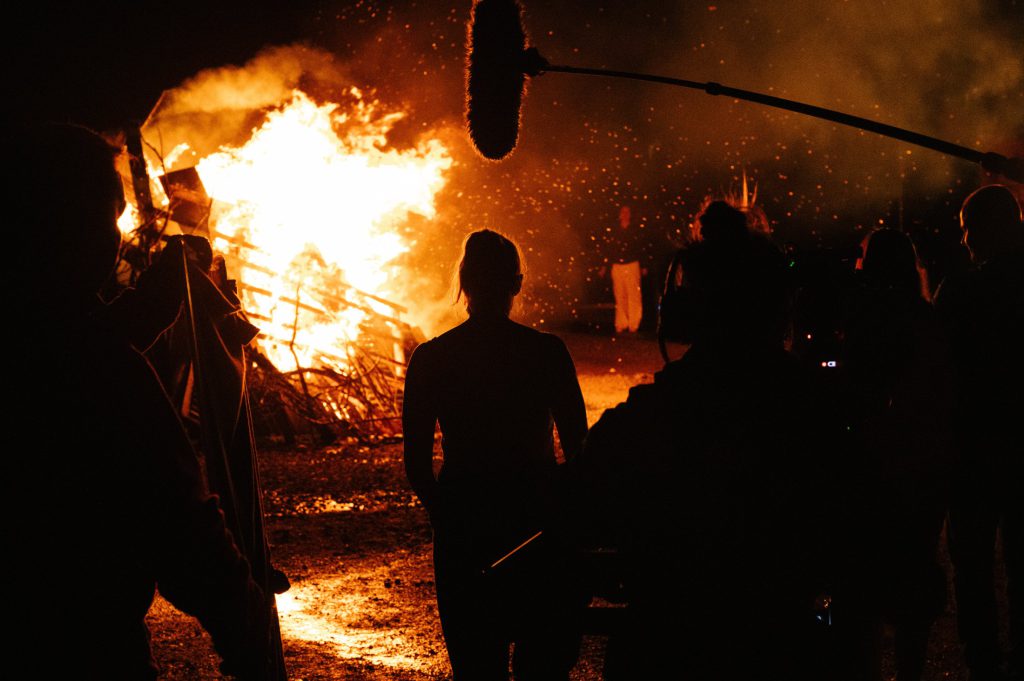
Photo by Lukas Meixner
Hi Simon! Would you introduce yourself in a few lines?
I am from Vienna, Austria. I studied film directing at Filmakademie Baden-Württemberg in Germany, spending a guest semester at La Fémis in Paris. This was followed by a Master’s degree in Screenwriting at the London Film School.
Important short films for me include BOY, which I made during a summer workshop at Prague Film School in 2018. This experience taught me to write impulsively from the heart.
My second-year short film, BLAUES RAUSCHEN (2022), was probably the first time I experienced a filmmaking method that suited me, involving improvisation, working with non-professional actors, and using specific locations. MISE A NU (2023), which I co-directed with Lea Marie Lembke at La Fémis, taught me the importance of clear communication and audiovisual preparation, whilst allowing me to adapt to the actors on set.
This was all combined in my recent short film, AT HOME I FEEL LIKE LEAVING (2025), which we shot back in Austria, close to my personal environment, with just non-professional actors, and which allowed even more exploration of the audiovisual form in order to capture a feeling rather than a story.
How did you realise that you wanted to become a filmmaker?
It took me a while to discover that. I guess it started when my mother put me in a theatre group when I was around eight. This turned into a passion that accompanied me throughout my youth.
I made films with my best friend at high school, who taught me everything in the beginning. We wrote short scripts and asked our friends to act in them.
I guess it was one of those films. I vividly remember when it was shown at the cinema in front of an audience. I was around sixteen. The silence of the audience and their reactions afterwards stayed with me.
It was a film that revolved around a question and a feeling rather than a plot. Seeing how people experienced what we had made differently became a fascination for me, as did the dialogue between screen and audience.
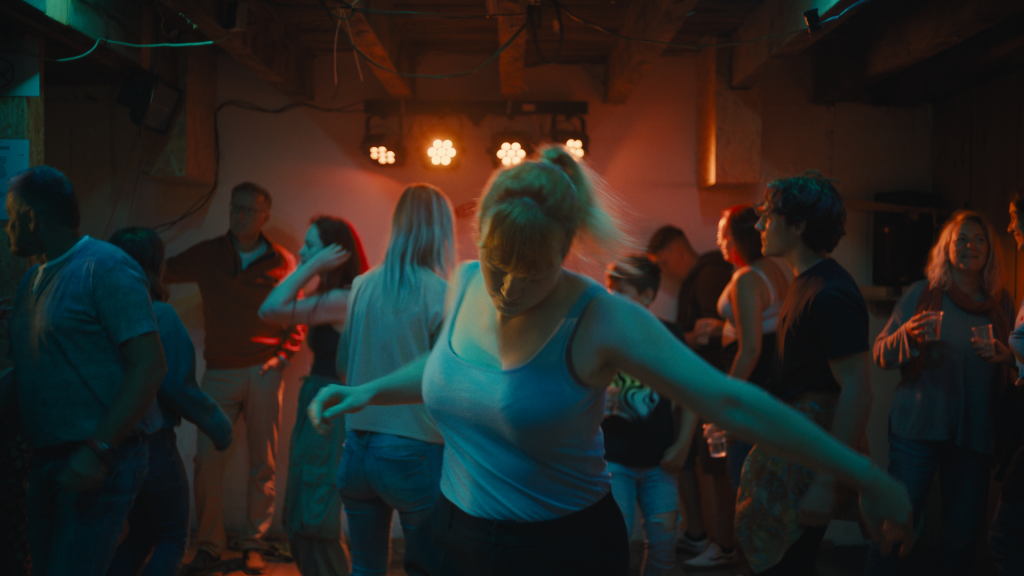
Photo ©Dennis Banemann
Do you have a philosophy behind your filmmaking? Or do you feel like you belong to a particular artistic movement from the present day or past?
I guess I can only describe what I look for in films: some sort of an emotional truth.
If you could watch one film on a loop forever, what would it be?
“Yi Yi” by Edward Yang
What are you working on at the moment? Could you tell us about it?
I am working mainly on my first feature film, DAS BLÜHEN EINER CHIMÄRE (THE FLOWERING OF A CHIMERA). The film traces the disturbance of a young man burdened by guilt, unable to find healing, because his family can not love him and face what he has done at the same time. We navigate alongside him as he learns to deal with his past through a bond with an older man.
Over the last year, I have taken part in several development labs and festivals with my producers, Elli Leeb and Fabian Leonhardt. These include La Résidence du Festival de Cannes, Cine-Link in Sarajevo, and Locarno Alliance4Development. We are currently in the project development phase at the ÖFI Talent LAB, focusing on casting and location scouting.
At the moment, I am caught between researching confirmation preparations and factories. In November, we founded our Vienna-based production company, Chimera Film, which is co-producing “Das Blühen einer Chimäre” (AT) with Panama Film and ZDF – Das Kleine Fernsehspiel. If all goes well, we will be able to start filming in early 2027.
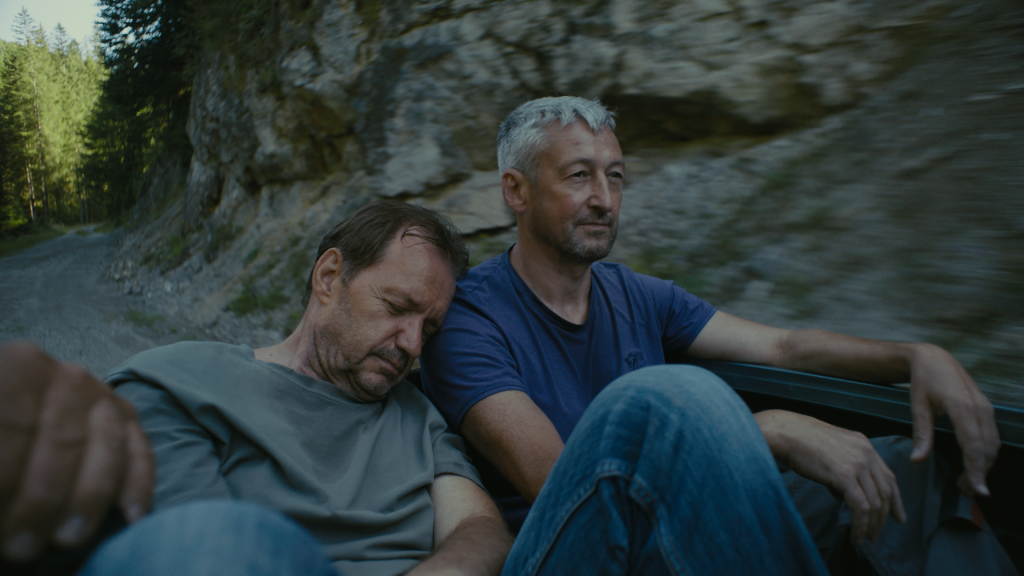
Photo ©Dennis Banemann
What challenges have you encountered while embarking on your latest project? Do you know how you will get around them?
In addition to numerous logistical issues (keywords: solstice bonfire, village festival), a particular challenge with AT HOME I FEEL LIKE LEAVING was finding the right tone to capture the ambivalent feeling that was at the center for us. Torn between the anxiety of family closeness and the longing for it at the same time. This tone is shaped in particular by the actors and the locations. This is why our producers Fabian Leonhardt and Lena Zechner together with our casting directors Zorah Berghammer and Magdalena Steiner organised a large-scale casting call in Lower Austria to reach even those who do not yet know that they can perform well in front of the camera.
As with our DoP Dennis Banemann. All of this was marked by a great deal of experimentation and curiosity, which was noticeable in all departments during filming and in post-production.
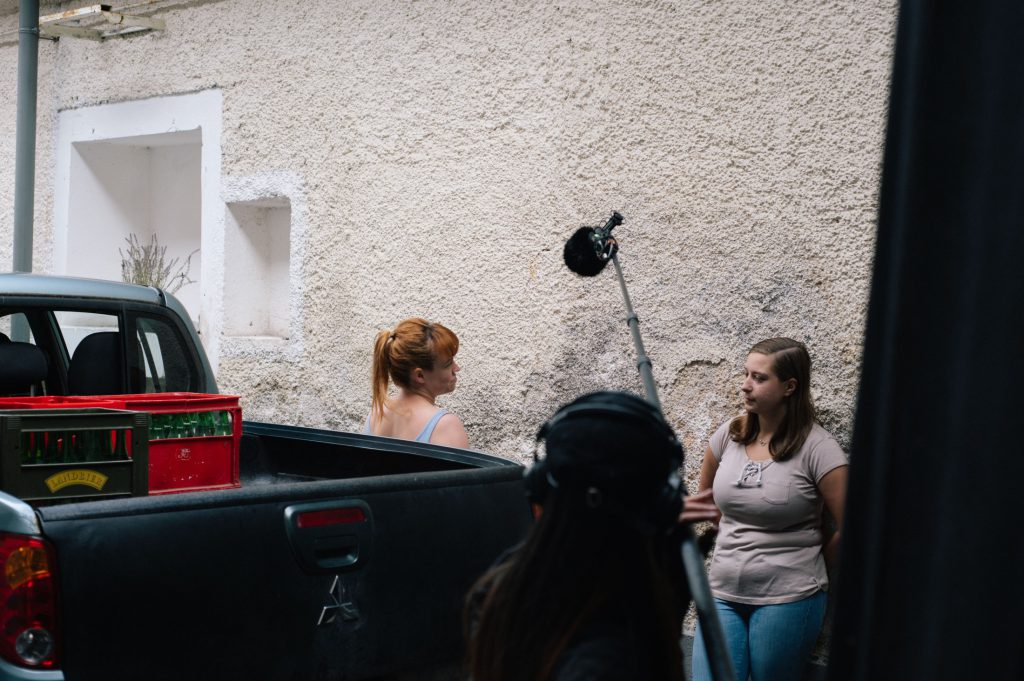
Photo (c) Lukas Meixner
How was it to collaborate with your cast and crew? Do you work with “regulars”, or are you trying something new?
It was particularly beautiful in AT HOME I FEEL LIKE LEAVING — we shot around St. Aegyd in Lower Austria, a place very close to my heart as I have roots there dating back to my childhood. I had worked with some of the crew on previous projects in Germany, France and Vienna before, and they all found their way to this small village surrounded by mountains.
With the exception of Lisa Weber, an Austrian director, playing the lead role, we ended up shooting with farmers, electricians and an ex-police officer from the region as actors. It was a great collaboration. For most of them it was their first time acting, which made the shoot very playful.
I am generally quite open to new collaborators and don’t tend to have “regulars” in the casting or crew. However, I have been very lucky in recent years to find people with whom I have experimented a lot and managed to establish a working method and rhythm that feels natural and playful.
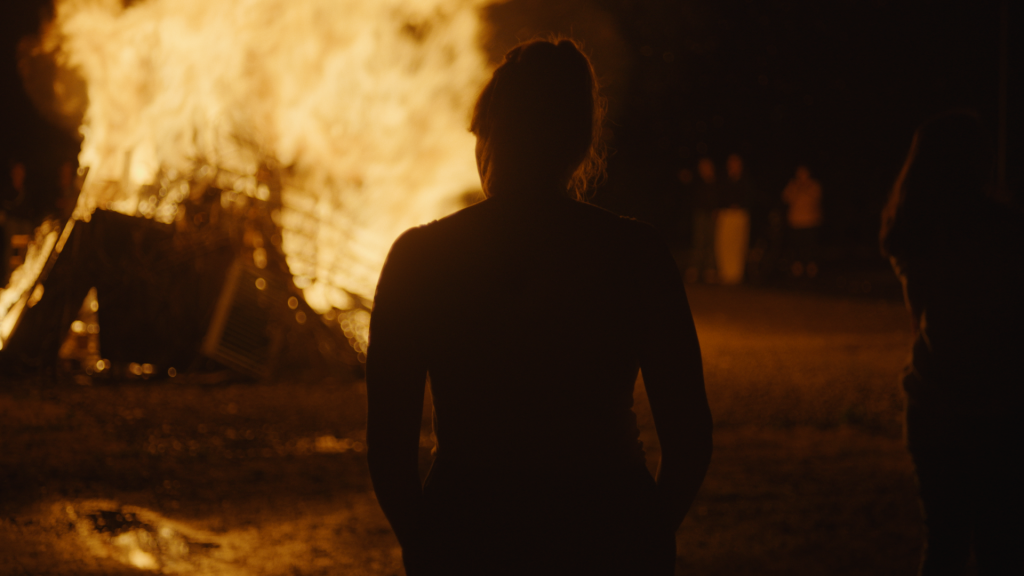
Photo ©Dennis Banemann
Can you share the most important lessons you learned through the process of making films?
I’ve definitely learned that it’s much more beautiful when you approach a project with a childlike openness to discovering things beyond your imagination. Not to plan everything exactly or pretend like knowing everything. Surprises play a big part of creating a scene or a mood.
For me, the worst thing is to say “I certainly know everything” at the start; it’s much more rewarding to embrace the search and share this journey with others.
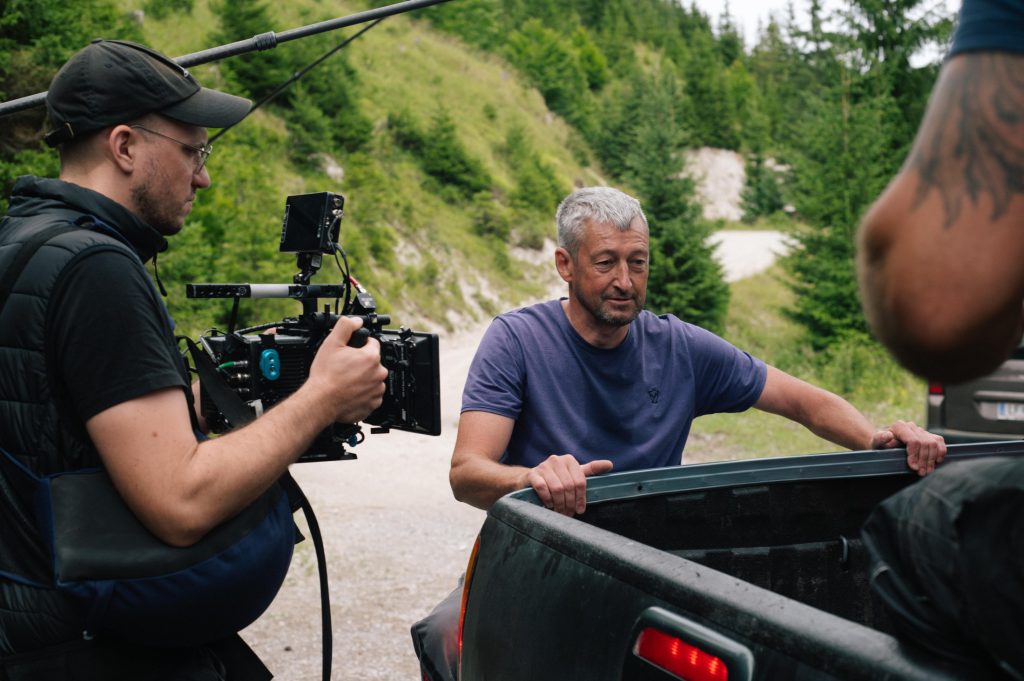
Photo (c) Lukas Meixner
If you could go back in time to pre-production and give yourself one piece of advice, what would it be?
I would push myself to watch all the day’s footage at night after the shoot. Even if it is exhausting, I discovered that it is necessary for me to reflect on what we recorded on set after a shooting day.
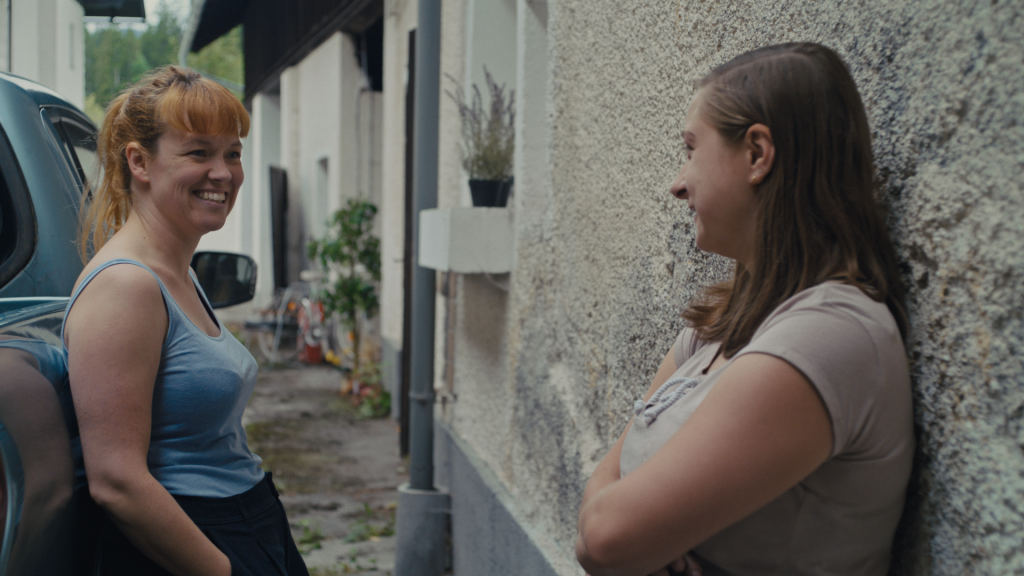
Photo ©Dennis Banemann
What have you learned about yourself if you look back on your body of work? Are there any surprises from your subconscious?
That’s a good question. There’s probably an ongoing theme of projecting one’s own wants and desires onto others. However, the realisation of projection, however disappointing, always carries an element of healing, so I suppose I believe in a kind of healing.
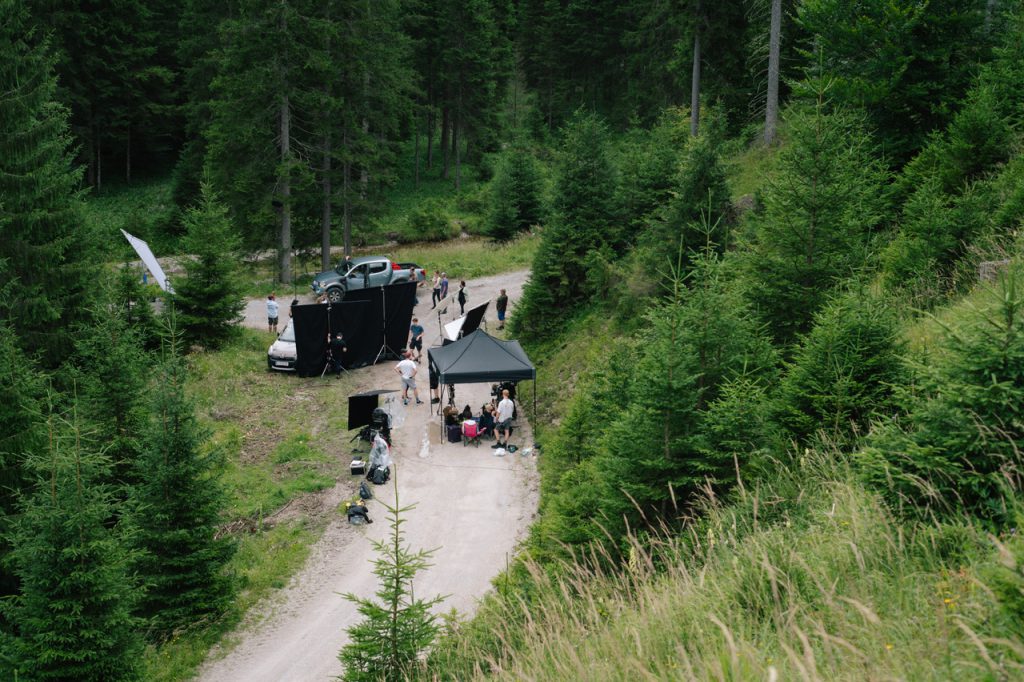
Photo (c) Lukas Meixner
Looking at the film industry now, if you could make one lasting change to make it better, what would you do?
Well, there are quite a few difficulties…
On the one hand, I think one of the most important things is to include cinema in early education. By strengthening cinema for a young audience, we can ensure that there will be a future audience and prospective filmmakers – if they fall in love with cinema and understand its language. This would lead to keep pushing the medium as well and continue the reflection upon life and our time.
On another level, I think there should be more financial support for students who are struggling to pursue an artistic career. Otherwise, only those who can afford the financial insecurity of this job in a time of economic pressure will be able to share their stories. This would result in many diverse perspectives remaining unheard and unseen.
On this subject, I would also wish for politicians to recognize that funding cinema is a valid economic investment, in addition to its artistic and social value. Cinema creates many jobs, from on-set roles to post-production positions. This should be kept in mind when adjusting or cutting funding budgets.
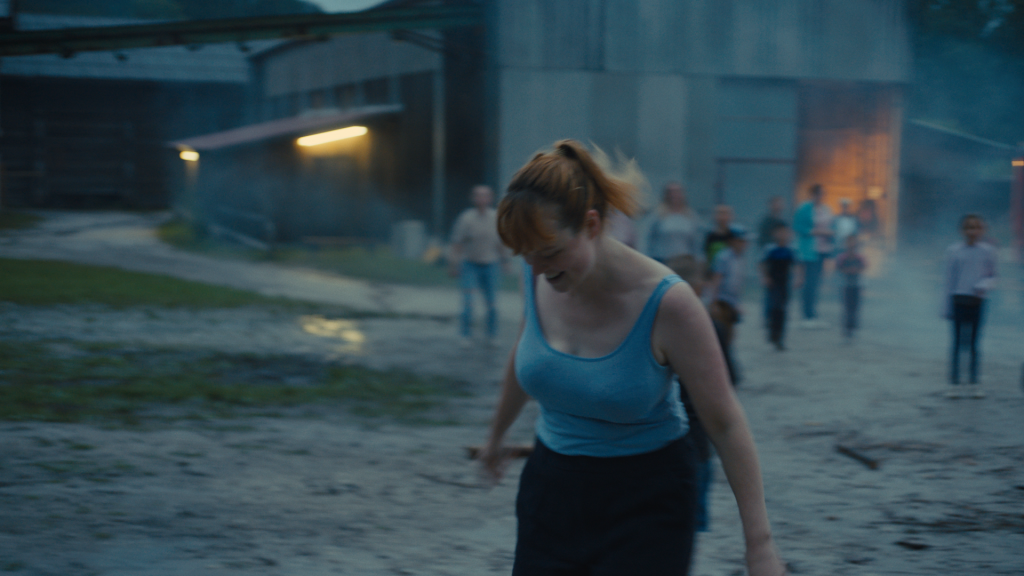
Photo ©Dennis Banemann
Submit Your Short To T-Port Today
T-Port films are only accessible to professionals, so your premiere status will not be affected.Stake your place in the next generation of filmmakers waiting to be discovered for only 15 Euros / year. Find out more on our website and get started with T-Port today.
Or sign up for our newsletter to get regular updates on the current trends and exciting innovations in the short film universe.