

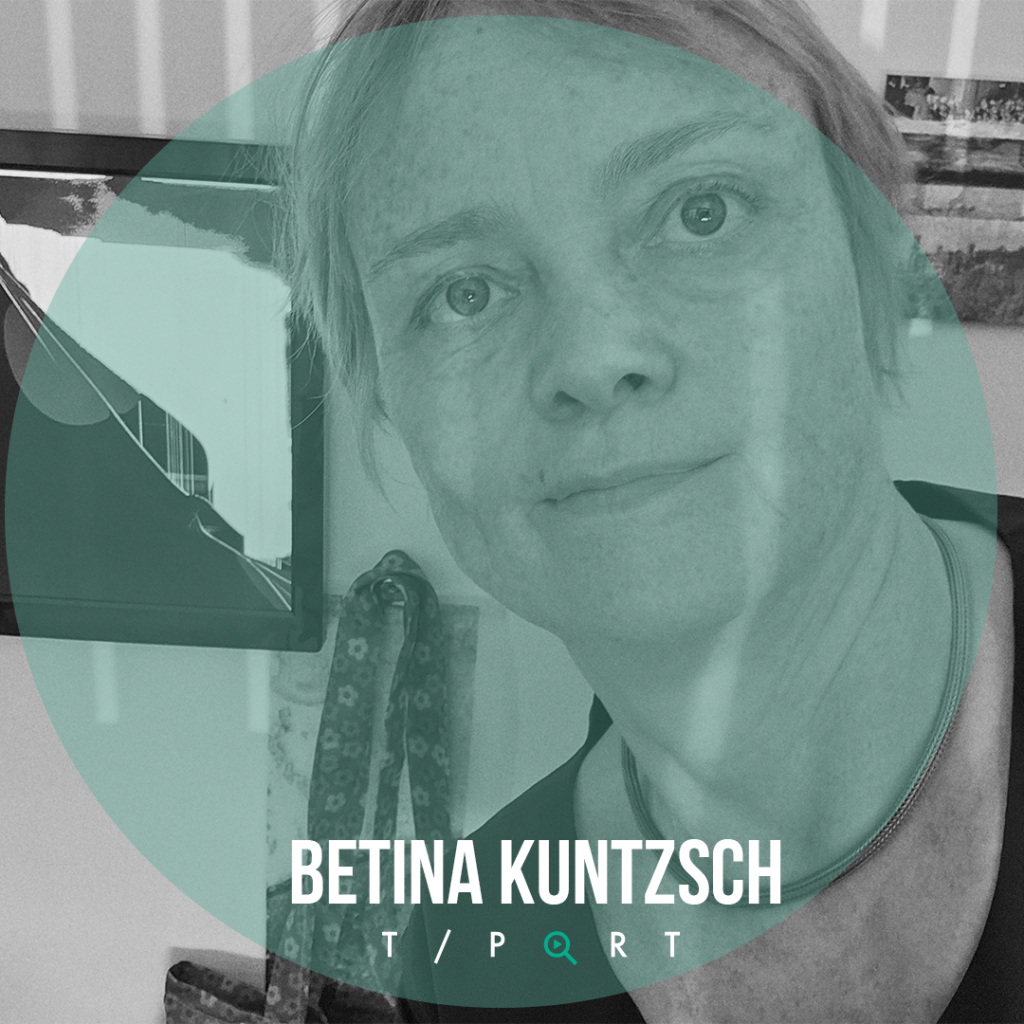
Betina Kuntzsch is the filmmaker behind the animated documentary SKY LIKE SILK, FULL OF ORANGES, which was picked by guest curator Jukka-Pekka Laakso as part of the 2025 T-Port Lighthouse Selections. The animated short, created in her own style which she defines as “video drawing” explores the first aeroplane full of East German tourists to arrive in Mallorca.
Even prior to the success of her latest short, Betina has been no stranger to the film industry, with 30 years of work as an artist and filmmaker behind her, including having worked on VFX for filmmakers Peter Greenaway and Alexander Sukurov.
Last time we spoke to Betina, SKY LIKE SILK, FULL OF ORANGES was part of the German Short Films Selection by our partners at AG Kurzfilm – bringing it to audiences worldwide. In this follow-up interview we catch up on what she has been up to since her film created a splash, tapping into the wisdom she’s gained in her career up until now.
Hi Betina! Lovely to have you back! Considering your wealth of experience in the industry, why, of all the creative mediums, do you choose short films?
I love short films, their focus and intensity, the little stories that unfold and develop in the viewer’s mind.
Tell us about your Lighthouse-selected short. Firstly, where did the inspiration come from for the film?
The idea came to me by chance on my first trip to Mallorca in 2023. One evening, I typed Mallorca + GDR into my computer’s search engine and was amazed to see two photos of GDR citizens in Mallorca in April 1990. This will be my new film, I thought immediately.
Tell me about your favourite element of your film. Is there something that you’re particularly proud of when you watch it?
I am proud that it has become a story that makes people laugh and cry at the same time and touches so many people in the audience.

What was the filmmaking process like for you this time around?
I was amazed at how quickly the film was completed. Ten months is really a very short time for an animated and self-financed documentary film. But I was helped by many coincidences. The film simply wanted to be made…
Since our last interview, what has shifted for you creatively?
Recently, I have been involved in many exhibitions and have collaborated with musicians on concert installations.

Looking back at your earlier film(s), what choices or techniques still resonate with you—and what would you approach differently today?
I am increasingly interested in drawing, working with archive material, and how I can use and combine it in stories. I believe that the possibilities of animated documentary film are far from being exhausted.
Have you discovered new tools, styles, or storytelling methods that now shape how you work?
I find the balance between revealing and concealing in personal stories to be a fascinating topic.

Are there any artists, filmmakers, or even experiences that have strongly influenced your recent work?
I greatly admire Loie Fuller. She pursued her art with complete modesty and intensity, incorporating the latest technical possibilities and not shying away from kitsch (something I still need to learn).
Who do you find yourself turning to for feedback or inspiration lately?
My family and friends are always important to me, and I value their opinions very much—also because they are often so completely unexpected and honest.
What elements of filmmaking—image, sound, performance, editing—have been your favourite parts of the process?
Animation and editing
What are the small technical or stylistic details you obsess over that others might overlook?
That’s always the last 5 percent of the work on the film, when everyone thinks the film is finished. Often it’s small disturbances that I incorporate, e.g. in movements that are too smooth, colors that match too well, or a few scratches and spots that I add.
How do you keep going when things get tough during the filmmaking process?
I go for a walk or start making animations for a new film.
Is there something about the filmmaking process that feels less mysterious to you now? Or more?
Financing – and when and why a festival accepts my submission—that remains a mystery to me.
What advice would you offer to emerging filmmakers who are just beginning their short film journey?
Make lots of films, at least one per year, even without money or time.
Submit Your Short To T-Port Today
T-Port films are only accessible to professionals, so your premiere status will not be affected.Stake your place in the next generation of filmmakers waiting to be discovered for only 15 Euros / year.
Find out more on our website and get started with T-Port today.
Or sign up for our newsletter to get regular updates on the current trends and exciting innovations in the short film universe.