

Felix Foltas is one of the directors behind the punchy spaceship-set short THE USB PARADOX, which – with its use of CGI and universal theme, gained a nomination for the prestigious FIRST STEPS AWARD.
We chatted to the Austrian filmmaker about awards, obsessing over details, and everything he’s learned in the process.
Professional Subscribers can watch THE USB PARADOX here.
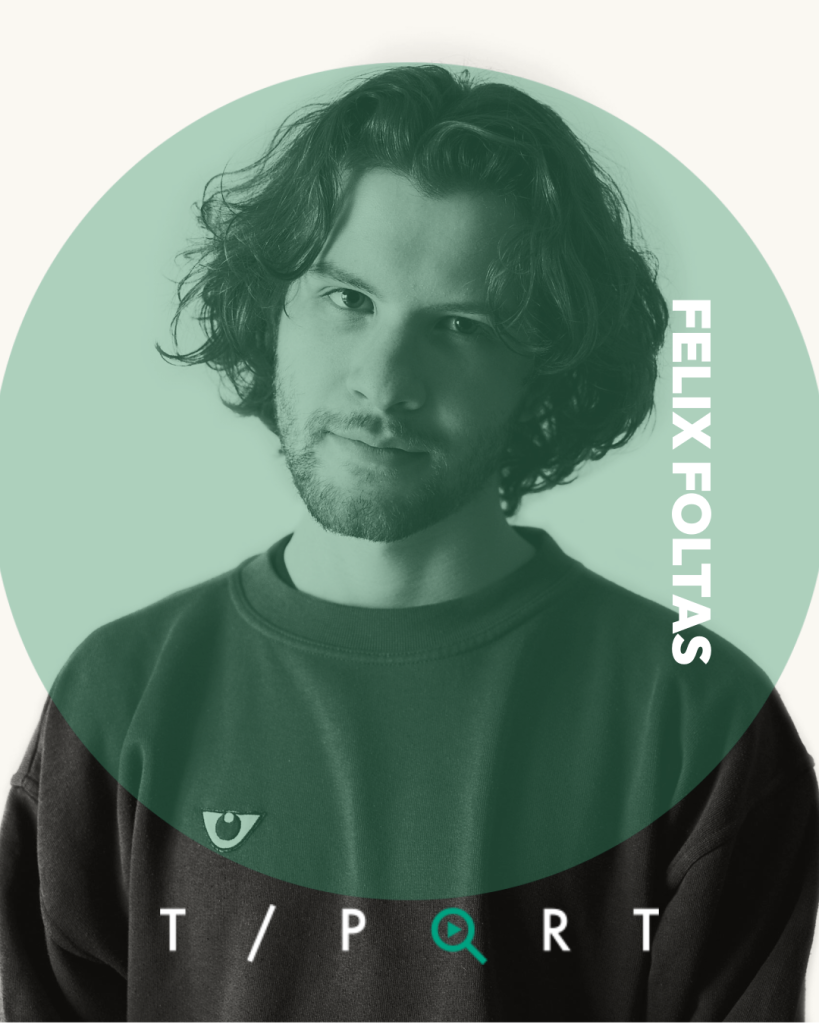
Hi Felix, would you like to introduce yourself?
Hi, I’m Felix Foltas from Vienna, Austria. I’ve been making films with friends since late high school. I’ve worked on films before, but this has been my first proper one, directing it together with Jonas Perkmann, who I’ve been shooting most of my projects with throughout film school.
If you could watch one film on a loop forever, what would it be?
OCEANS ELEVEN
Do you have a philosophy behind your filmmaking?
My philosophy is very simple, obsess over every little detail until somebody calls you insane and then go a bit further.
Where were you when you found out about your nomination for the First Steps Award? How did you react?
I was on the way to the film lab, in disbelief at first and then overjoyed, jumping in the air as we truly did not expect it to happen!
How did it feel to become a part of the First Steps Award, and how has it impacted you as a filmmaker?
Becoming part of the First Steps family has been amazing. It is an honor to be among all of these talented filmmakers. I think the biggest impact on me was getting to know more about the filmmakers behind the projects and seeing their thought process. It was inspiring to see how much those people care about their craft.
Where did the ideas / inspiration for your film come from?
The inspiration was life itself. Everybody knows the moment when you try to plug in a USB stick and it just will not go in unless you try more than three times, which makes no sense whatsoever statistically.
Tell us about the visual choices in your film. What were your main goals and techniques in creating the visual style of your film?
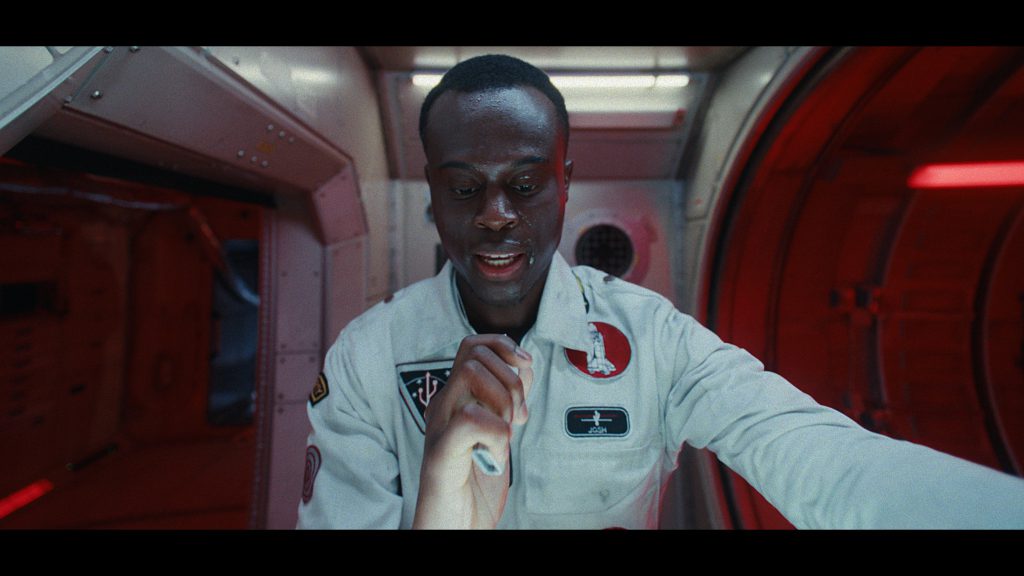
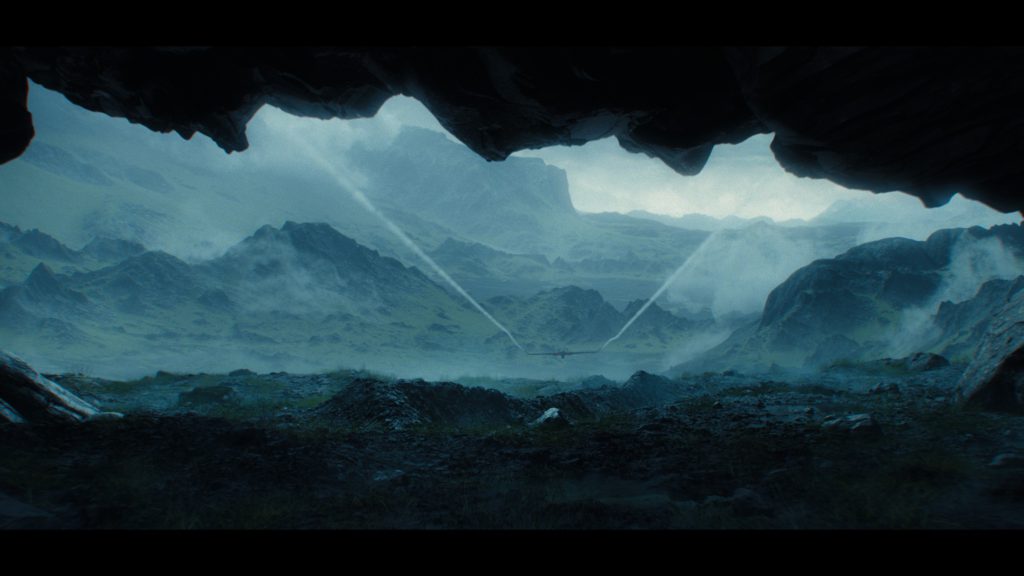
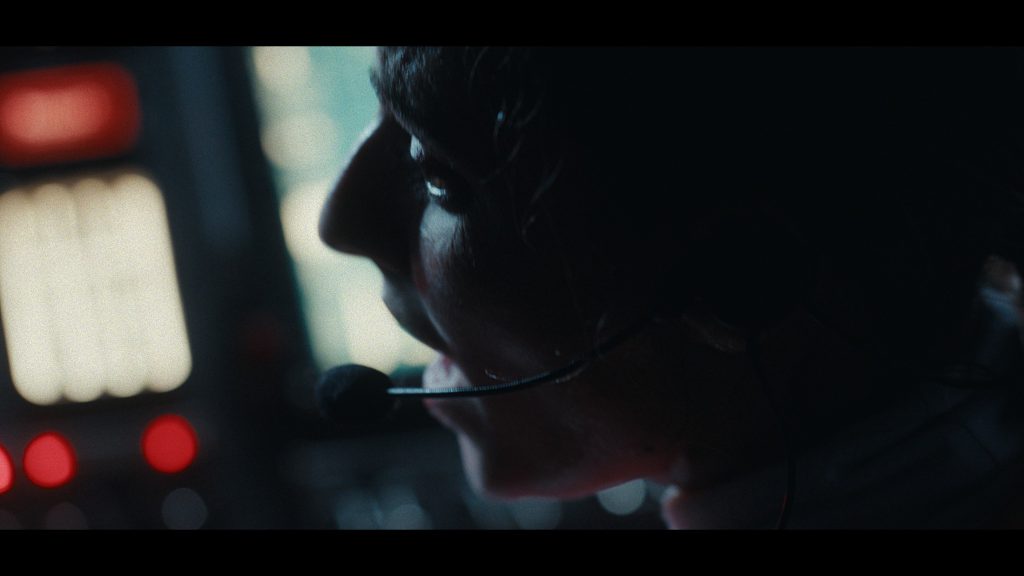
The main goal with the visuals was to make them feel real, to make you feel the stakes, and to forget that you are even watching an absurd world, but rather watching real people fighting to save their aircraft.
The choice to go with a wider 2.1:1 aspect ratio was one of the decisions that I think made a big difference in the tone of the film. Even though some scenes would have loved the breathing room of a 3:2 from a purely visual standpoint, it did not fit the tone of the film.
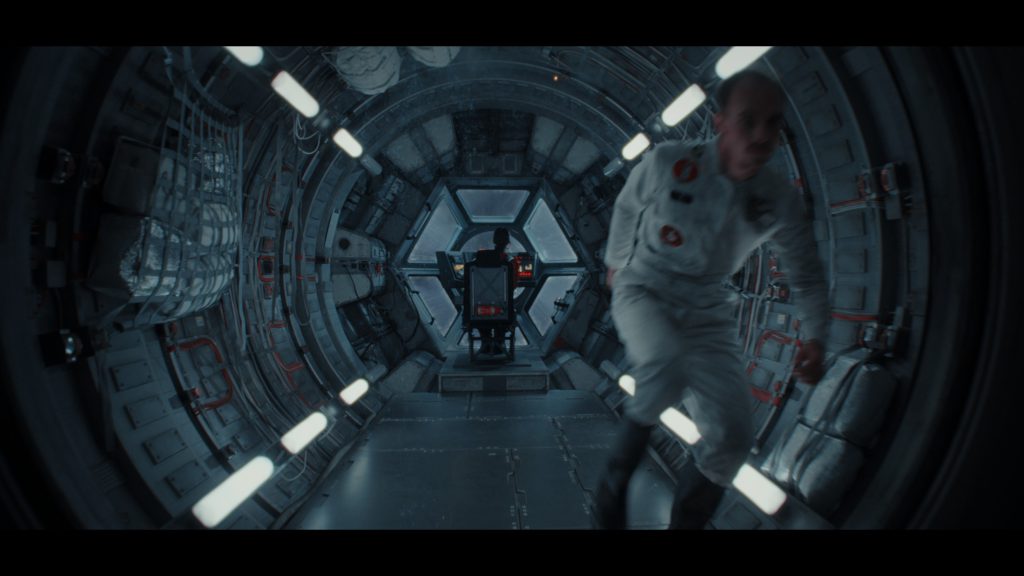
Creating the style was, I think, a find as we go approach. Working with limited resources, you cannot always get what you want. The suits the crew are wearing on the ship are a perfect example of that. We would have loved to have full spacesuits, but they were too expensive and far out of our reach. But with some weathering, some custom patches, and the right accessories, our costume designer Stephanie Edelhofer created a gritty batch of overalls that feel at home on the set.
As for the techniques we used, the main thing was keeping it grounded, not over lit, trying to do the most with very few sources. That, I think, gave us the groundedness we were seeking in reality.
How did you embark upon the production process for your film? Did you enjoy it?
The concept phase was very extensive and took place over the course of a year. From the moment we decided to go shoot it until the shoot itself, it was three months of daily organizing everything, calling for locations, crew, and set design pieces.
Jonas and I literally locked ourselves in a house in the countryside of Austria for three months: writing, planning, organizing, and at night going to the wood shop and building set pieces.
Tell us about the sound choices in your film
Music and sound choices in the film were primarily driven by the two parts of the story. In the first half we embraced every sci fi trope we could, down to the score, referencing a bit of Tron: Legacy. As we switch over to the second half, the tone of the film shifts and so does the music, with a lot of inspiration taken from 80s music as well as videogame sounds.
It all becomes a catchy track that you want to hear more of. A special thank you to the composers Bernhard Pausch and Sebastian Schütze, along with the vocal artist Finja Messer, who created an original 80s track that is out of this world.
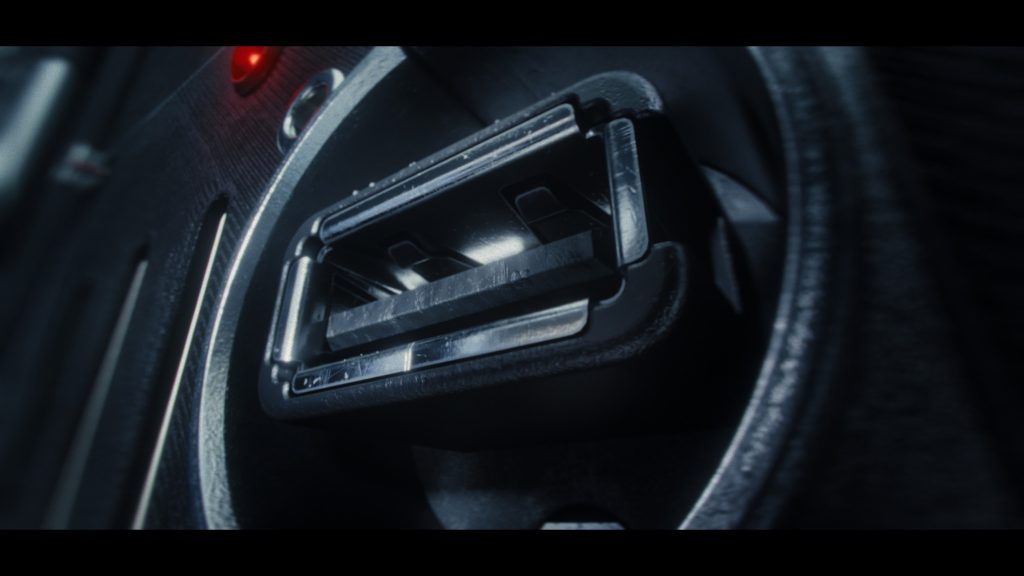
The other very important part for us was getting the haptics of the world right, the engines of the spaceship as well as the sound of the USB port as it moved up and down. It was crucial that those sounds made an impact on the viewer to pull them into the world.
Can you share the most important lessons you learned through the process of making the film?
Let people add to your Vision but stay true to its core.
If you could go back in time to pre-production and give yourself one piece of advice, what would it be?
Add another shoot day in the Studio and I’d say to him “don’t worry, it will all be alright”
Is there anything else you would like to mention?
Thank you to the whole team that made this film. And especially to Jonas Perkmann, my co director, who I am so grateful to be on this journey with.
Submit Your Short To T-Port Today
T-Port films are only accessible to professionals, so your premiere status will not be affected.Stake your place in the next generation of filmmakers waiting to be discovered for only 15 Euros / year. Find out more on our website and get started with T-Port today.
Or sign up for our newsletter to get regular updates on the current trends and exciting innovations in the short film universe.