Please read out our FAQ section to find out more.
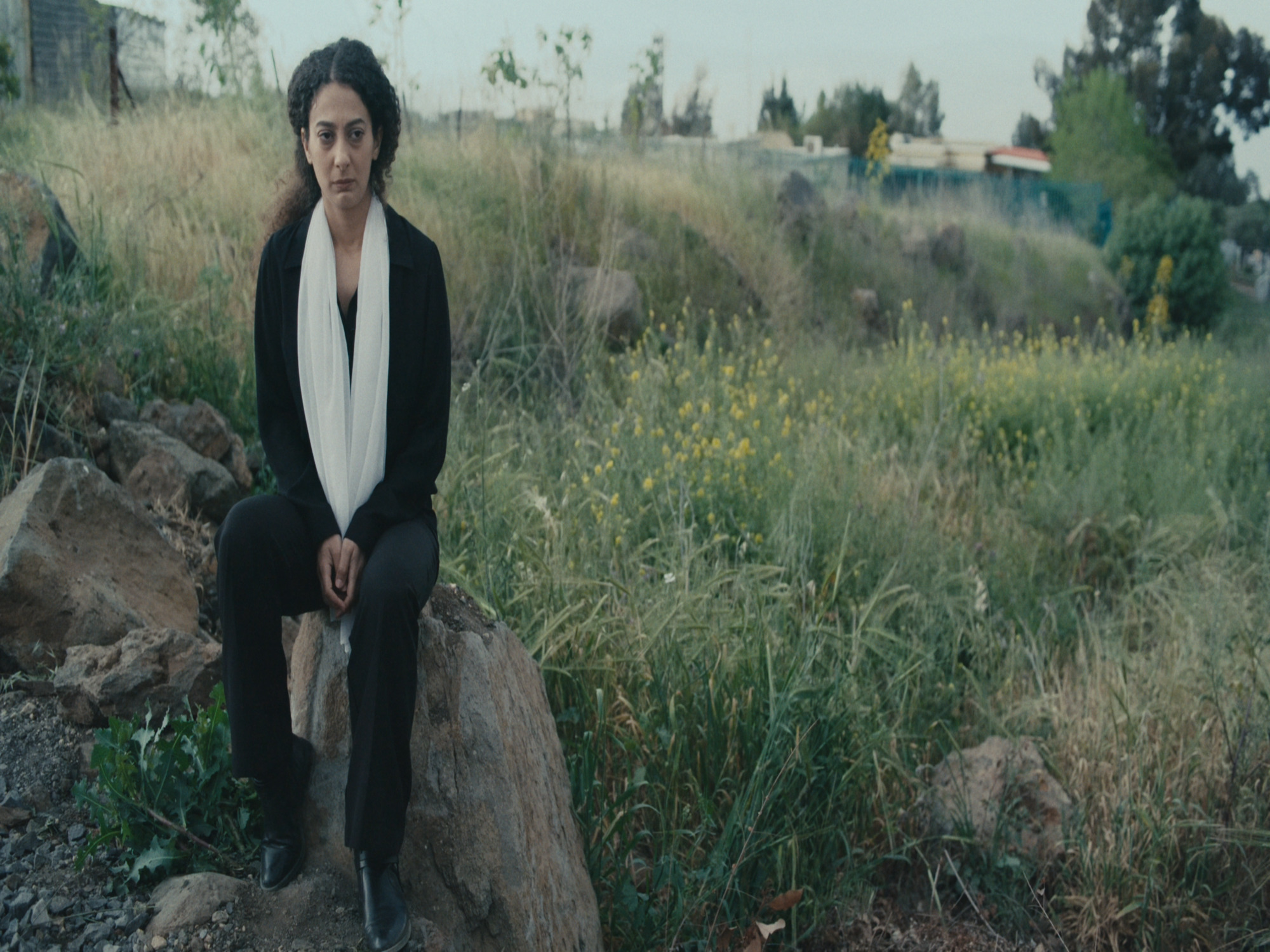

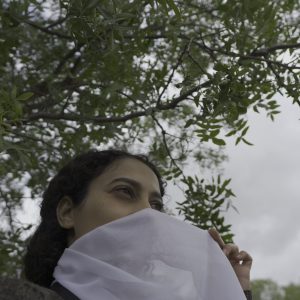
My work is primarily driven by emotion and the inner states of my characters rather than by plot. I’m interested in stretching certain feelings or psychological conditions across the duration of a film, allowing atmosphere and performance to carry the narrative. As a highly visual filmmaker, I approach the camera as an expressive presence, using composition and movement to reflect the characters’ internal worlds and emotional landscapes.
Country: Israel
T-Port Partner: TalentBridge – Cannes 2026
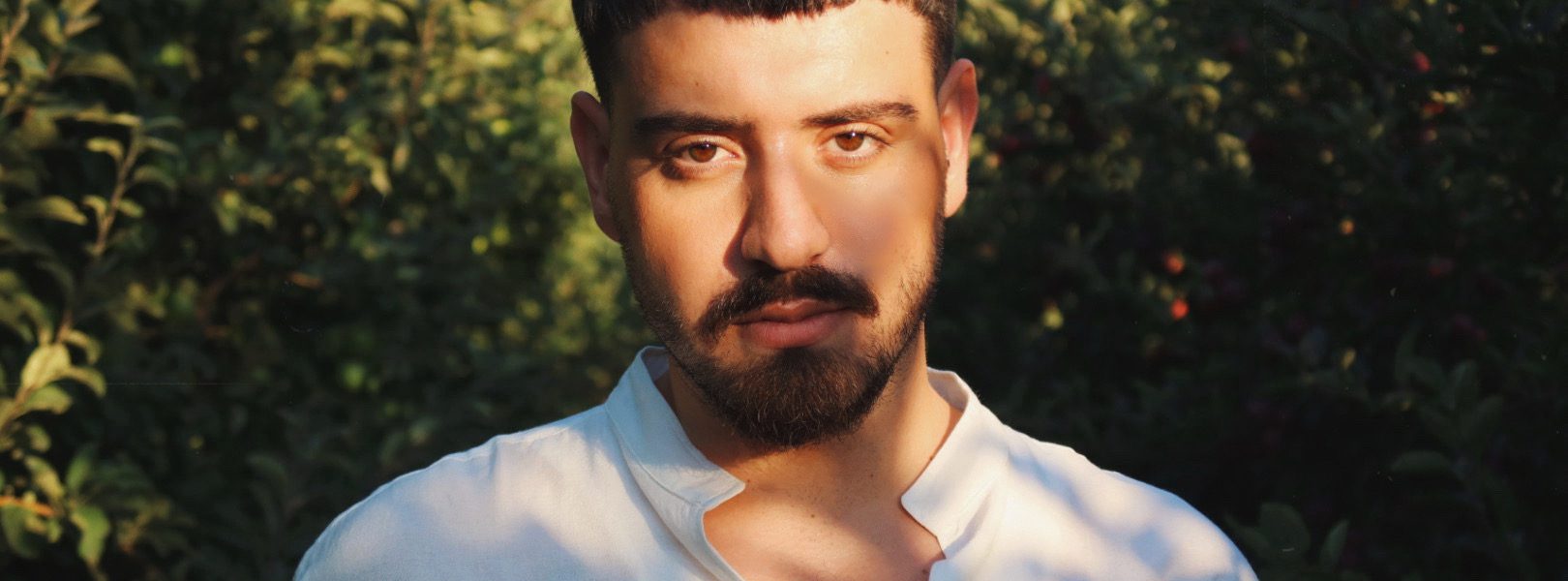
Bilal Safadi (1997) is a filmmaker from Majdal Shams in the occupied Golan Heights. He was born in Damascus to a Syrian mother from Sweida and a father from the occupied Golan Heights. He graduated from the Film & Television Department at Tel Aviv University and holds a professional diploma in photography from the Technion. His work draws on personal memory and lived experience, shaped through restrained narratives and an emotionally charged visual language. He has worked across directing, cinematography, editing, art direction, and sound, contributing to numerous student films and documentary projects, including works broadcast on Al Jazeera. Alongside his film work, he has experience as a theatre performer in productions staged across Israeli & Palestinian cities. In 2026, he was selected for the T-Port Talent Bridge at the Cannes Film Festival, where he began developing his debut feature, Far' Falastin (235). The project was subsequently selected for the Doha Film Institute Feature Script Lab 2026 and the Film Talent Academy First Feature Lab at the Linz International Short Film Festival 2026.
From the Israeli-occupied Golan Heights, Laila sets out to cross the border into Syria to...